

The Future of Food in Vietnam Is About More Than What's on the Plate
What Marriott International's Future of Food 2027 reveals about culinary heritage, changing hospitality, and the people shaping what comes next.
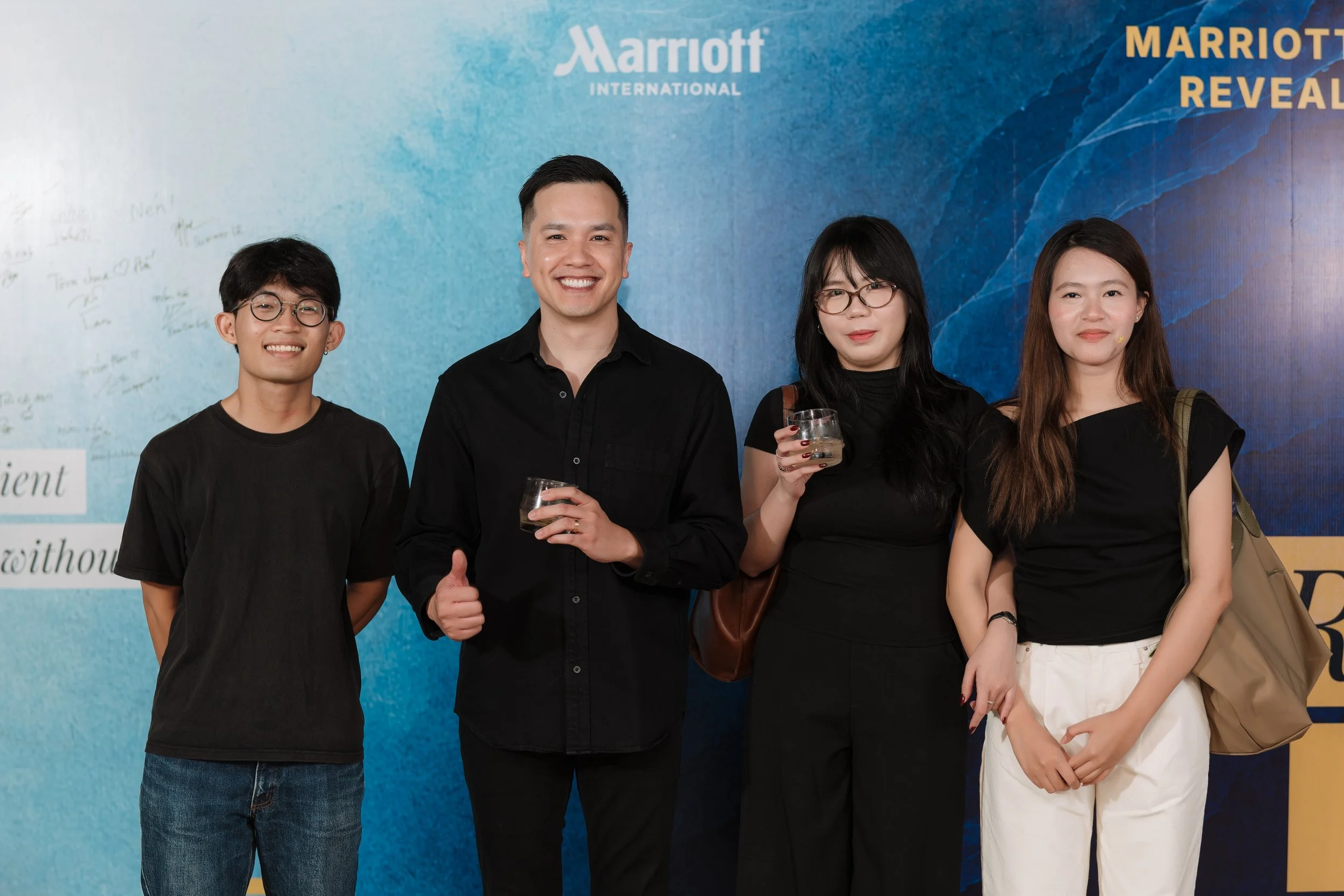
The People Behind Third Culture Vietnam
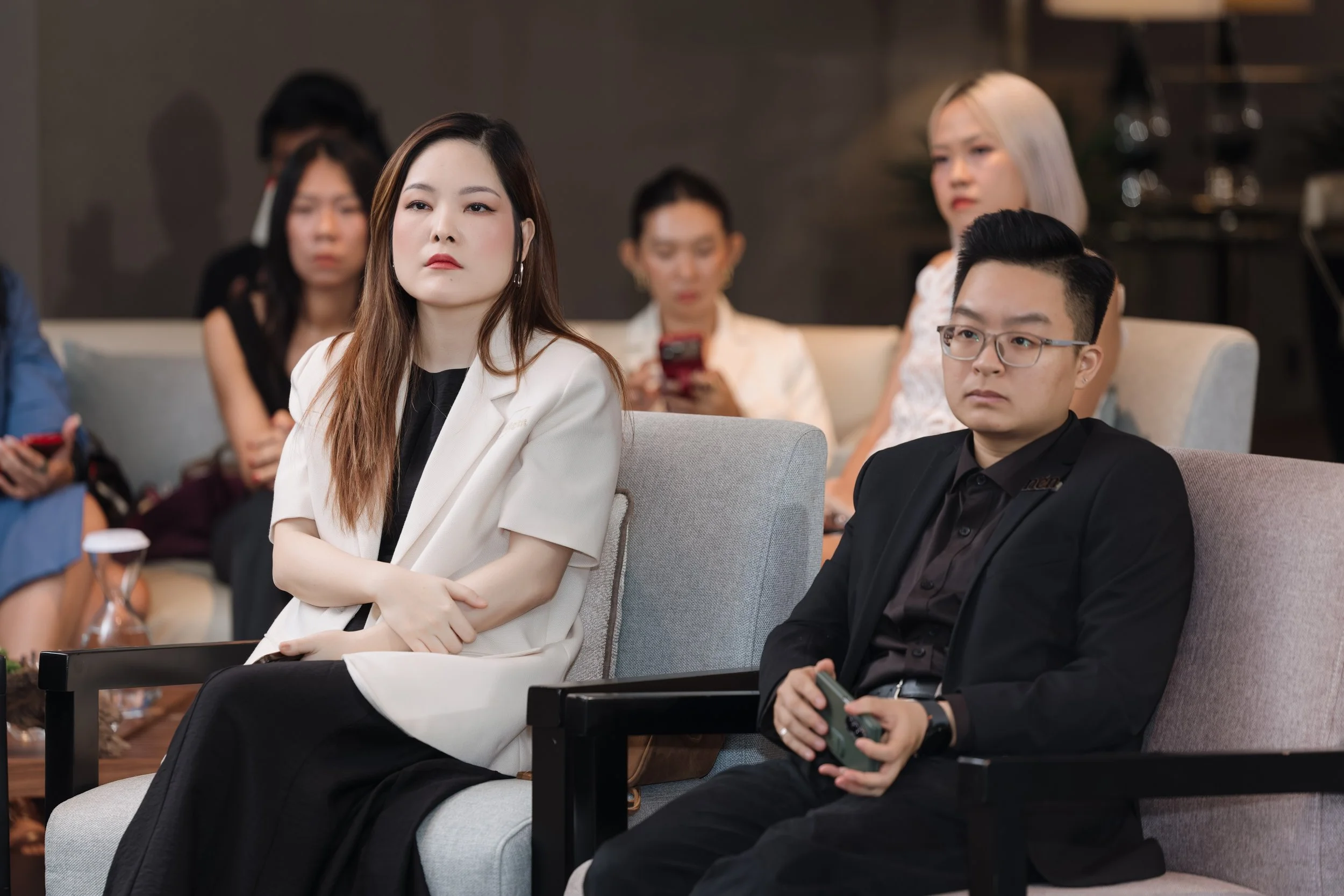
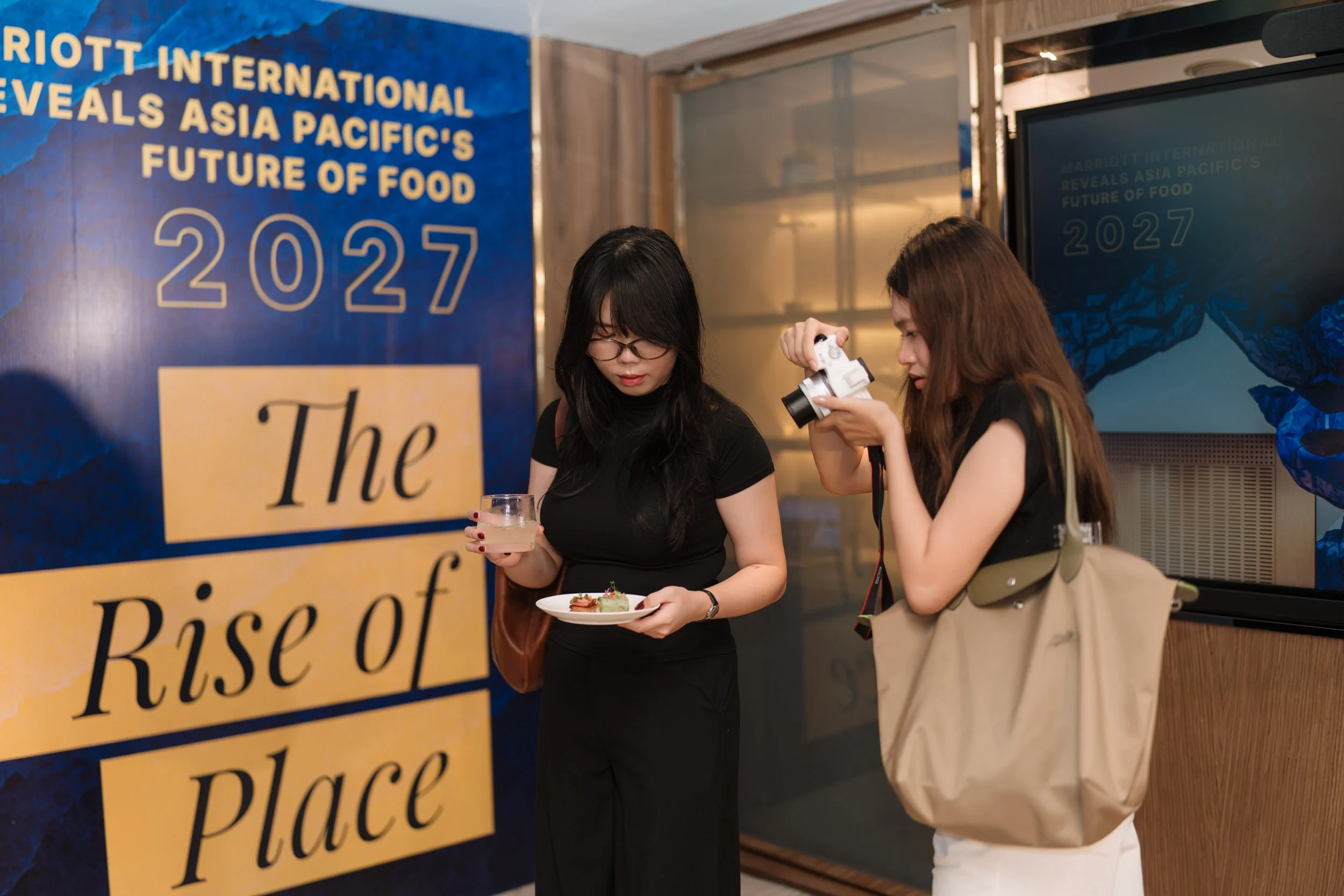
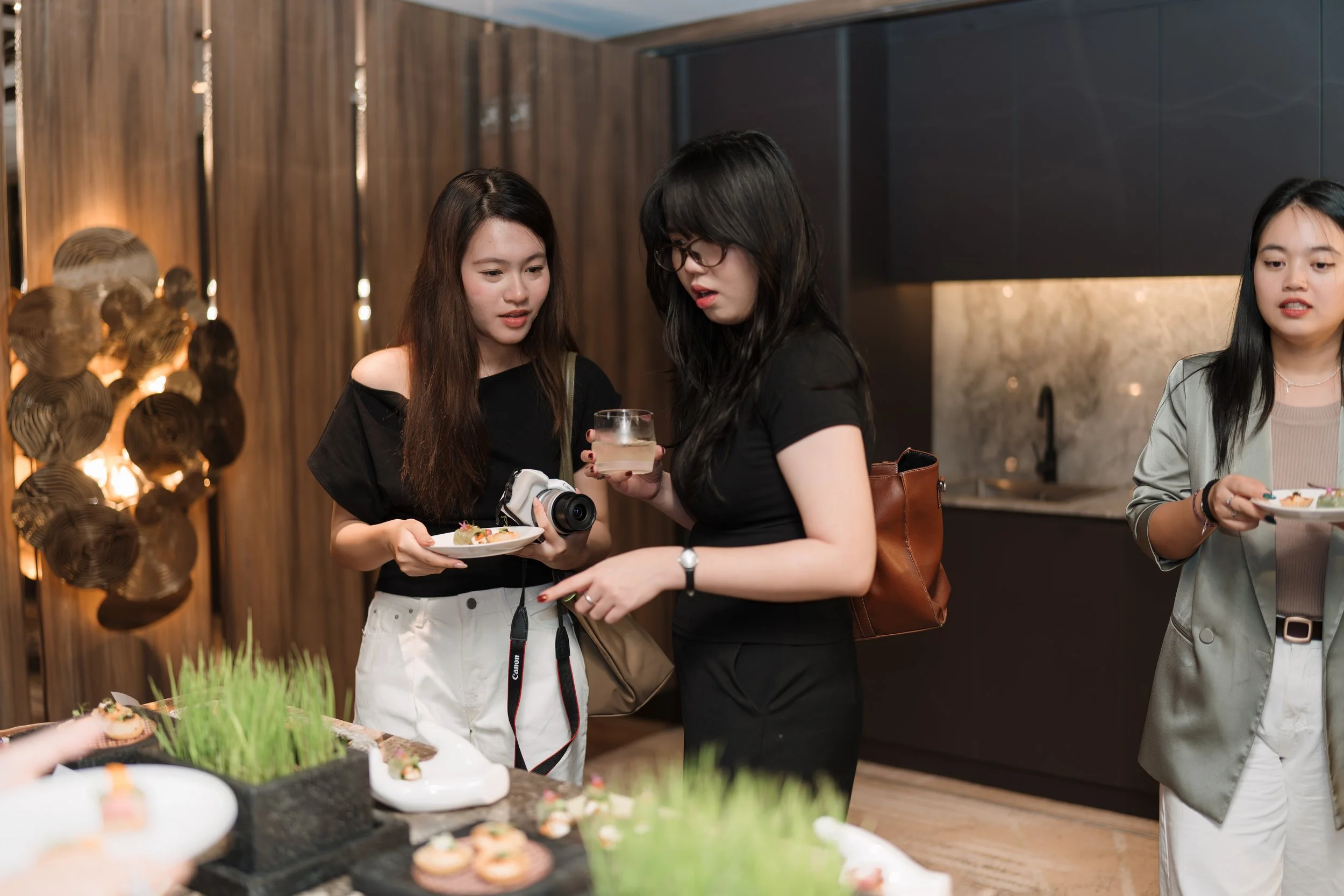
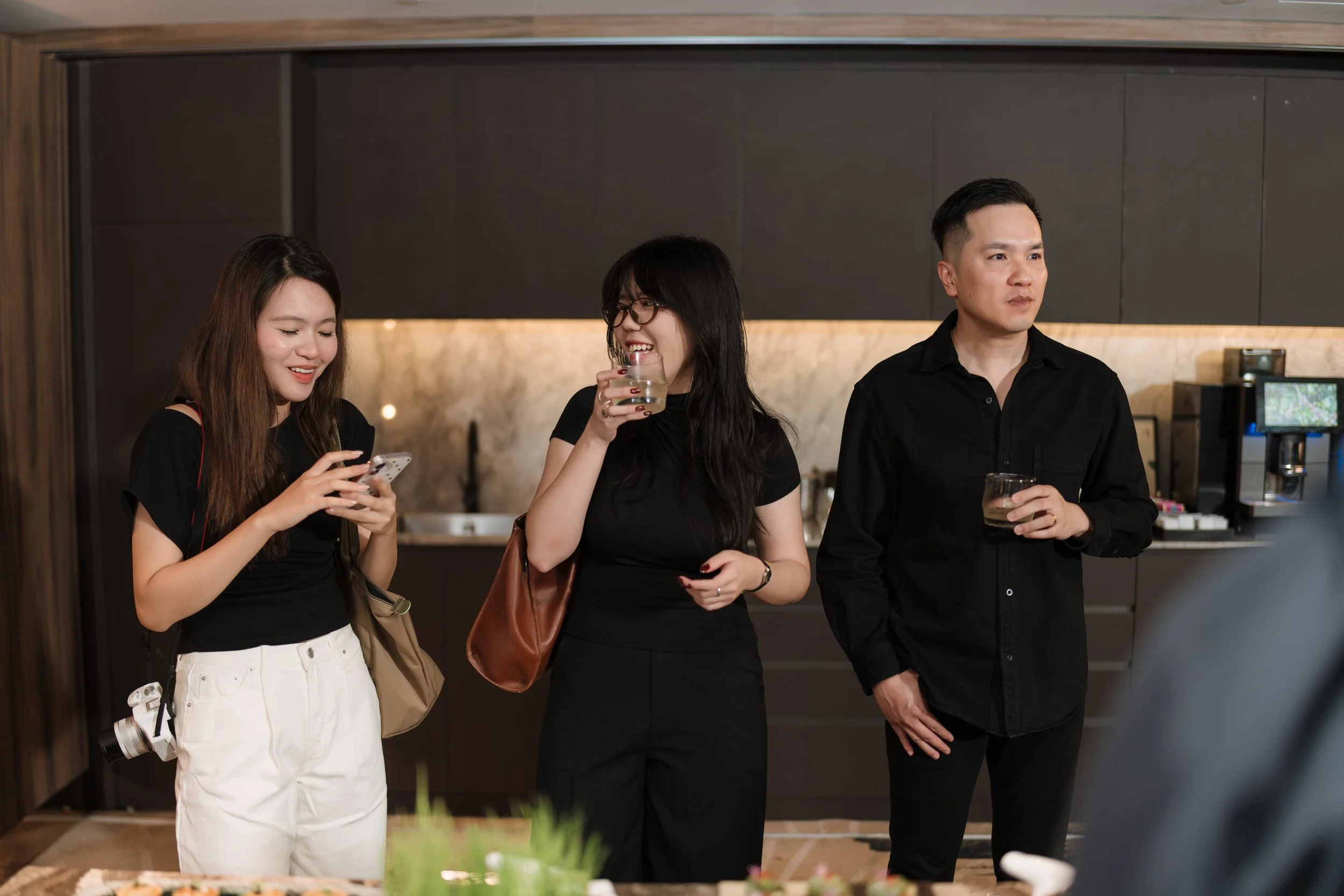
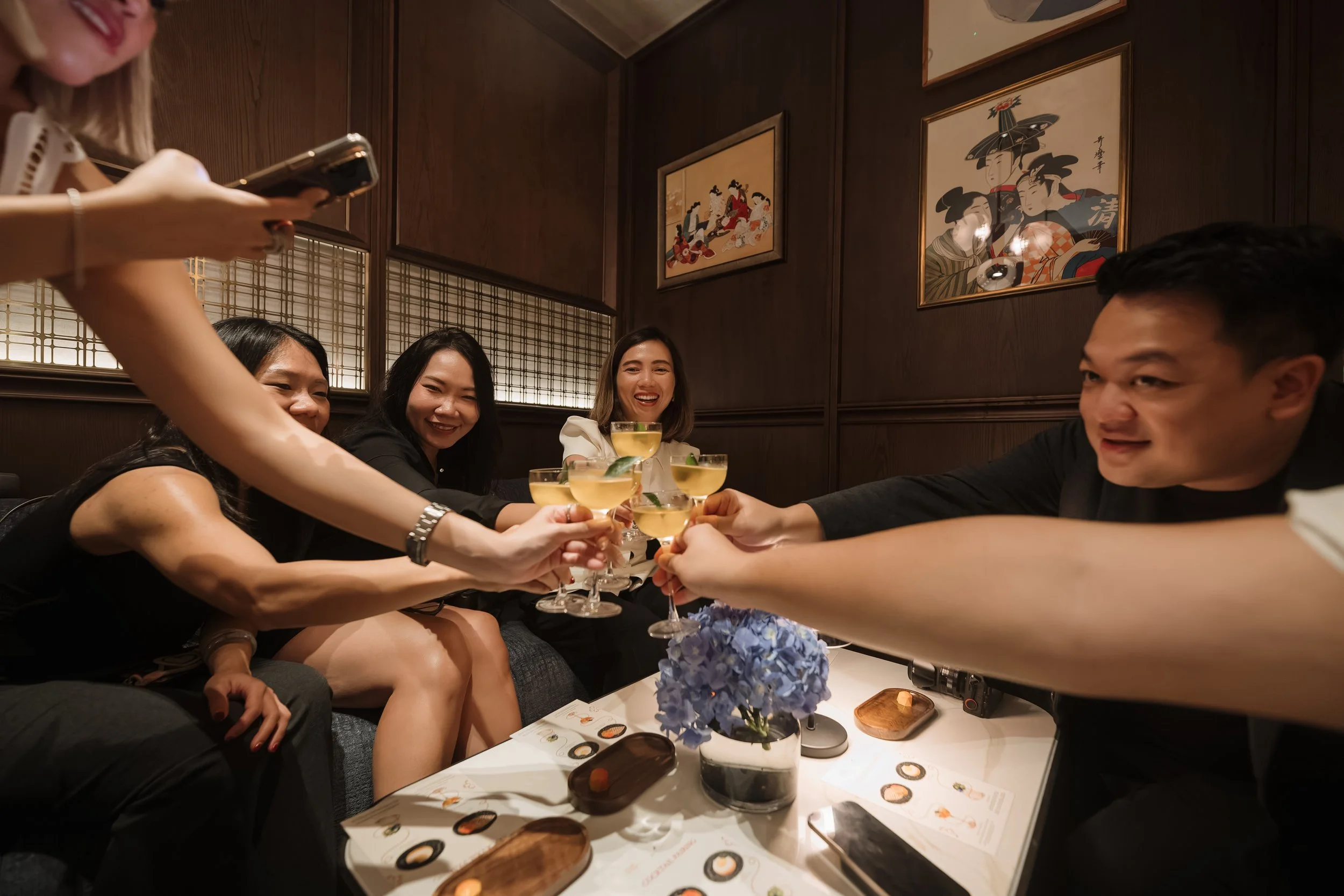
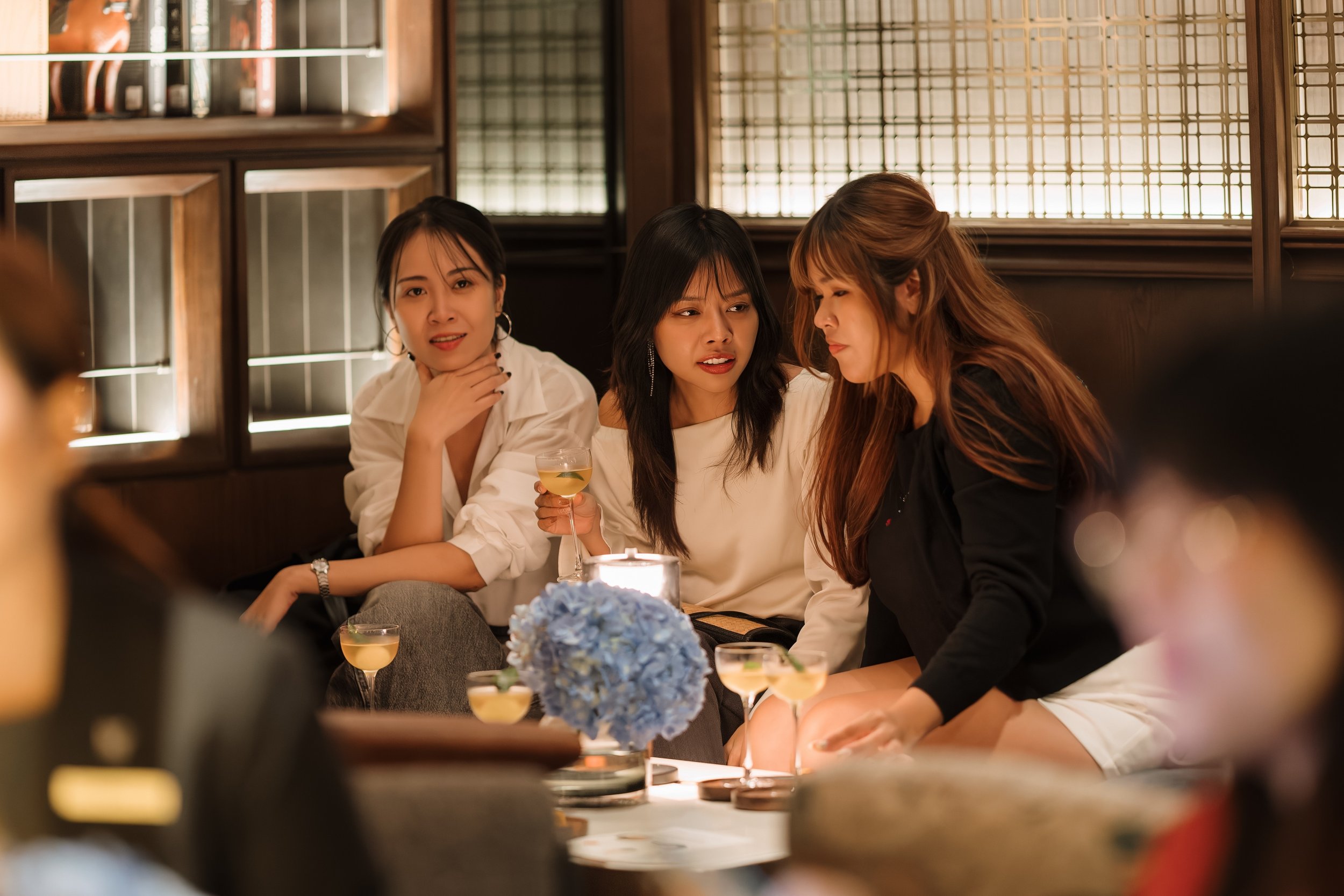
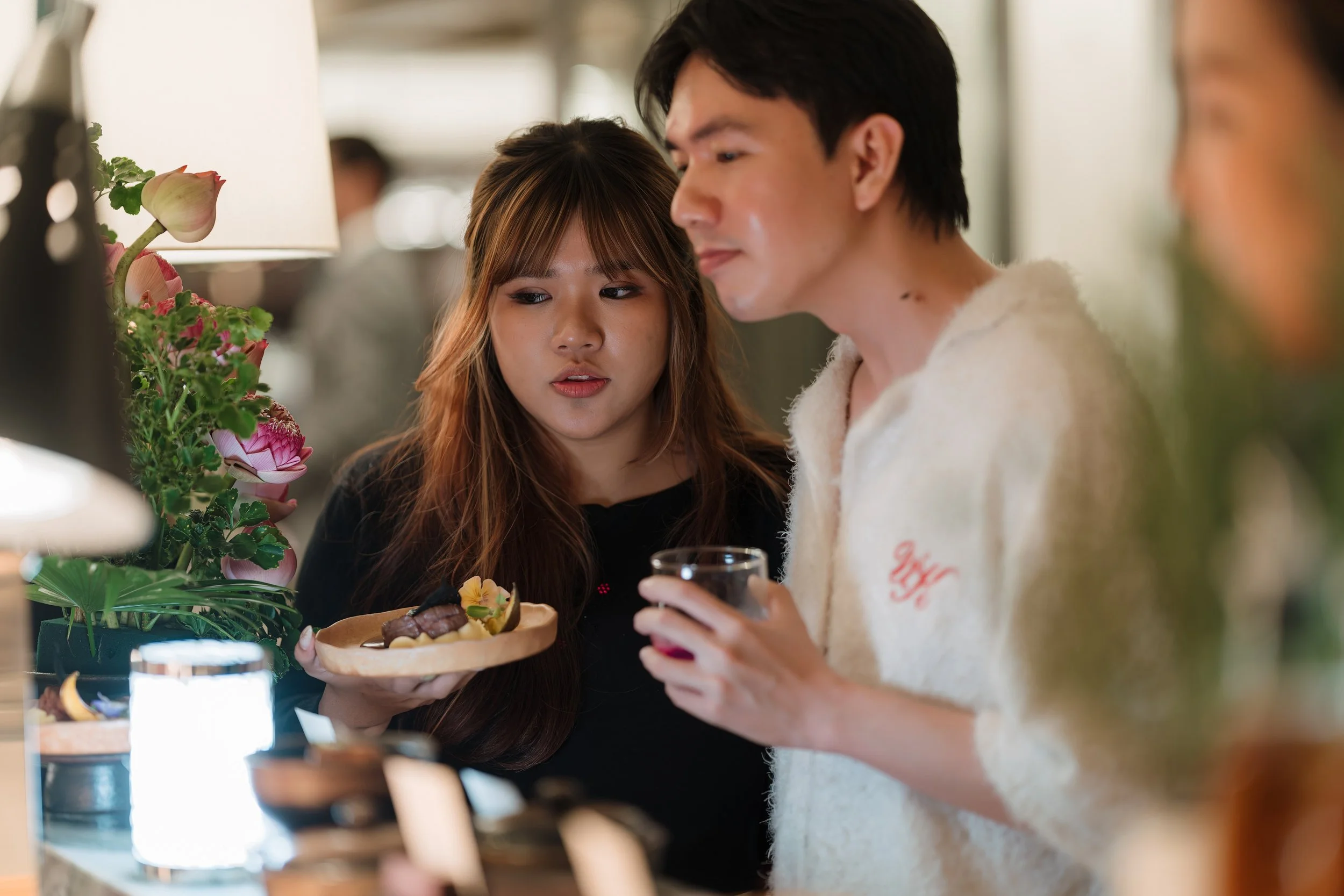
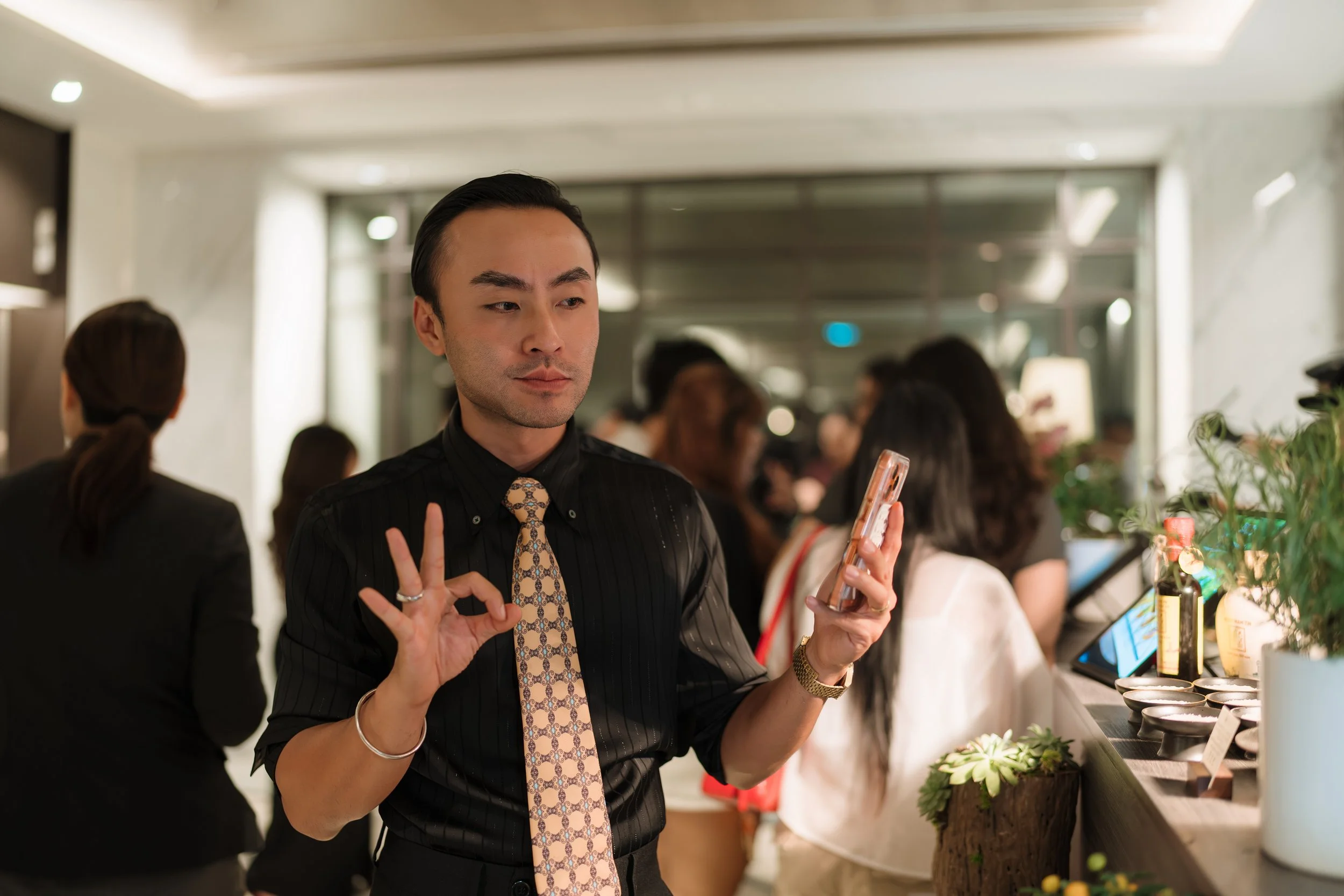
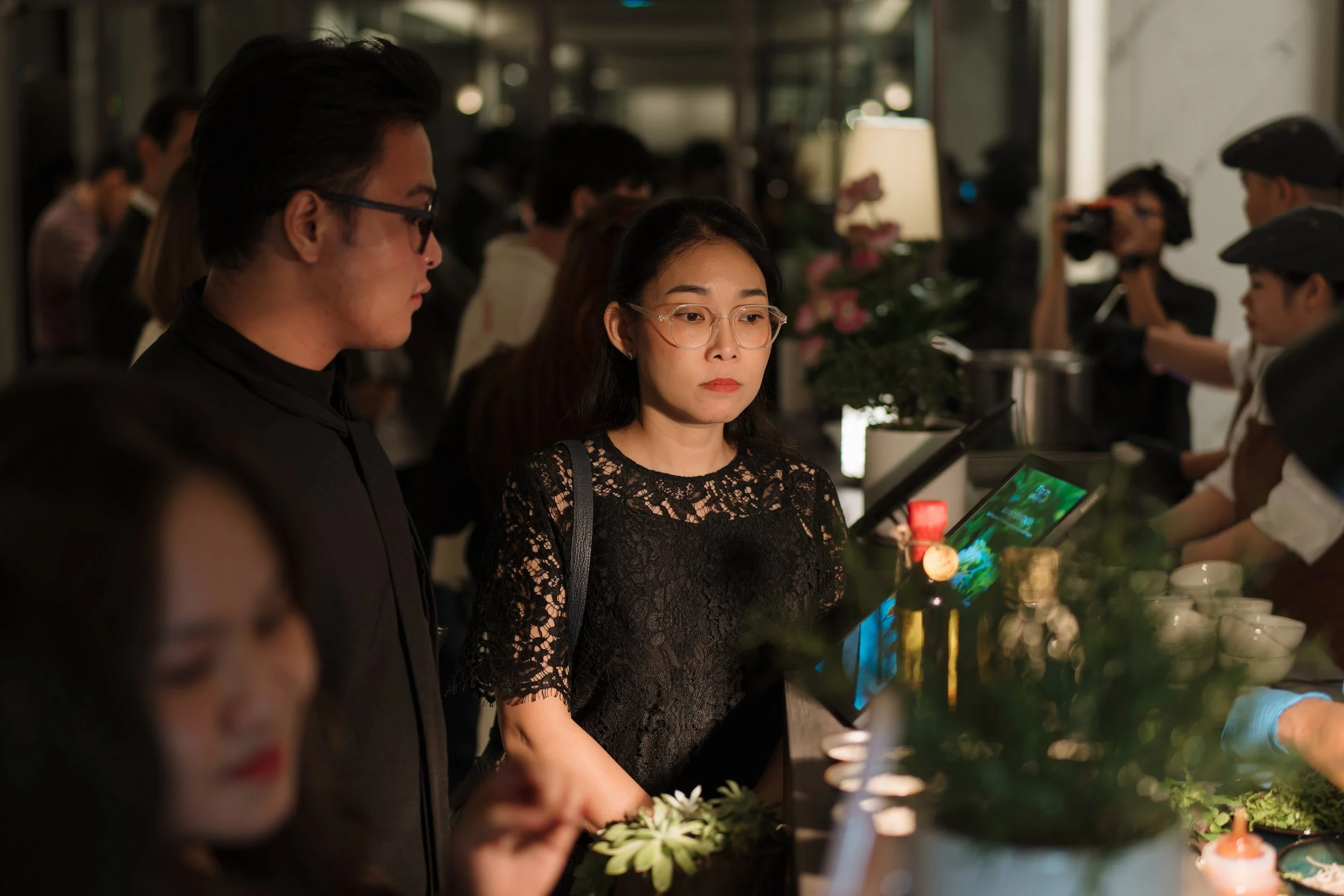
Our team at Marriott International’s Future of Food 2027 event. For our young team of Vietnamese creatives, this was more than an invitation to attend. It was an opportunity to listen, learn from people shaping the future of hospitality, and bring new perspectives back to the community we continue to build.
An Invitation to Learn
There is something meaningful about being invited into a room where people are discussing the future of an industry. Especially when you are still young, still learning, and beginning to understand where your own work might fit into a much larger conversation.
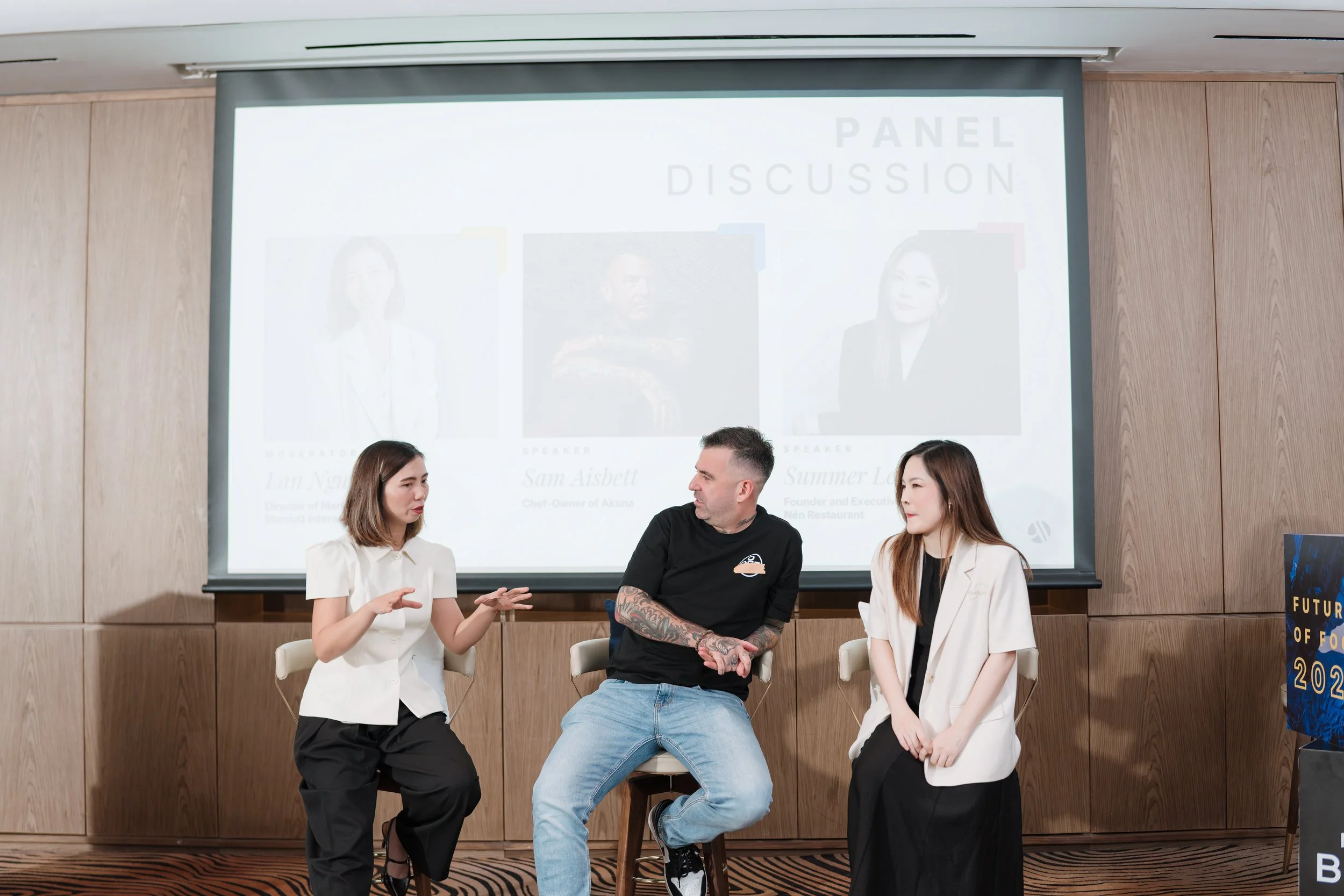
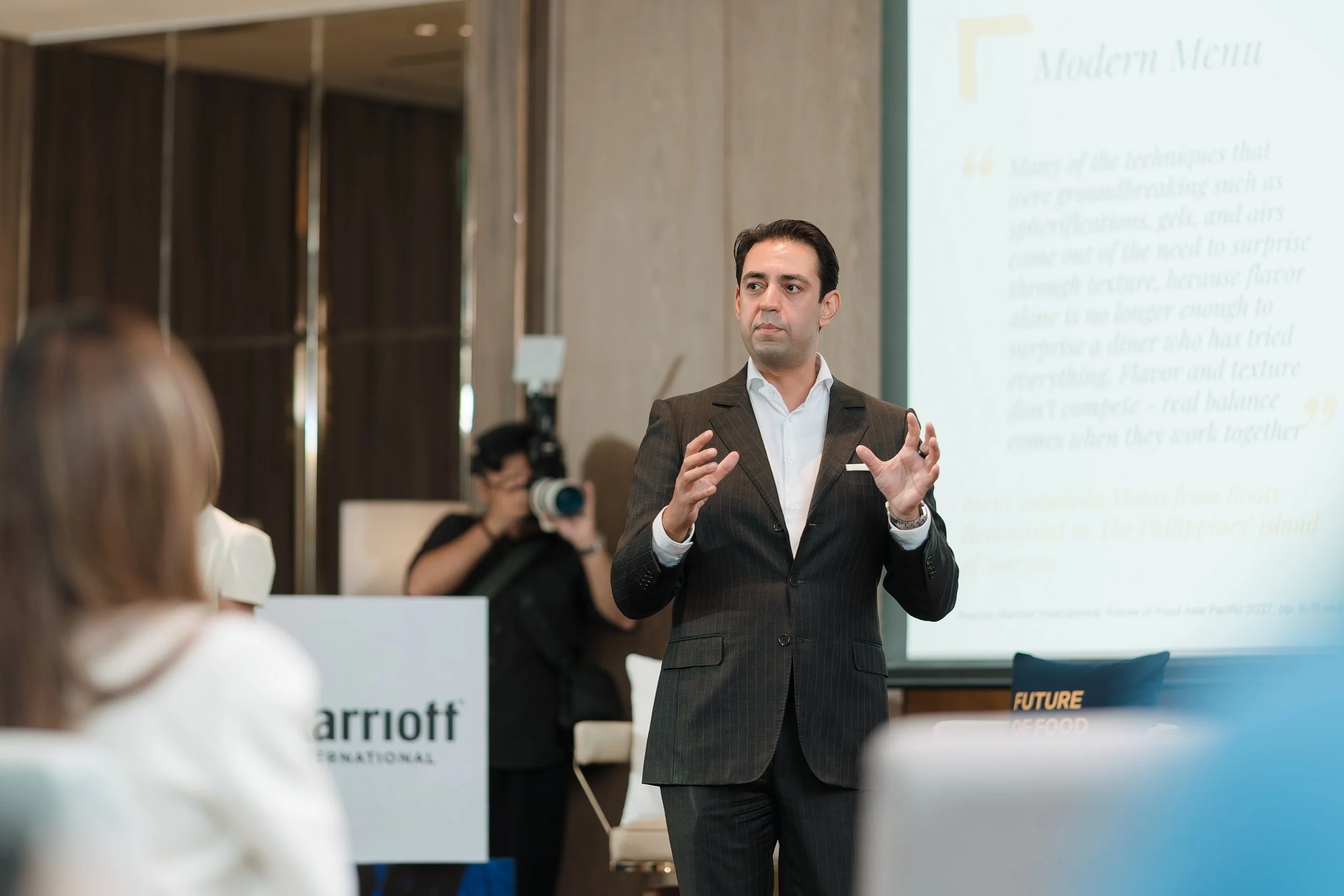
For our team at Third Culture Vietnam, an invitation from Ivy + Partner to attend Marriott International's Future of Food 2027 event at JW Marriott Hotel & Suites Saigon represented an opportunity to step outside our familiar creative environment and encounter different ways of thinking about food, hospitality, and culture.
We are not chefs, culinary historians, or hospitality experts. We are a team of Vietnamese creatives interested in how stories shape the way people understand Vietnam. Much of our work begins with conversations about identity, traditions, family, and the communities that give places their meaning.
Food has always been part of those conversations.
It appears in the dishes our families prepare, the restaurants that become gathering places, and the everyday rituals we rarely think to document. For Vietnamese people living overseas, it can also become one of the most immediate connections to a country they may know through memory, family stories, or occasional visits.
Attending an event about the future of food encouraged us to consider a broader question: When an industry talks about progress, what exactly is it moving toward, and what should it be careful not to leave behind?
Marriott International's Future of Food 2027 report offers one perspective on that question. Published on October 6, 2026, the report examines hospitality trends across Asia Pacific excluding China, drawing on insights from Marriott properties and industry professionals. Its central theme, The Rise of Place, explores growing interest in local cuisine, more social dining environments, and experiences connected to the character of a destination.
Source: Marriott International, Future of Food 2027: The Rise of Place, press release, October 6, 2026.
These findings are particularly interesting when considered alongside Vietnam's rich culinary traditions and its rapidly changing hospitality landscape.
But for us, the conversation extends beyond restaurants and hotels. It reaches into family kitchens, neighborhood eateries, local markets, and the people whose knowledge continues to shape what Vietnamese food means today.
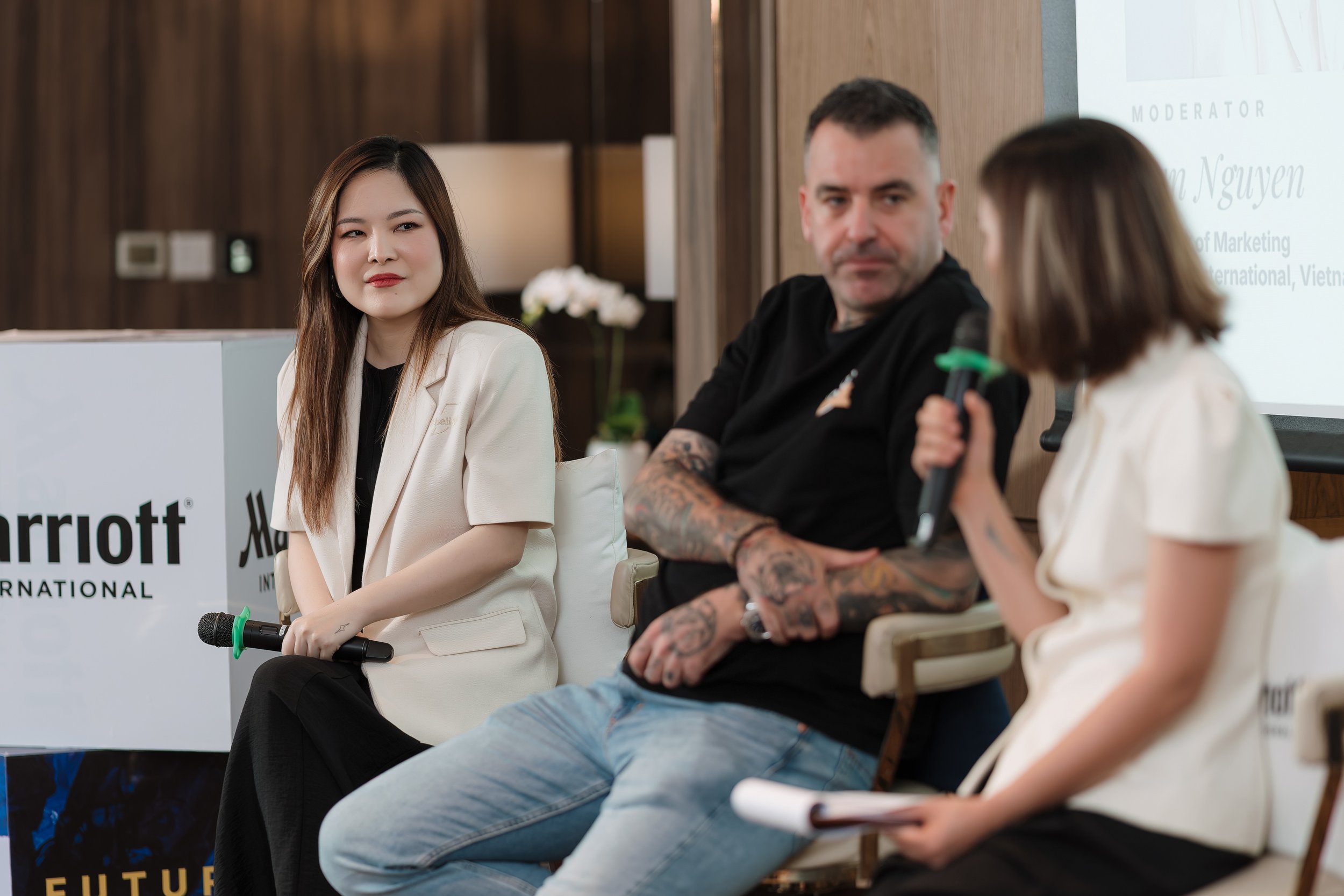
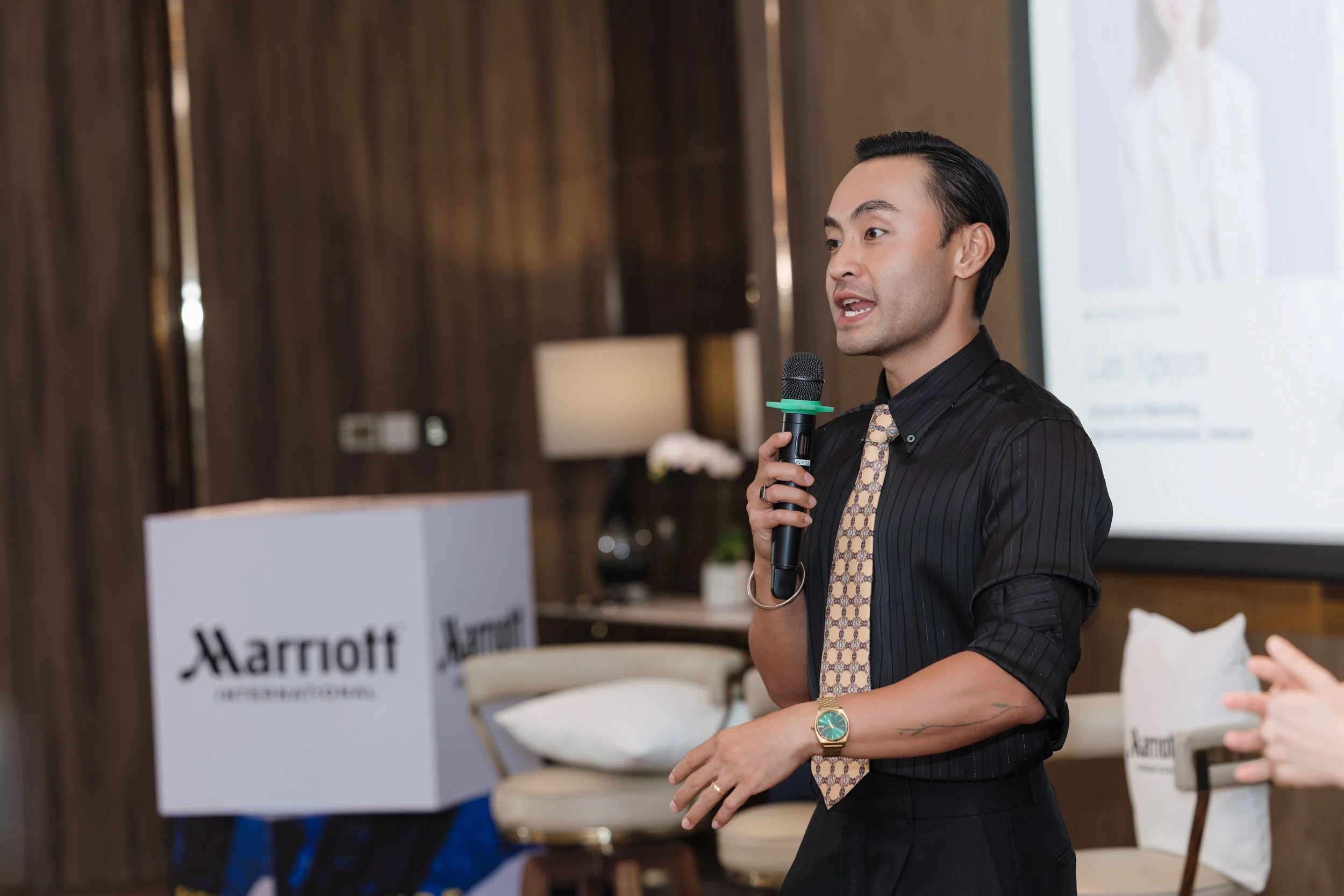
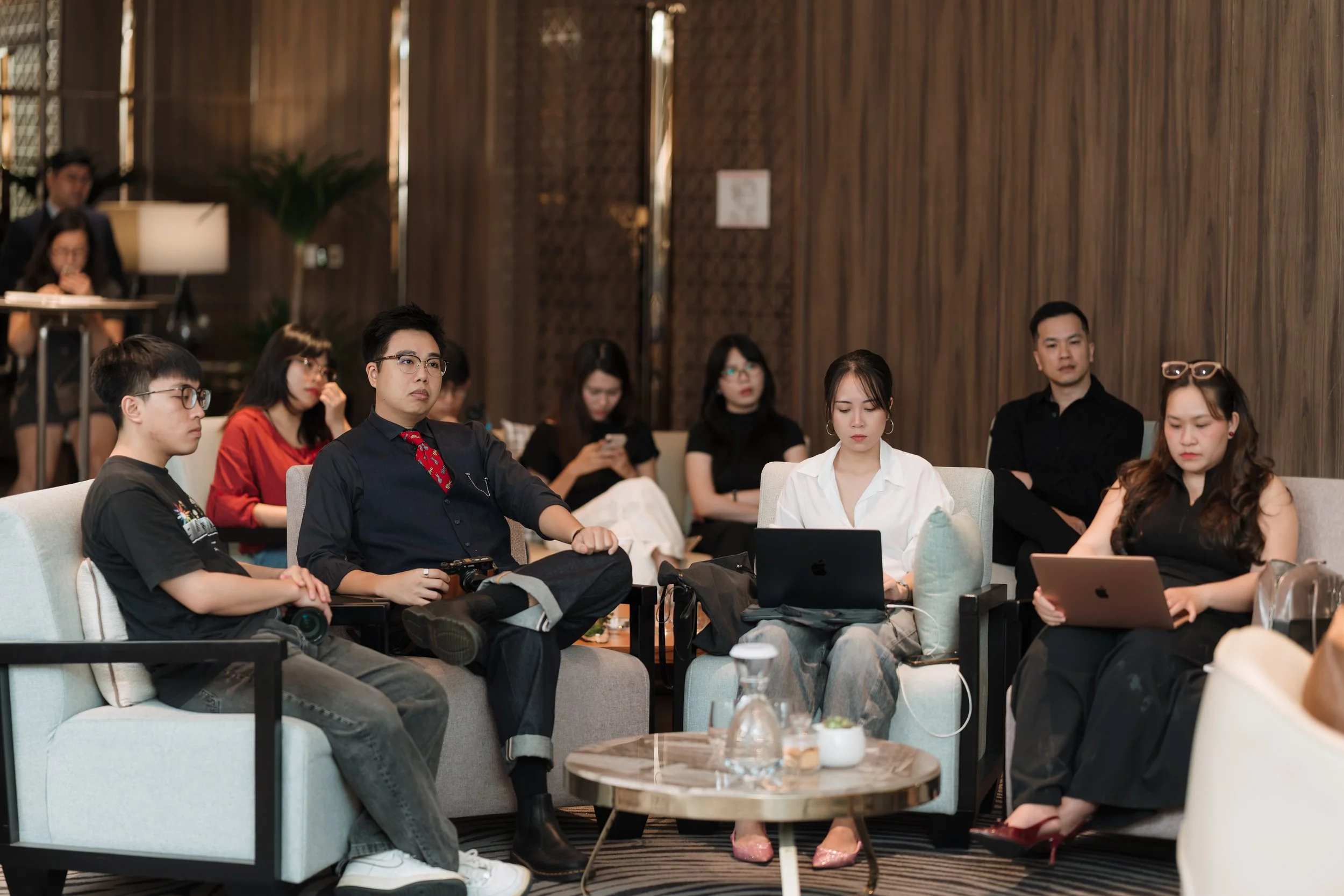

The Future of Food Is Local
Research and industry perspective
One of the central findings of Marriott International's report is the growing importance of local cuisine.
According to the report, 95% of surveyed Marriott International properties across Asia Pacific excluding China identified demand for local signature dishes as a leading trend in their markets. The report also states that four in five surveyed properties had introduced new local ingredients over the preceding year.
These findings come from Marriott International's July 2026 survey of food and beverage teams at 284 properties across 20 Asia Pacific markets.
Source: Marriott International, Future of Food 2027: The Rise of Place, Executive Summary and Chapter Two.
For Vietnam, this raises an interesting opportunity.
Vietnamese cuisine has never been defined by one dish or a single culinary tradition. The herbs, techniques, ingredients, and eating customs found across the country reflect geography, historical exchange, migration, and generations of adaptation.
A bowl of bún bò Huế carries a different regional identity from a plate of cơm tấm in Sài Gòn. Mì Quảng reflects the food traditions of central Vietnam, while canh chua takes many forms across the Mekong Delta and beyond.
Even familiar dishes can vary considerably between households, neighborhoods, and generations.
These differences matter because they remind us that local cuisine is not simply a collection of ingredients that can be added to a menu. It is a form of knowledge developed within communities.
Marriott's research also points toward a growing interest in the stories behind ingredients. Rather than treating local food as an addition to an international dining experience, hospitality professionals are increasingly exploring how regional produce, traditional techniques, and cultural storytelling can shape the experience itself.
For us, this is where the conversation becomes particularly meaningful.
A meal can introduce someone to a region they have never visited. An ingredient can open a conversation about the people who grow it. A familiar dish can become an opportunity to understand why something tastes different from one household to another.
But recognizing the value of local cuisine is only the beginning.
An equally important question is how that value reaches the farmers, producers, cooks, and communities who have maintained these traditions.
Beyond the Plate: Food as Living Heritage
When we talk about preserving Vietnamese heritage, it is easy to think first of historical buildings, traditional clothing, music, or festivals.
Food is sometimes treated differently, perhaps because it is so ordinary. We encounter it every day, often without recognizing how much history exists within the practices of preparing and sharing it.
Yet food is one of the ways culture continues to live.
According to UNESCO's International Food Atlas initiative, foodways encompass the knowledge, skills, and social practices involved in sourcing ingredients, preparing food, and sharing meals. These practices connect communities to their environments, histories, and identities, and are transmitted between generations.
Consider nước mắm.
For many Vietnamese households, it is simply part of everyday cooking. But behind the familiar ingredient are fishing communities, fermentation knowledge, regional production methods, and family businesses that have sustained these practices over generations.
In March 2025, the Associated Press reported on traditional fish sauce producers in Đà Nẵng, including Bùi Văn Phú, whose family has maintained its fish sauce business across four generations.
The reporting examined how climate change, overfishing, and competition from industrial producers have created challenges for traditional fish sauce makers. Rising anchovy costs have made it increasingly difficult for some family businesses to continue operating.
This is an important reminder that preserving culinary heritage involves more than keeping recipes alive.
It also means considering whether the people who maintain those traditions can continue doing so.
The future of Vietnamese food will depend partly on how we respond to questions of sustainability, livelihoods, cultural ownership, and the transmission of knowledge.
Innovation can create new opportunities for traditional producers. It can introduce regional ingredients to wider audiences and encourage younger generations to explore practices they might otherwise overlook.
But visibility alone does not guarantee preservation.
If an ingredient becomes fashionable while the people producing it struggle to survive, we have to ask whether the culture behind it is truly being supported.
A Seat at the Table: Why These Spaces Matter
For our team, attending Marriott International's Future of Food 2027 was about more than learning what might come next in hospitality.
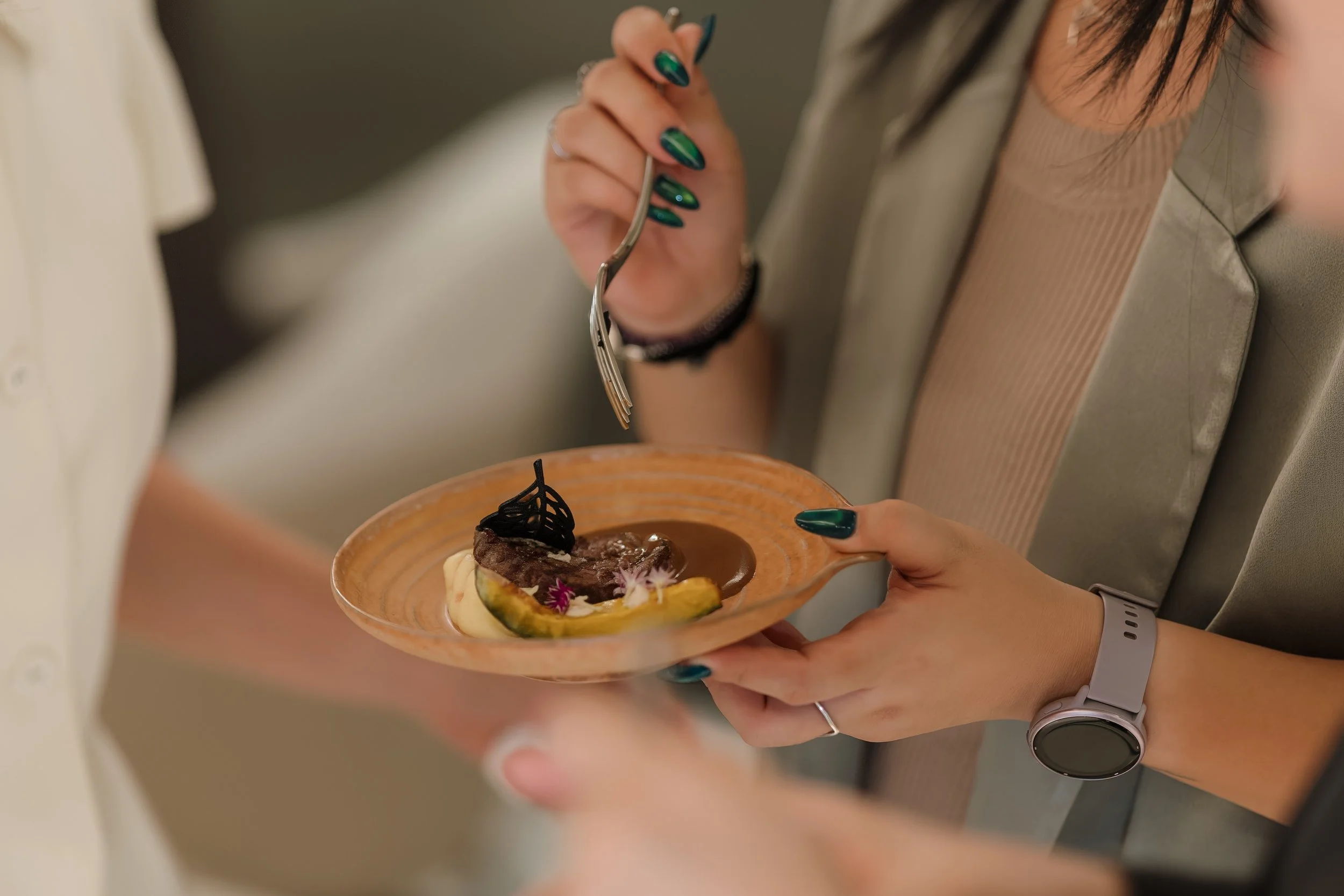
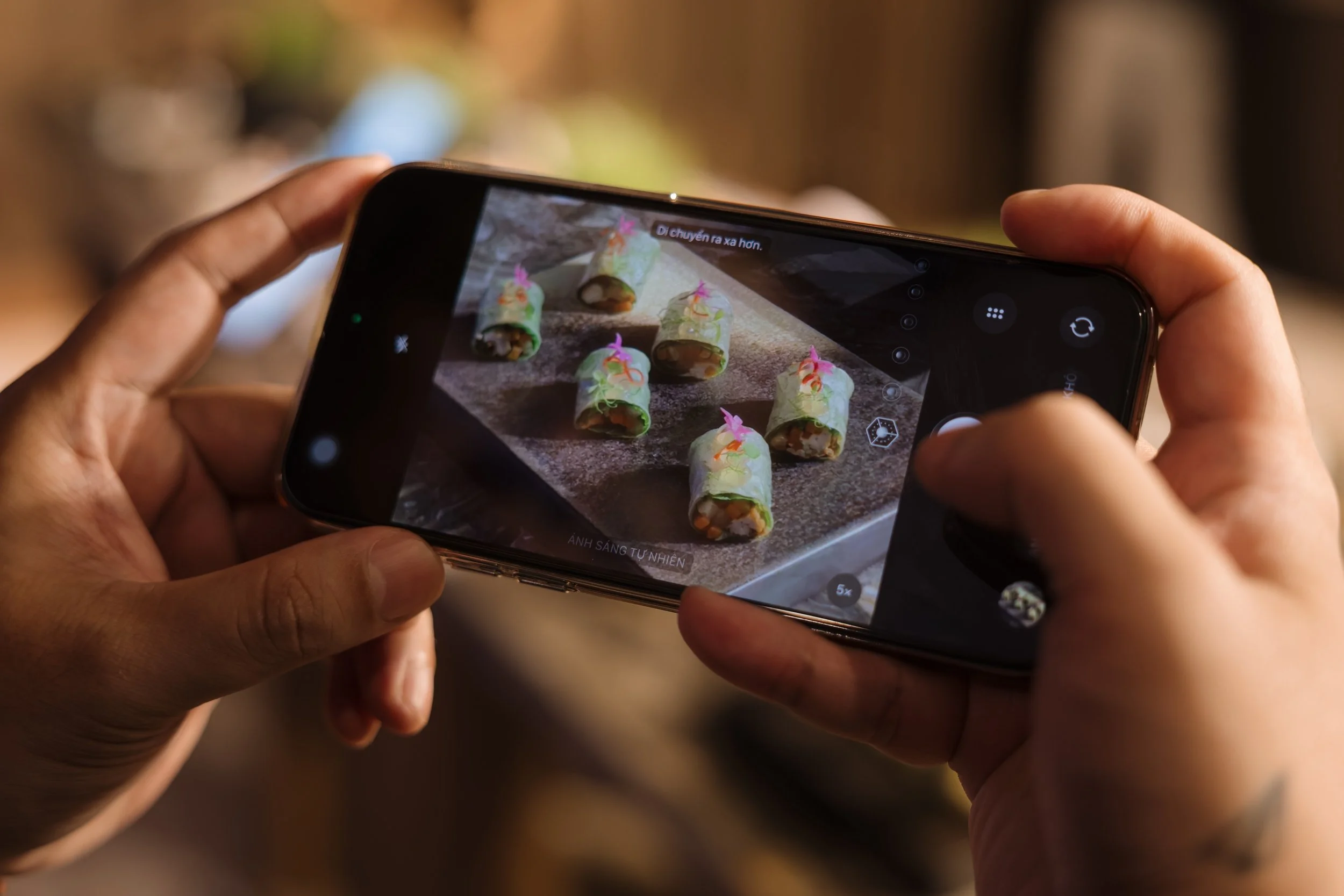
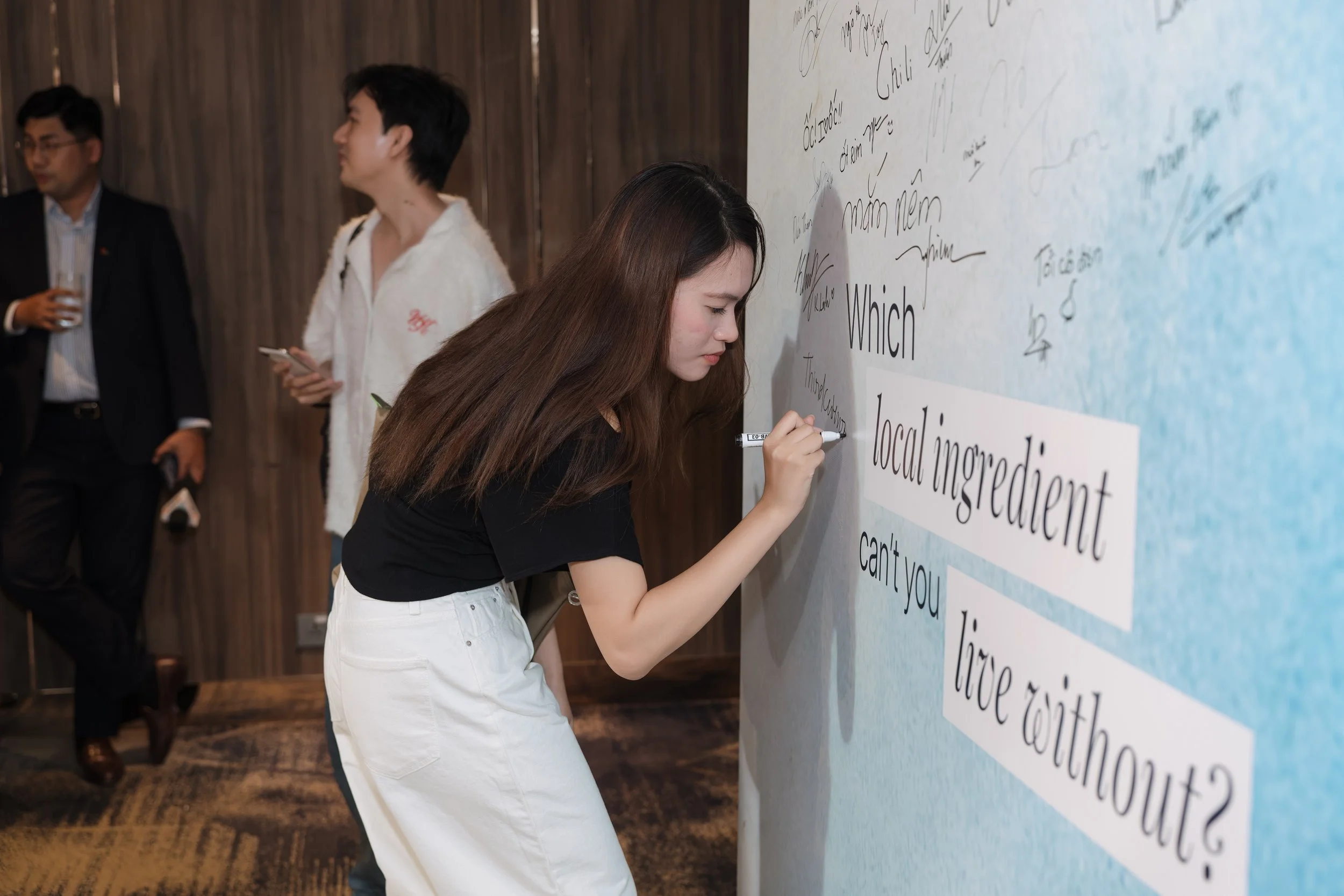
It was an opportunity to listen to people working across the industry, understand different perspectives, and experience an environment that some of our younger team members had never been part of before.
For Nhật Minh, our Marketing Intern and one of the youngest members of Third Culture Vietnam, this was her first experience attending a professional industry event of this kind.
She shared something afterward that reminded us why opportunities like these matter.
"From guest photography and networking to the conference discussions, it felt like stepping into something I had previously only learned about in class."
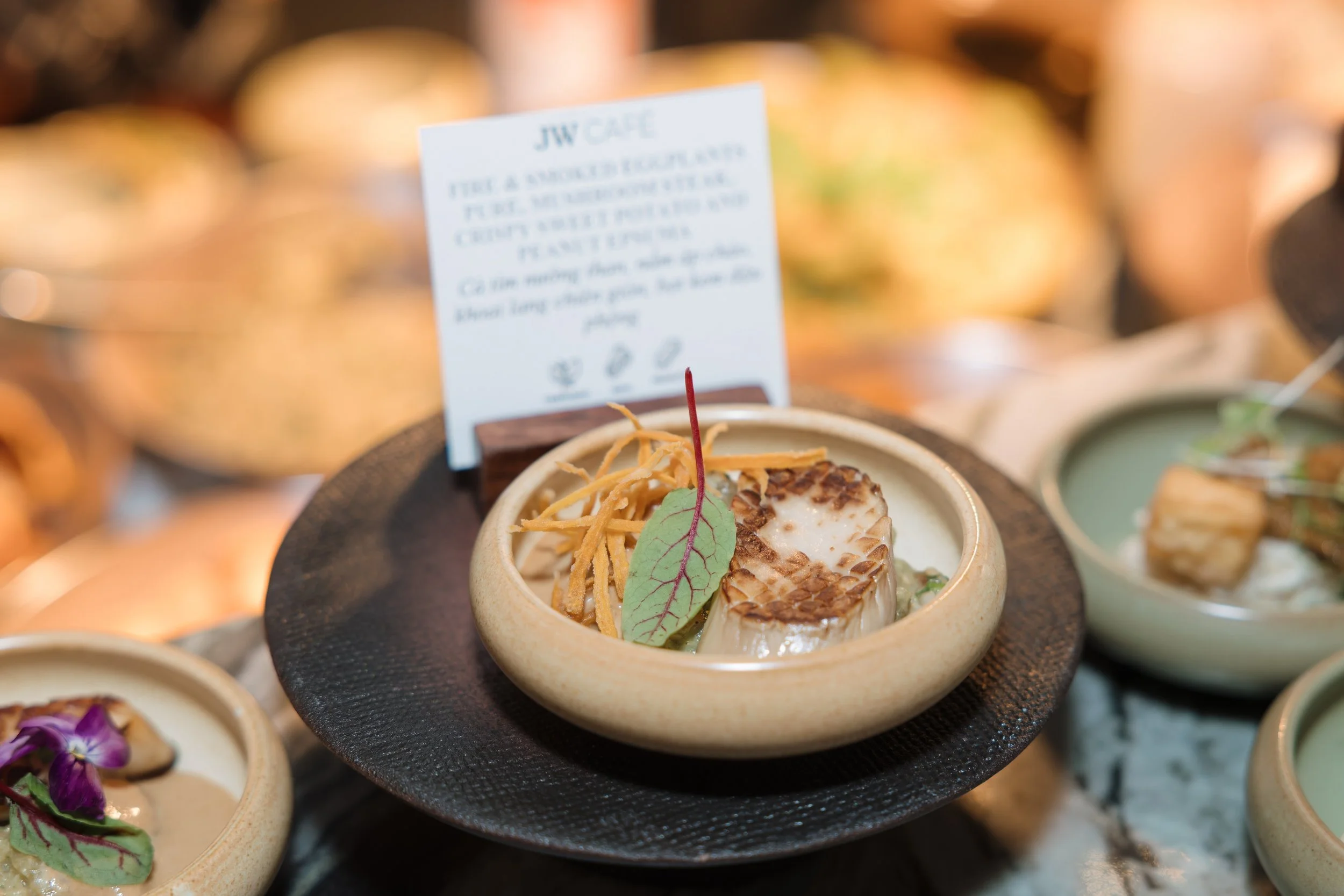
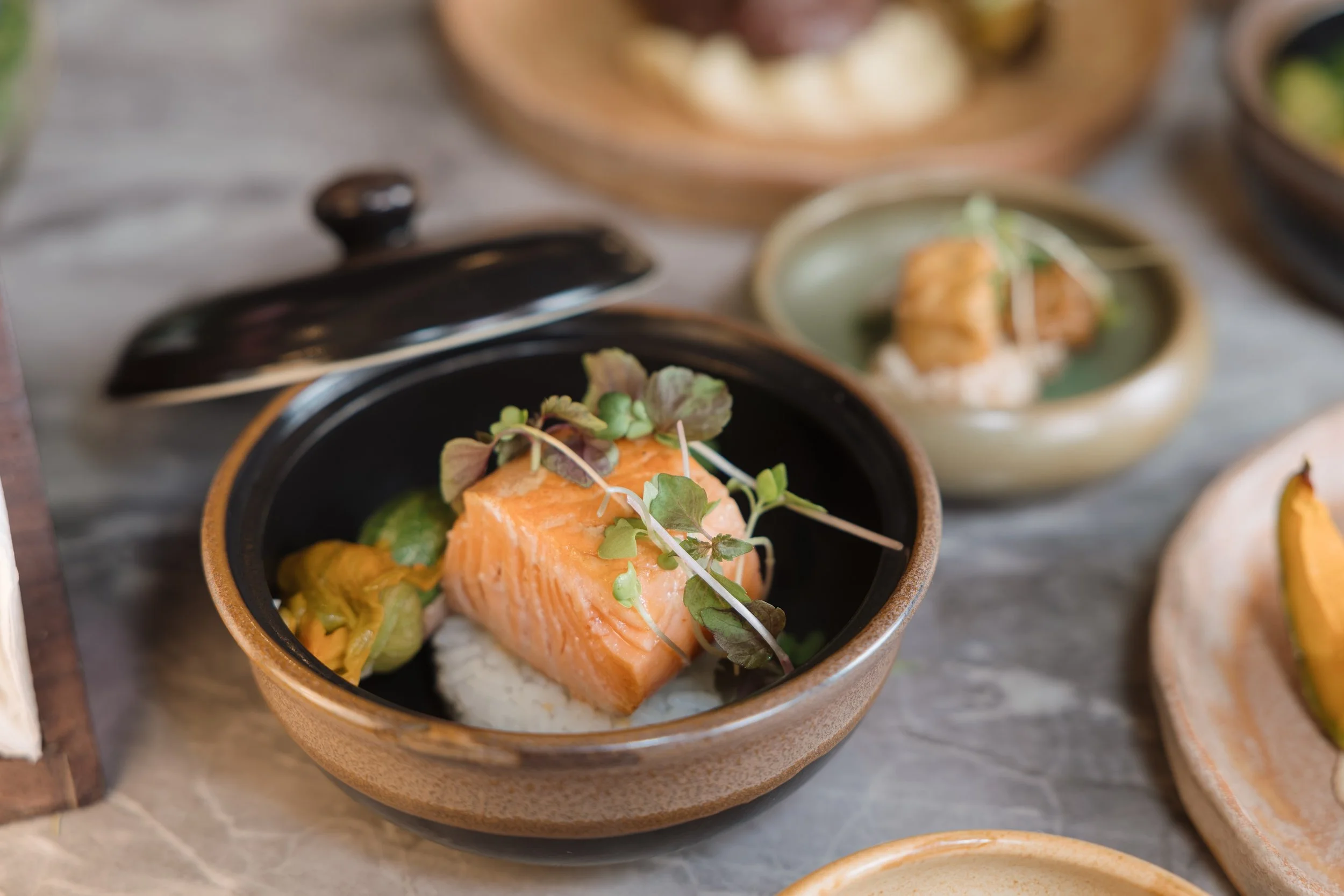
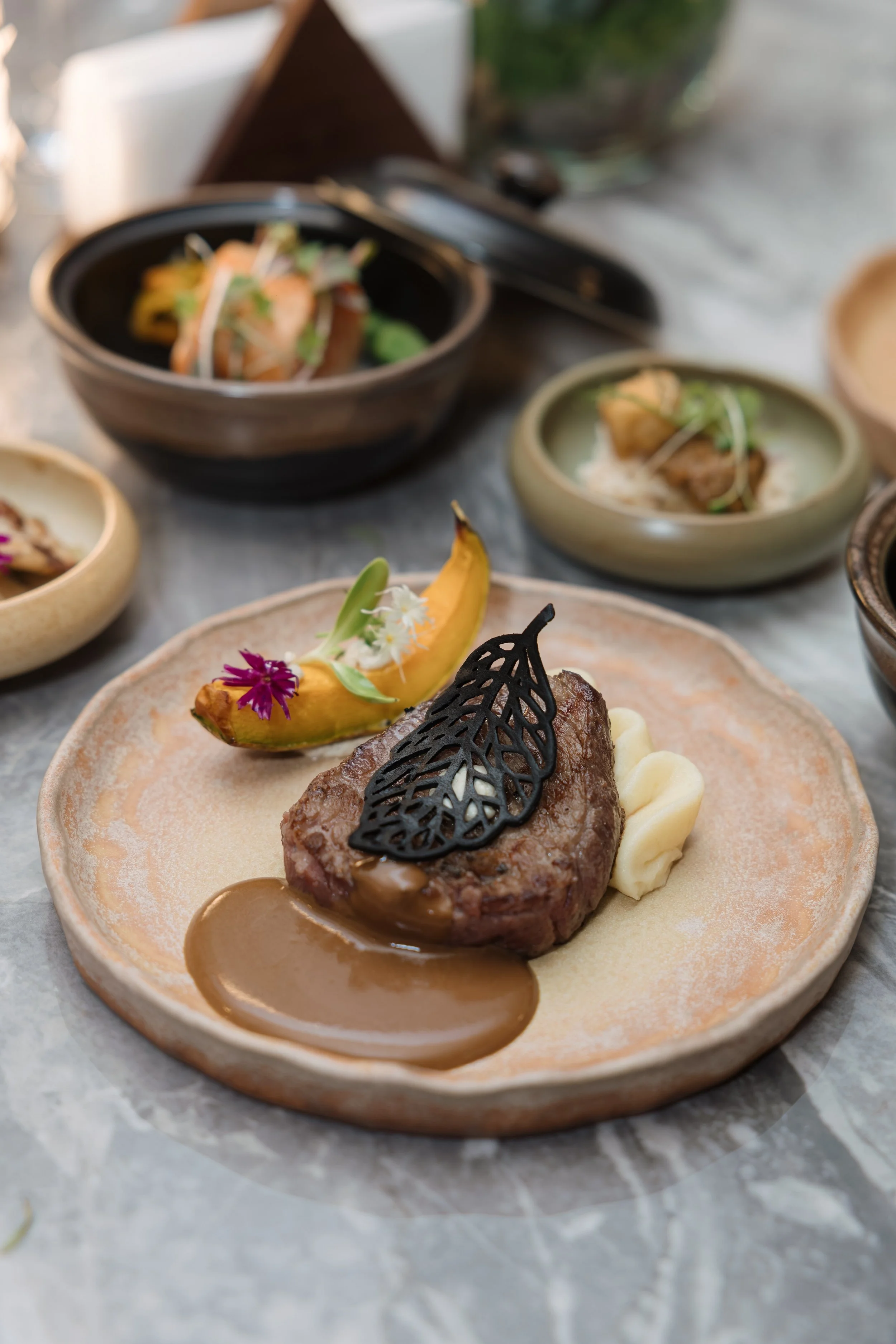
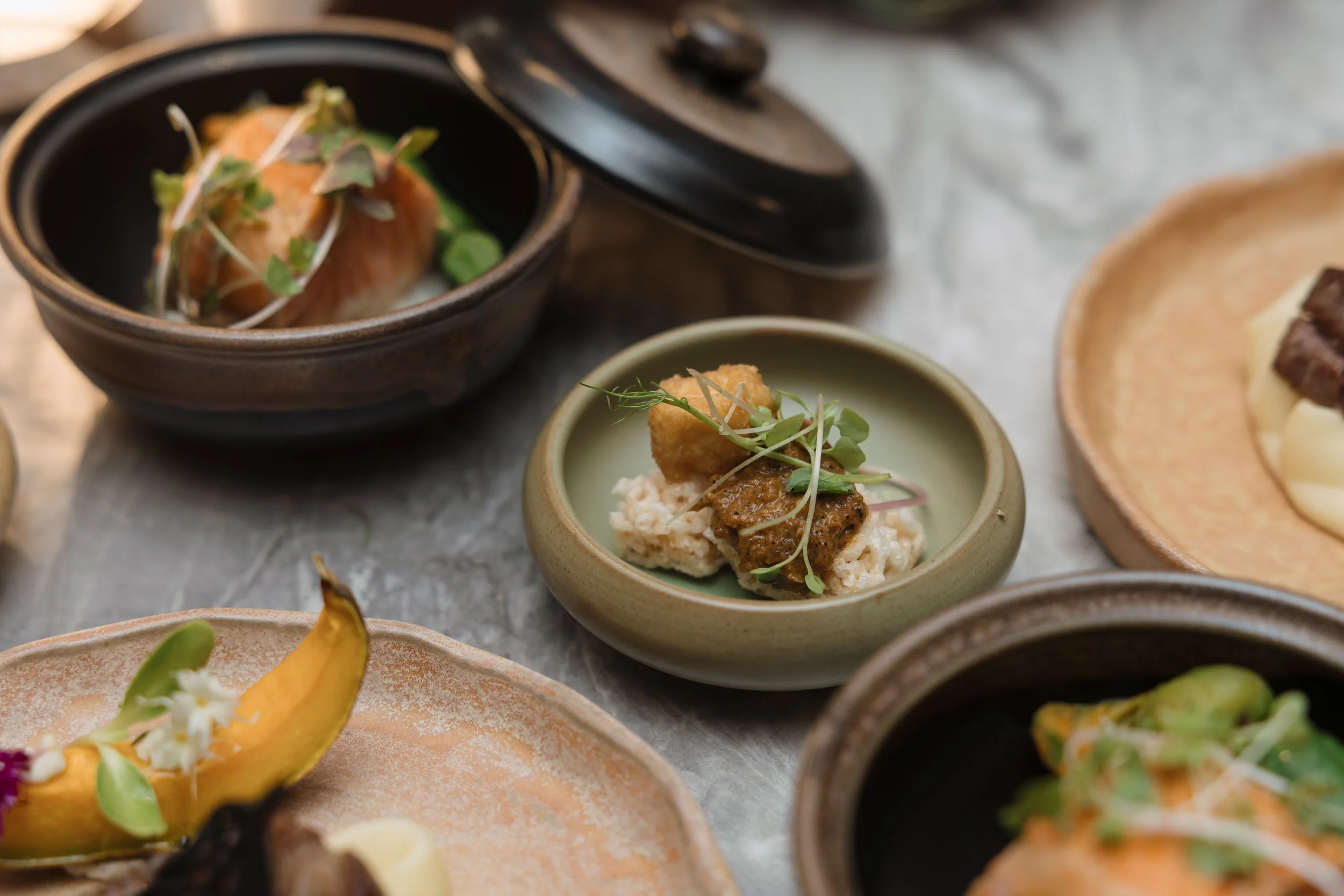
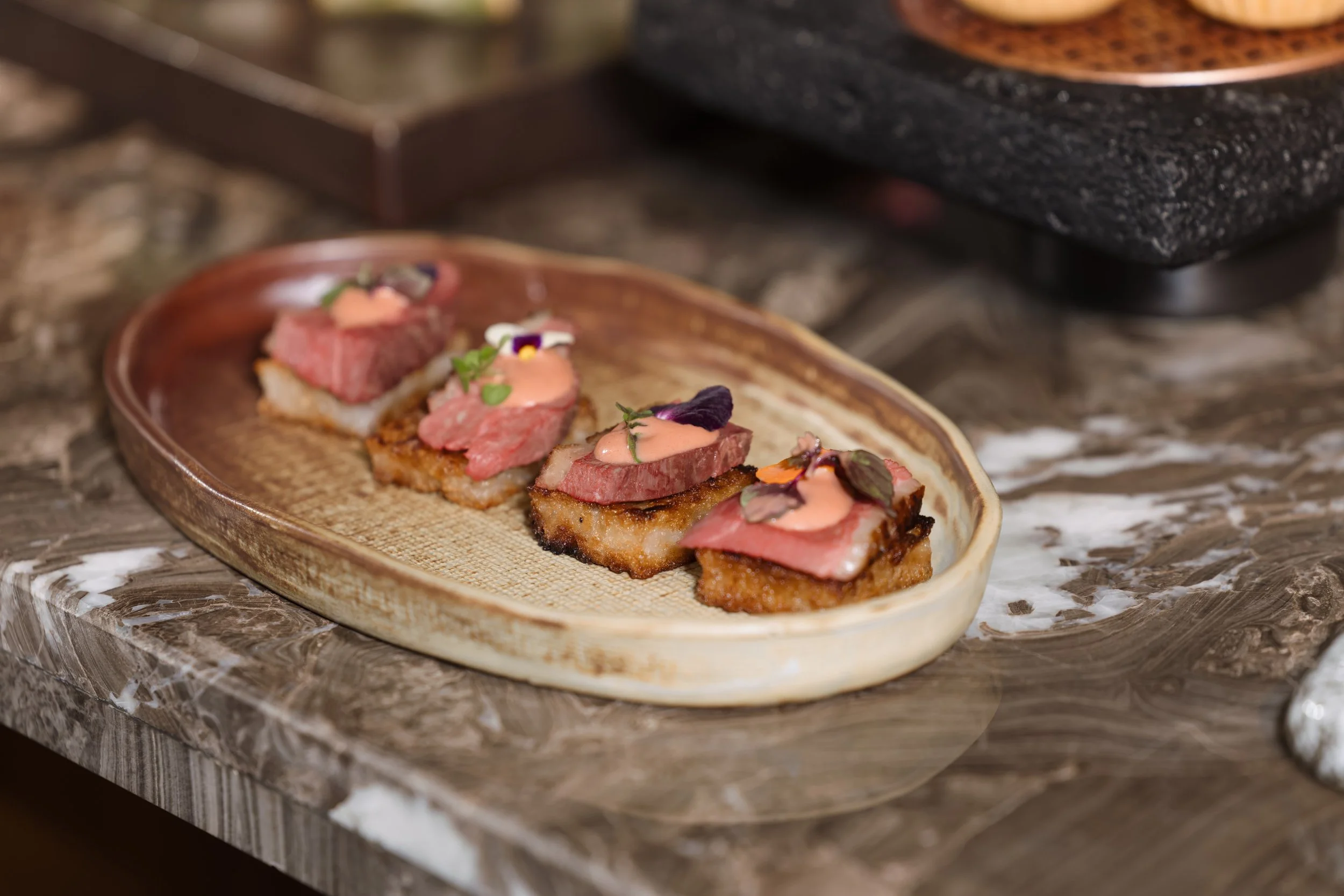
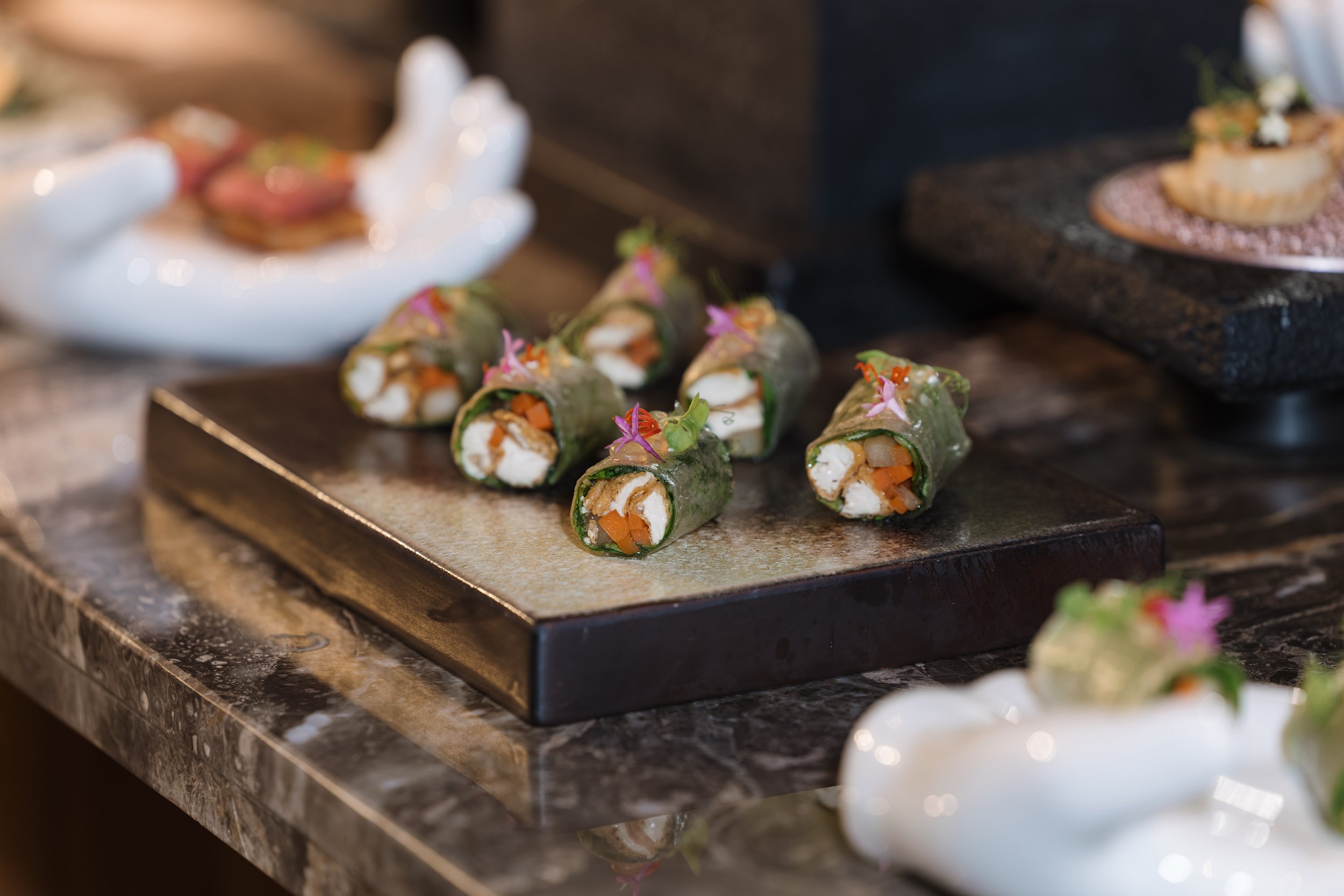
What stood out to Minh wasn't simply the scale of the event. It was seeing how familiar Vietnamese ingredients and dishes could take on new expressions through contemporary creativity.
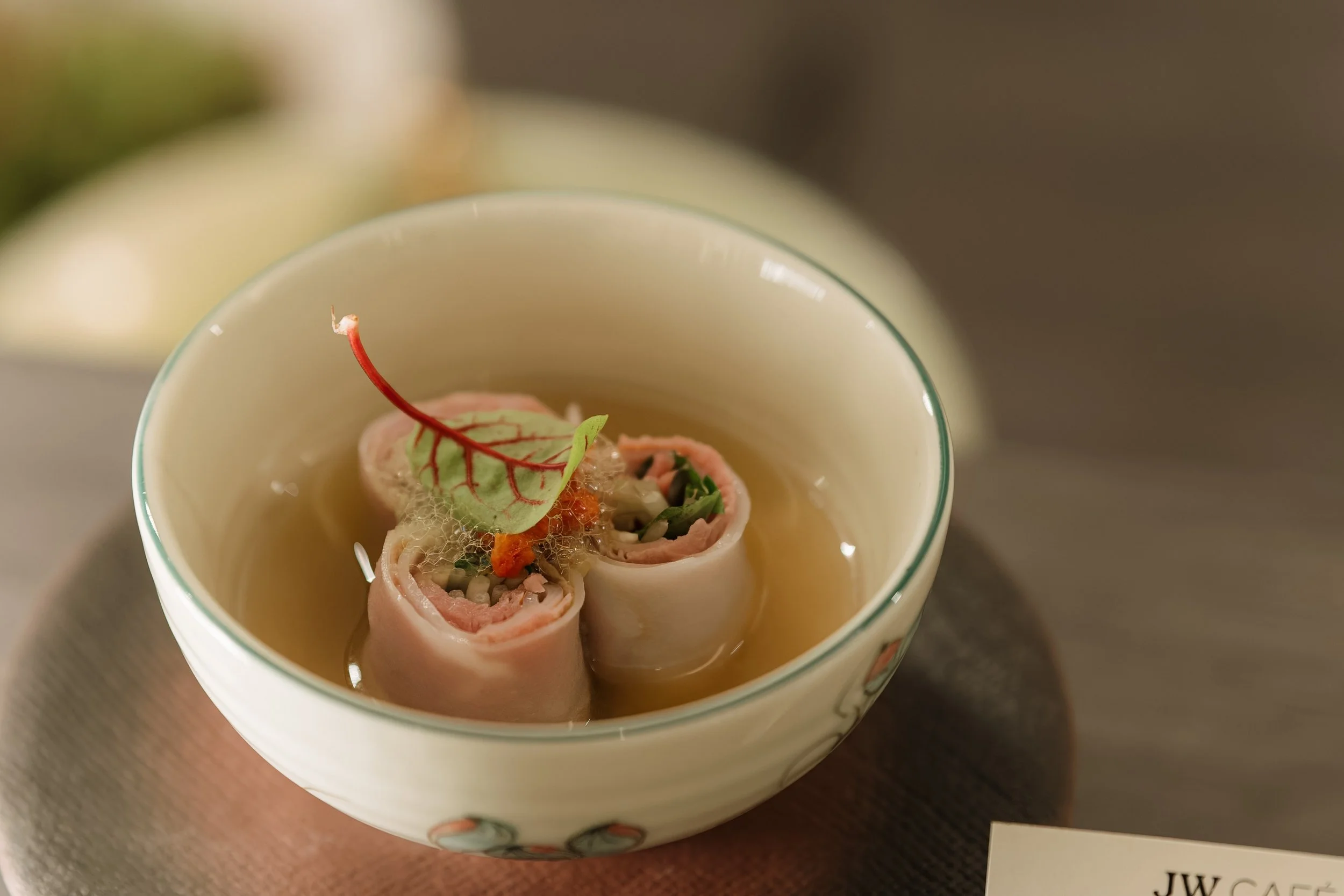
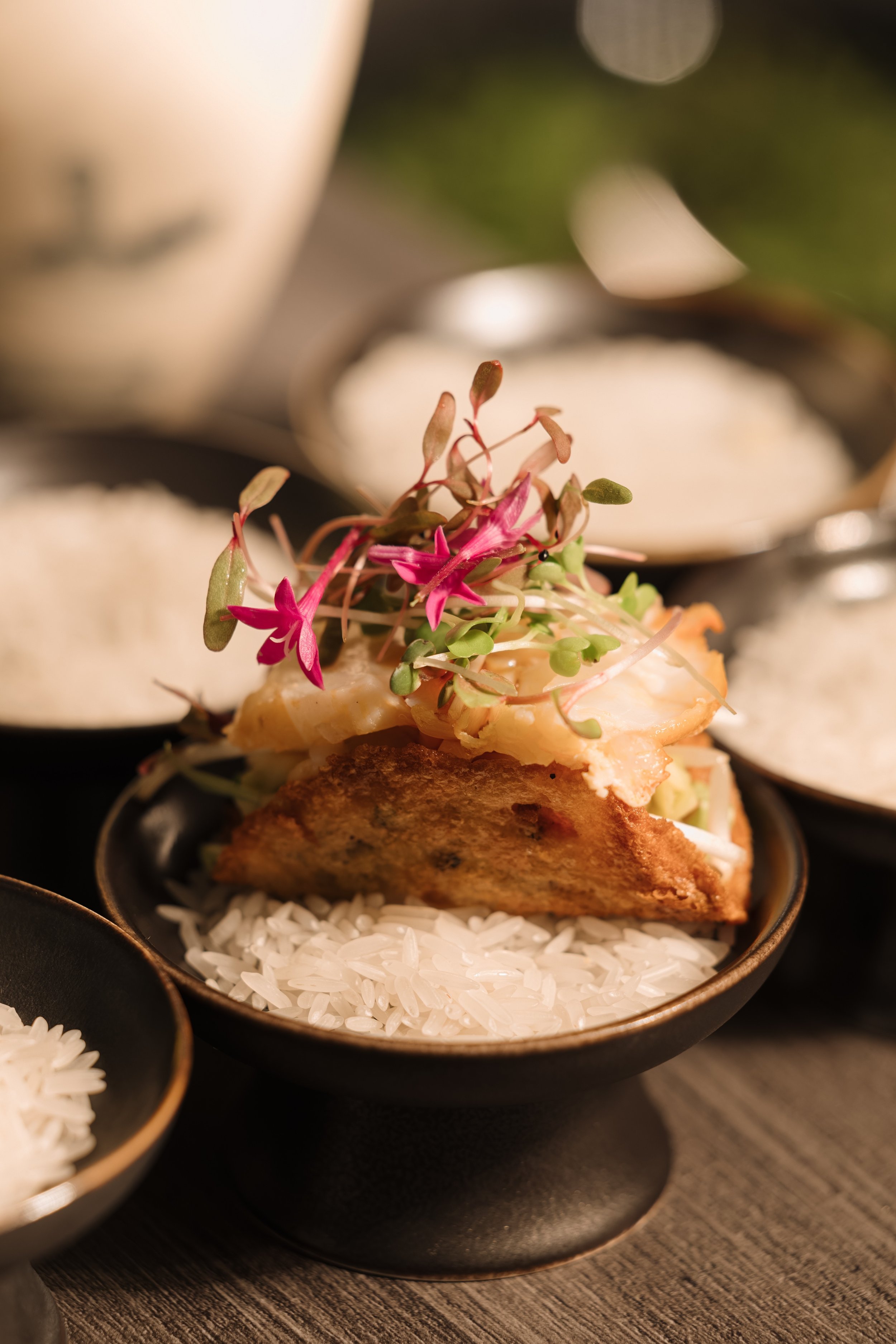
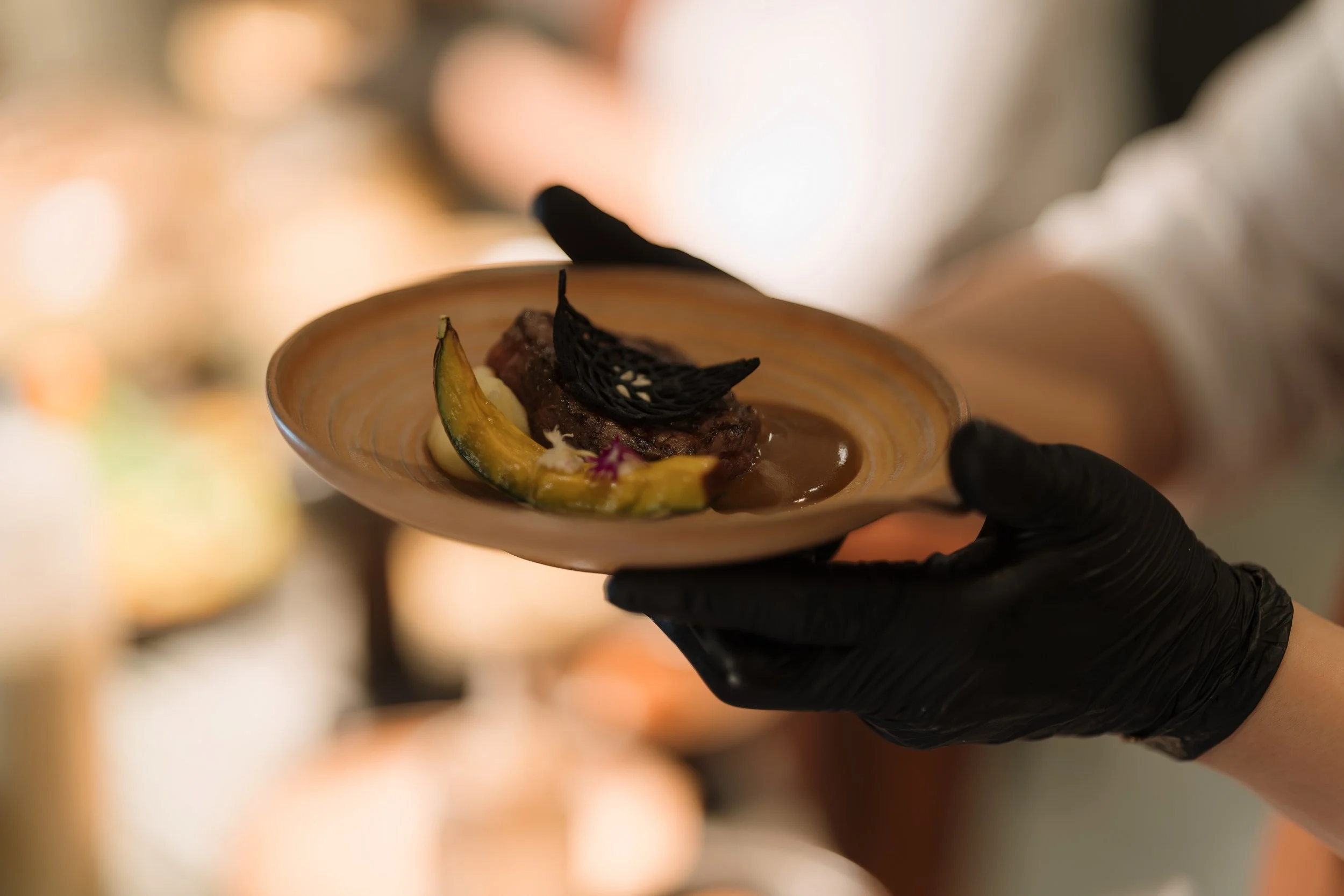
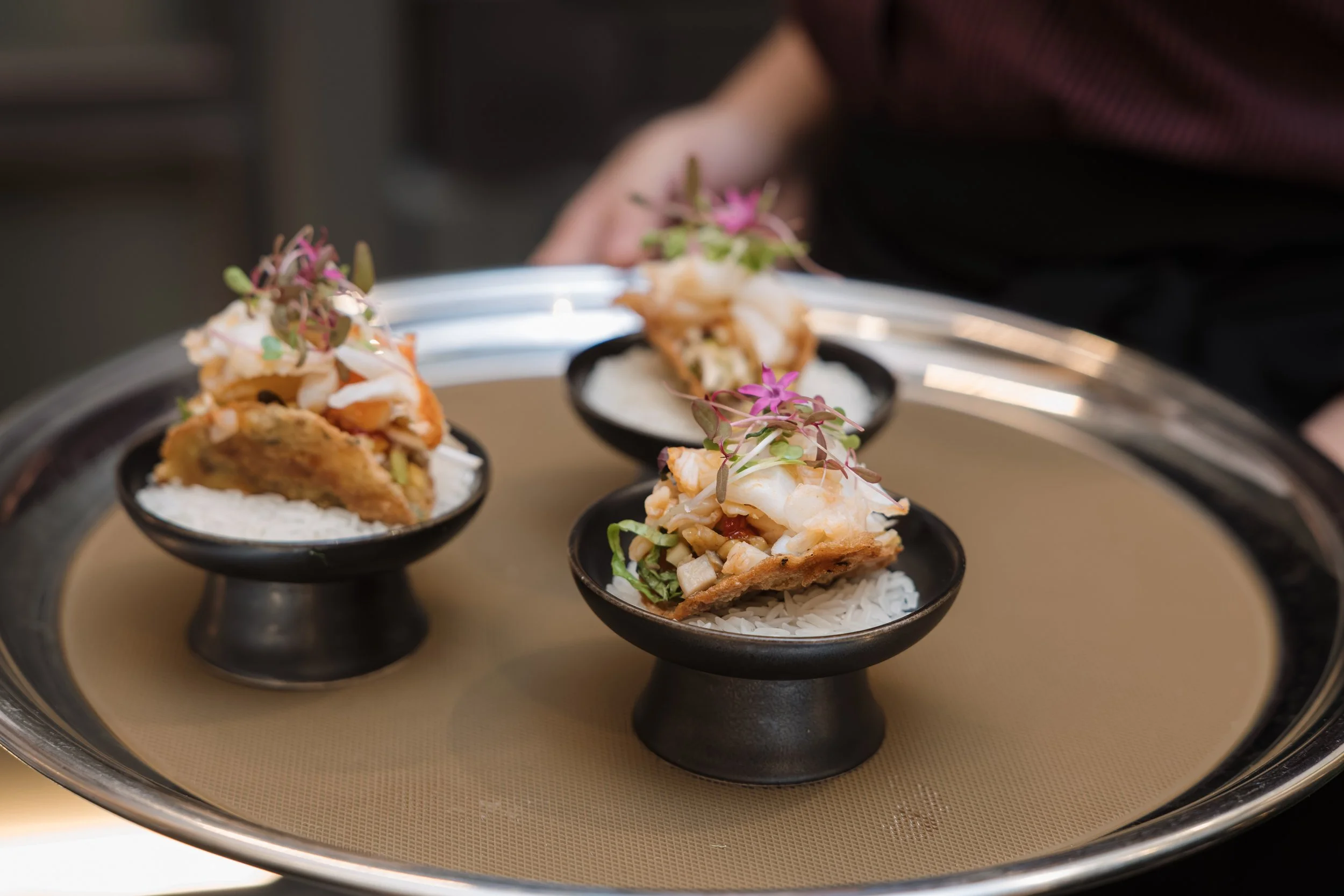
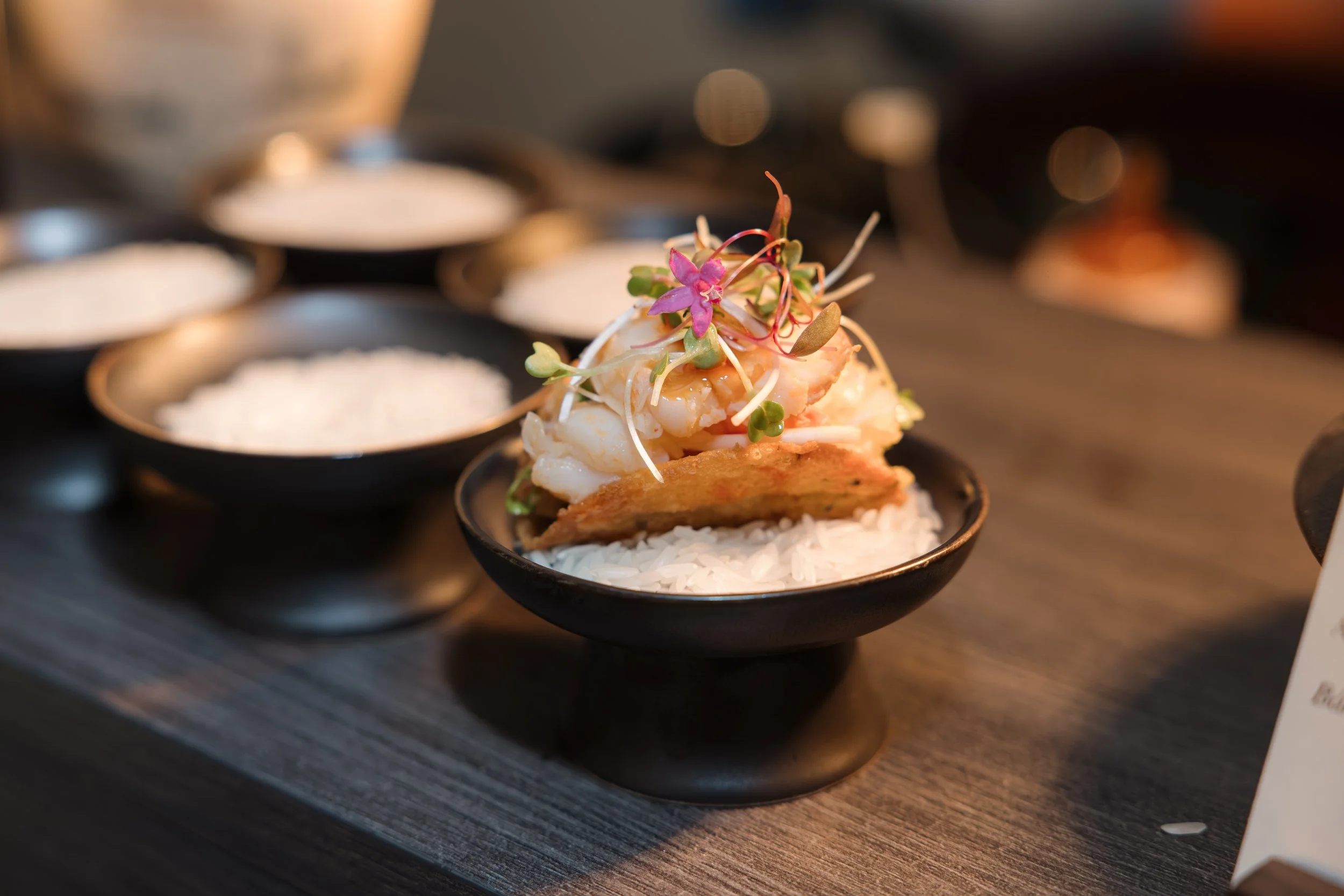
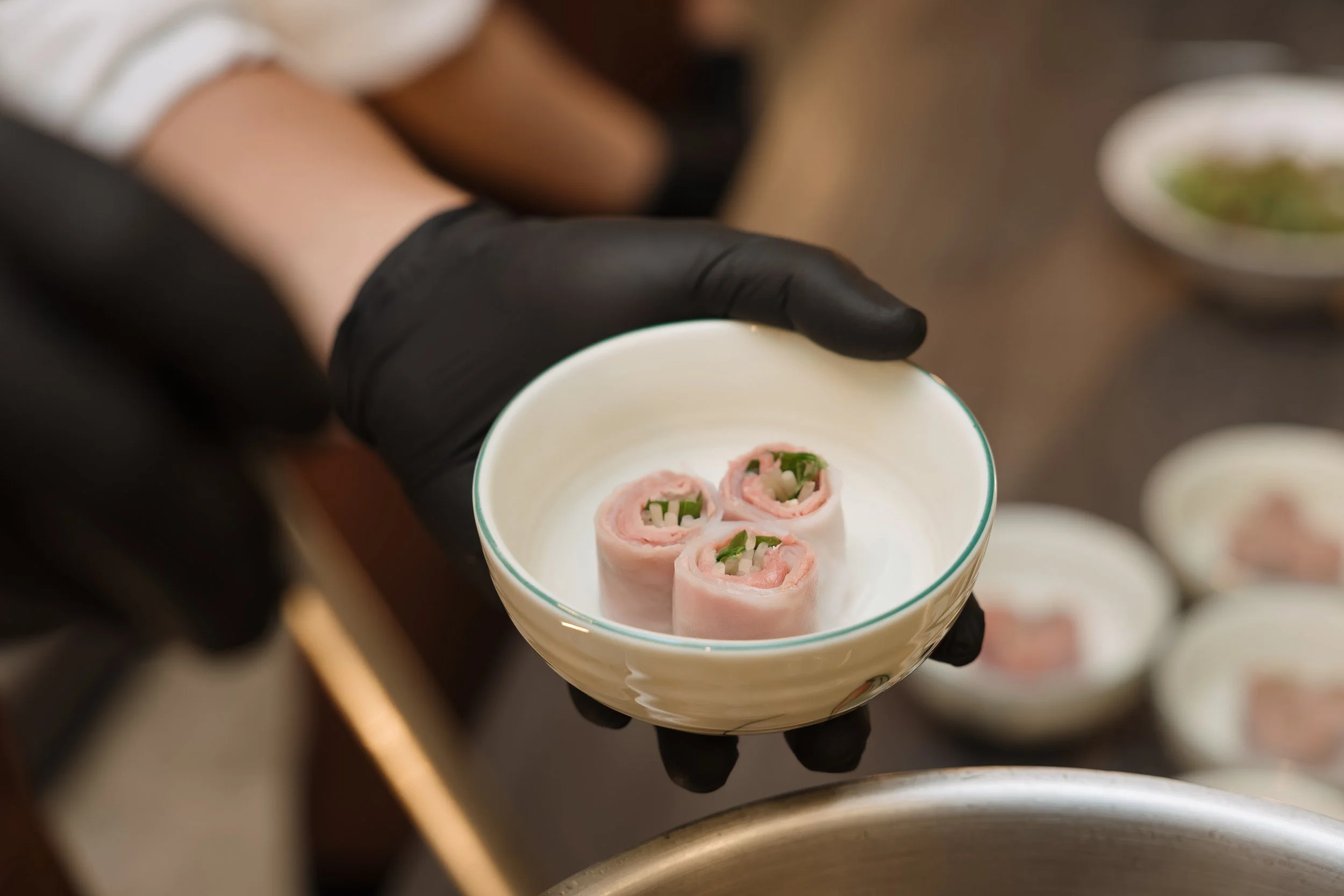
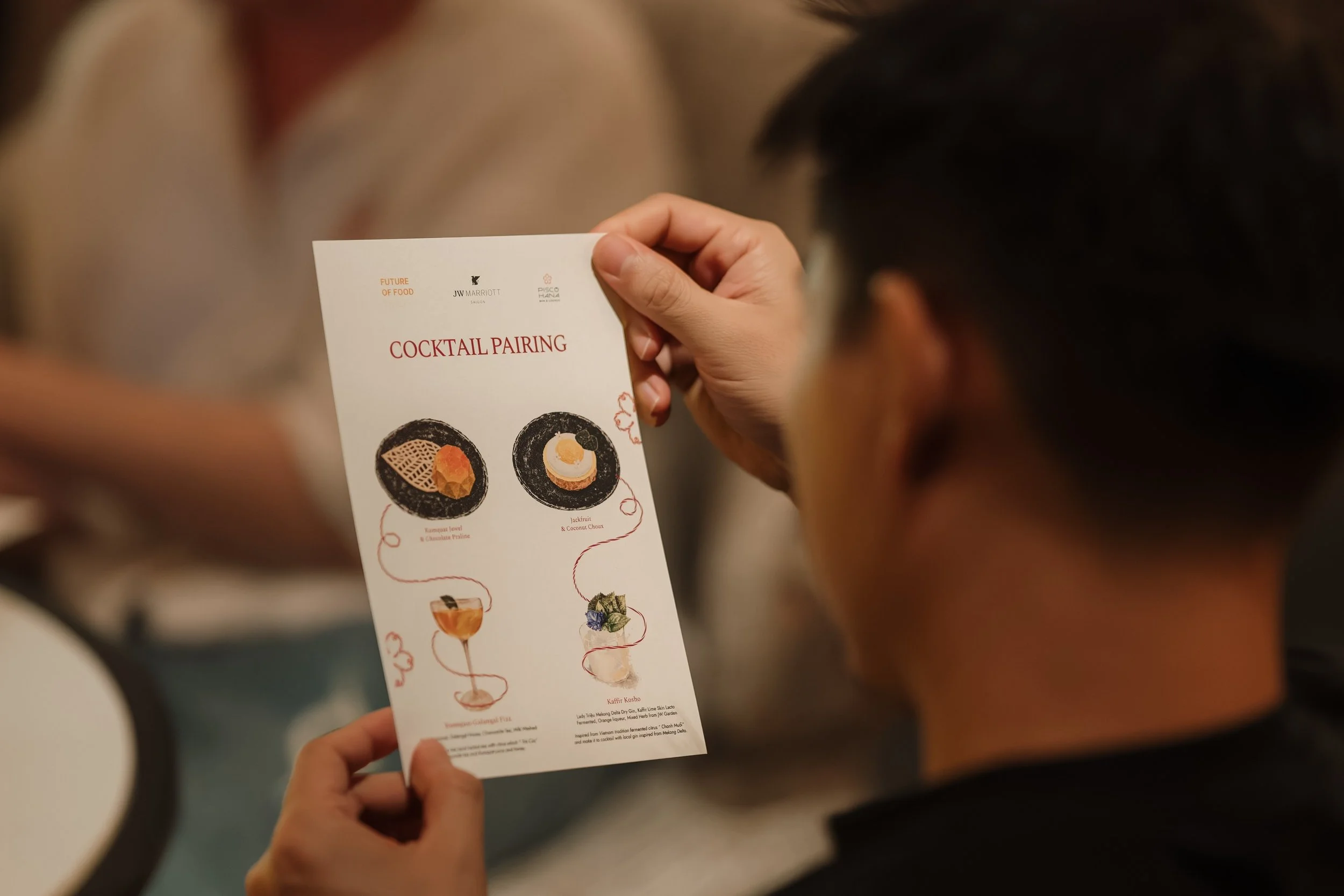
She recalled dishes such as bánh xèo tacos and bún bò Huế rolls, examples that challenged her expectations of how Vietnamese food could be presented.
"The ingredients remain familiar, but young chefs are finding new ways to elevate them."
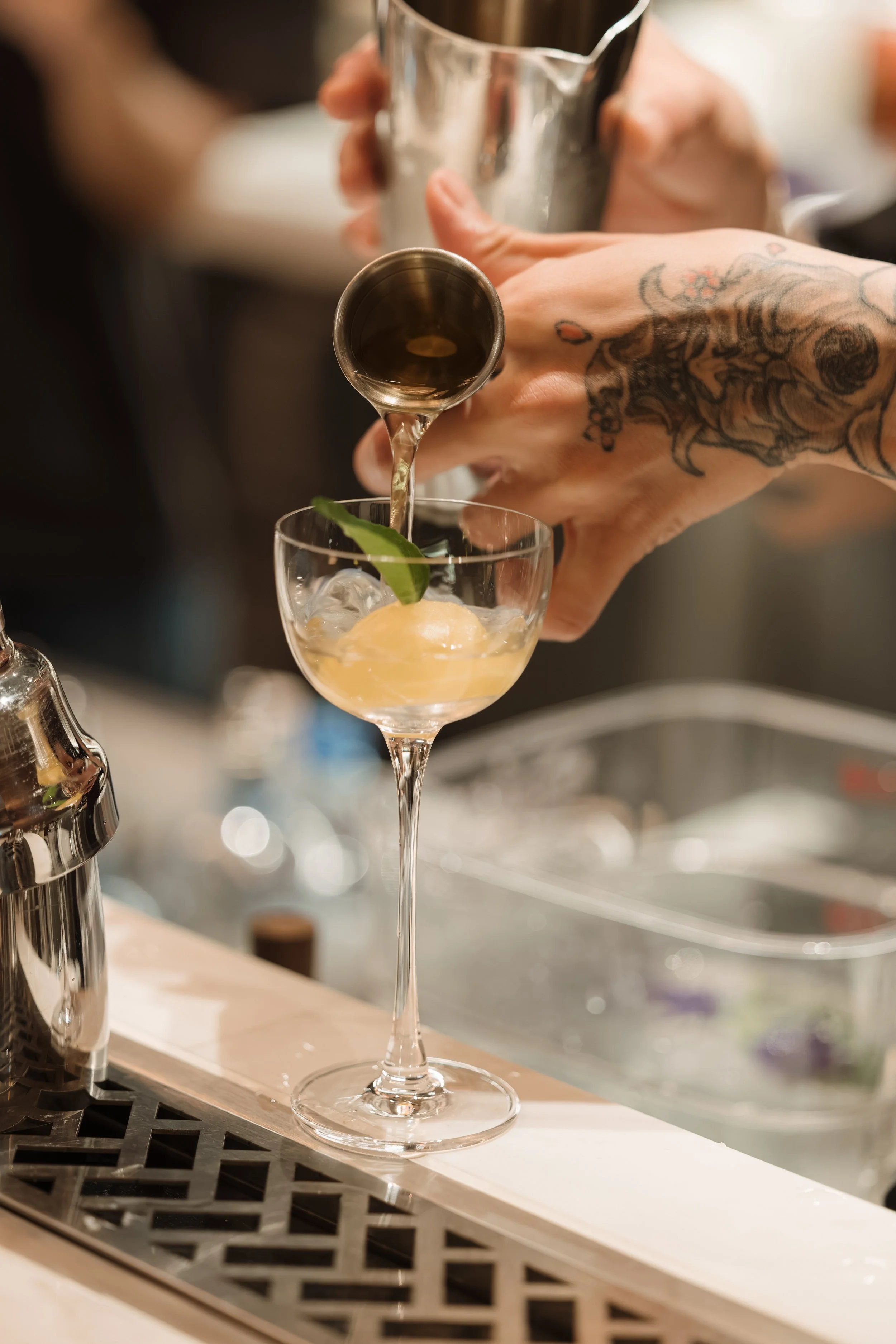
She also found herself thinking about the spaces where people gather, and how hospitality is becoming less defined by formality and more by connection.
That observation reflects another finding in Marriott's report. Across Asia Pacific excluding China, 45% of surveyed Marriott properties reported growing guest preference for casual dining environments, including lounges, bars, and outdoor spaces.
But beyond the research, Minh's experience reminded us of something equally important.
For young people beginning their careers, there is a difference between learning about an industry and being welcomed into the spaces where its future is being discussed.
The conversations, introductions, and opportunities to observe can shape how someone understands their own possibilities.
And sometimes, being invited into a room is what helps someone begin to imagine where they might belong within it.
As a team, we are still learning too. We don't attend these events because we have all the answers. We attend because we want to ask better questions, develop new perspectives, and create opportunities for our team to grow.
For us, that is part of what building Third Culture Vietnam means.
Not only creating spaces for our community, but also making sure the young people helping us build those spaces have opportunities to learn, experience, and find their own voices.
When Dining Becomes a Place to Gather
Another finding from Marriott International's report concerns the spaces where people choose to eat.
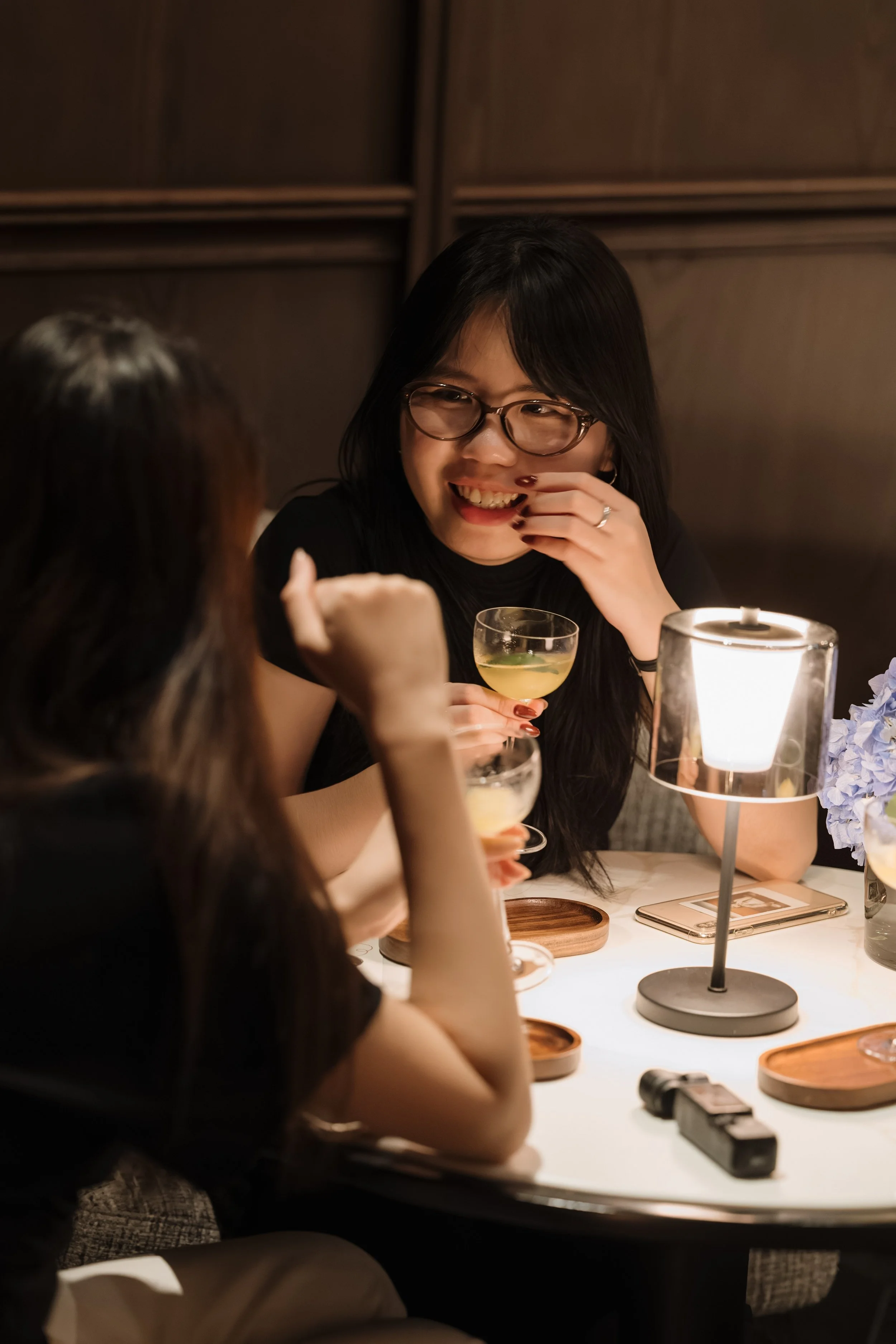
Across Asia Pacific excluding China, 45% of surveyed Marriott properties reported growing guest preference for more casual dining spaces, including lounges, bars, and outdoor settings.
The report also describes emerging restaurant concepts with more intimate spaces, often accommodating approximately 40 to 60 guests, where the identity and atmosphere of a venue become central to the experience.
Source: Marriott International, Future of Food 2027: The Rise of Place, Executive Summary and Chapter One, The Spatial Shift.
For us, this is one of the more interesting findings because it connects hospitality to something we think about frequently at Third Culture Vietnam: the importance of creating spaces where people can come together.
In Vietnam, eating has long been intertwined with social life. A family meal, a neighborhood quán, or a gathering around a shared table can be as much about conversation and relationships as the food itself.
That does not mean contemporary hospitality spaces are simply reproducing these traditions. The environments, audiences, and economic realities can be very different.
But it does raise an important question about what people are seeking when they choose where to spend their time.
Perhaps the value of a dining space increasingly lies not only in what it serves, but also in what it makes possible between people.
A place to meet someone new. A place to celebrate. A place to exchange ideas or spend an unhurried evening with friends.
And perhaps the future of hospitality is not necessarily about making everything more elaborate. Sometimes, it is about creating an environment where people feel comfortable enough to stay, share a conversation, and connect with one another.
For our own community work, this is a useful perspective.
We often think about the atmosphere of a gathering, the people we bring together, and the conversations that might emerge. The physical environment matters, but it is the relationships formed within it that give the experience lasting meaning.
Innovation Without Losing Identity
The future of food is also being shaped by changes in technology, dining formats, wellness, and expectations around convenience.
Marriott's report describes a shift toward shorter fine dining experiences. Across its surveyed properties in Asia Pacific excluding China, 58% reported that average fine dining experiences lasted between 1.5 and 2 hours.
The report also discusses the use of artificial intelligence in hospitality operations, including menu development, marketing, staffing, and guest insights.
Source: Marriott International, Future of Food 2027: The Rise of Place, Chapter One, The Spatial Shift, and Chapter Three, 99 Minute Fine Dining.
Vietnam offers an interesting perspective on these changes.
According to the report's Vietnam market findings, 71% of surveyed Marriott properties in Vietnam reported an increase in bar and lounge dining covers, the highest reported proportion among the markets surveyed. Another 62% reported growing guest preference for outdoor dining spaces, compared with a regional figure of 43%.
Source: Marriott International, Future of Food 2027: The Rise of Place, Chapter Five, Across the Region, Vietnam, pages 59–60.
These numbers offer a glimpse into how hospitality environments are evolving. They also raise an interesting question: As Vietnam's dining scene continues to develop, how do we embrace new ideas while remaining connected to the culture, people, and traditions that make our food meaningful?
Technology may help restaurants work more efficiently. New dining formats may make certain experiences more approachable. Contemporary chefs may introduce regional ingredients to audiences who have never encountered them before.
None of these changes is inherently incompatible with cultural preservation.
Traditions themselves are not static. They are influenced by changing environments, available ingredients, migration, cultural exchange, and the creativity of the people who practice them.
The challenge is not to prevent change. It is to consider how change happens and who gets to participate in shaping it.
A chef reinterpreting a traditional recipe can contribute to cultural continuity by introducing its history and ingredients to new audiences. A younger family member learning a recipe from an elder can preserve knowledge while adapting it to a different kitchen or country.
Both are expressions of culture continuing to evolve.
For Vietnamese cuisine, the most interesting future may not be a choice between tradition and innovation, but an ongoing conversation between them.
The Next Generation of Vietnamese Culinary Talent
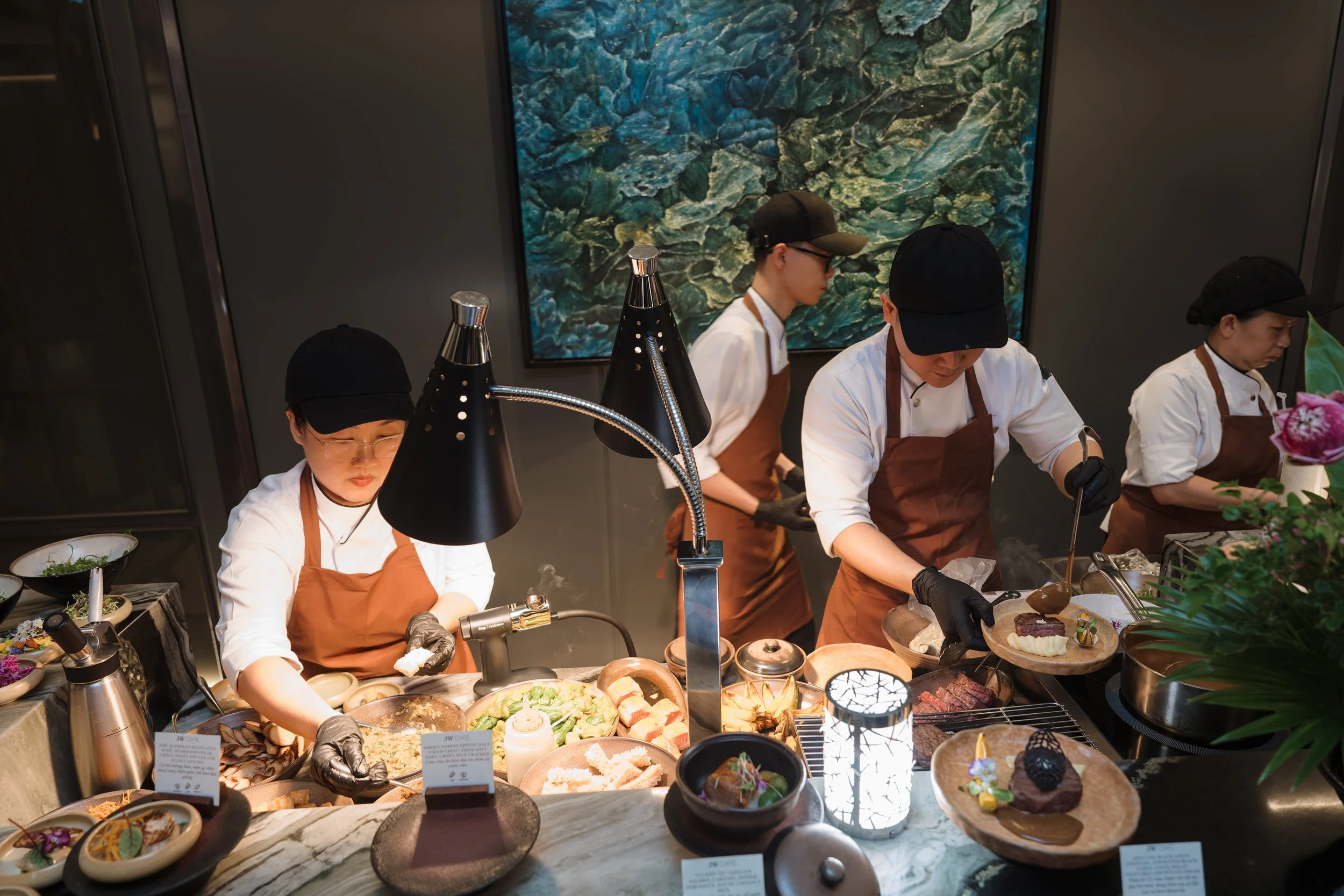
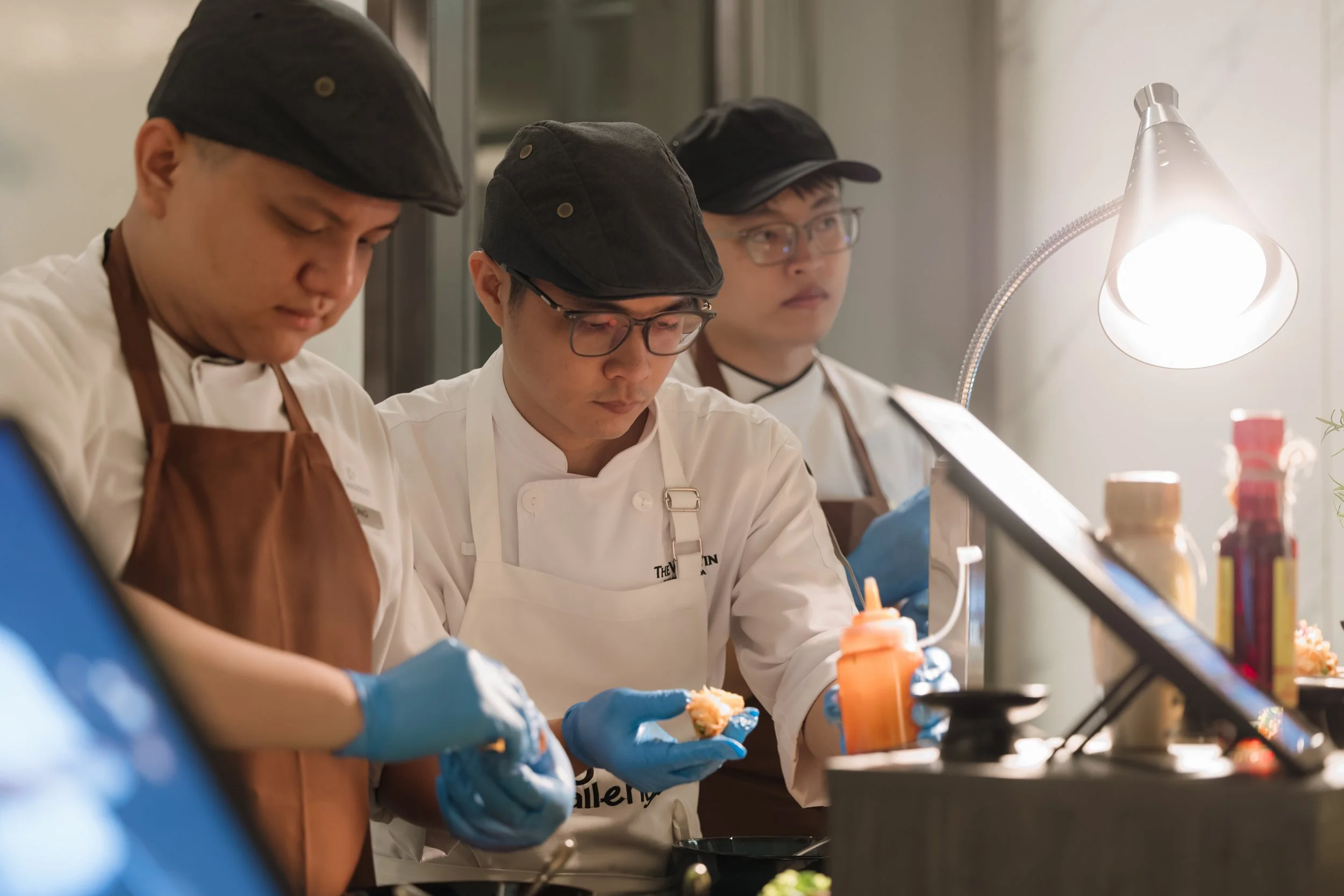
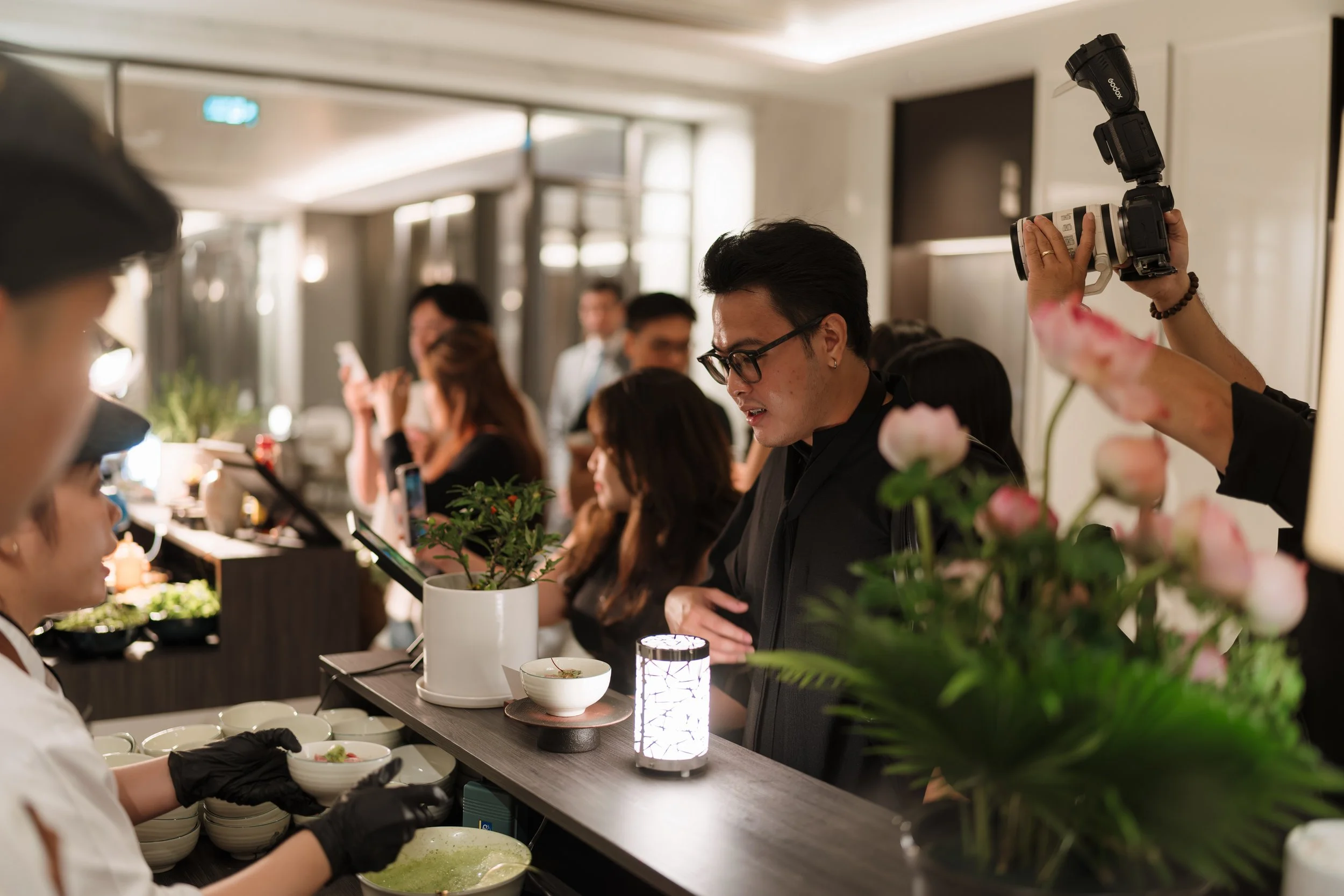
Young local chefs from Marriott International, representing a new generation of culinary talent in Vietnam. Their creativity and dedication remind us that the future of Vietnamese cuisine is shaped not only by the traditions we preserve, but also by the people finding new ways to carry them forward.
The Stories We Carry Through Food
For Vietnamese people living overseas, the relationship between food and identity can take on additional meaning.
A familiar dish can become a connection to family, childhood, language, or a place someone has not visited in years.
Research offers a useful perspective on these relationships.
In a 2025 study published in the academic journal Appetite, researchers Martina Arcadu, María Isabel Reyes-Espejo, Vittoria Romoli, and Laura Migliorini reviewed 76 studies examining food and eating practices in migration.
The review found that food practices intersect with personal identity, family relationships, cultural adaptation, and community participation. It also identified the importance of food related spaces and initiatives in fostering belonging and collective well being.
Although this research examines migration across different populations rather than Vietnamese communities specifically, it offers a framework for understanding why food can carry meaning beyond nutrition or commercial value.
A recipe might be one of the traditions a family continues practicing after migration. A particular ingredient might bring back memories of a parent or grandparent. A shared meal might become an opportunity for younger generations to ask questions about family history.
At the same time, these experiences are not universal. Relationships with food, family, and cultural identity vary widely, including within the Vietnamese diaspora.
What matters is recognizing that cuisine can provide a starting point for conversations that extend far beyond the kitchen.
For Third Culture Vietnam, this is one of the reasons we continue exploring stories about food.
Not simply to celebrate what people eat, but to better understand the memories, relationships, and histories that food can carry.
What We Bring Back to Our Community
An event can introduce new ideas, but its value does not have to end when the evening is over.
For our team, the larger opportunity is to bring what we learn into the stories we create and the conversations we share with our community.
Marriott International's Future of Food 2027 offers an industry perspective on changing dining preferences, the growing importance of local cuisine, and the role of hospitality spaces in connecting people to places.
Our responsibility as a cultural platform is to explore what those ideas mean beyond the hospitality industry.
Who are the people preserving Vietnam's regional food traditions? How are younger chefs interpreting the knowledge they inherited? What happens when family recipes travel across borders? And how can emerging creative communities help document stories that might otherwise go unheard?
These are questions we hope to continue exploring through our editorial work, conversations with Vietnamese creatives, and the experiences we create together.
We are still learning, and that is an important part of the process.
The opportunity to encounter different perspectives is valuable. Being able to share what we learn, question what we hear, and create space for others to contribute is what makes it meaningful.
The Future Is Also What We Choose to Carry Forward
When we think about the future of food, it is tempting to imagine what restaurants will look like, which ingredients will become popular, or how technology will change the way meals are prepared and served.
Those developments will undoubtedly influence the hospitality industry.
But the future of Vietnamese food is also being shaped in places that may never appear in an industry report.
In family kitchens where recipes are passed between generations. In markets where vendors have spent decades developing relationships with their customers. In small restaurants where cooks continue practicing techniques learned from their parents. And in the work of young chefs and creatives who are finding new ways to express their relationship with Vietnam.
These places and people are not separate from the future of food.
They are part of it.
As we continue learning from the people shaping Vietnam's cultural and creative landscape, we hope to keep asking questions, listening to different perspectives, and sharing the stories that deserve greater attention.
Because the future of food is not only about what comes next.
It is also about what we choose to carry forward, and who we choose to carry it with.
Event acknowledgment: Our team was invited by Ivy + Partner to attend Marriott International's Future of Food 2027 event at JW Marriott. This editorial reflects Third Culture Vietnam's perspective alongside findings from Marriott International's published report and independently sourced research.
The Conversation Continues
Food is one of the many ways we explore culture, identity, and community.
Discover more stories about the people and traditions shaping Vietnam, and join our newsletter to follow what we're learning.
References and Further Reading
1. Marriott International (2026).
Future of Food 2027: The Rise of Place.
Primary research report examining emerging food, dining, and hospitality trends across Asia Pacific excluding China.
The report draws on a July 2026 survey of food and beverage teams at 284 Marriott International properties across 20 Asia Pacific markets, alongside insights from culinary and hospitality professionals.
Sections referenced in this article include:
Executive Summary: Local cuisine, changing dining preferences, and evolving hospitality spaces.
Chapter One, The Spatial Shift: Casual dining environments, social spaces, and technology in hospitality.
Chapter Two, The Local Advantage: Regional ingredients, local cuisine, and culinary storytelling.
Chapter Three, 99 Minute Fine Dining: Changes in dining duration, menus, and guest expectations.
Chapter Five, Across the Region, Vietnam (pages 59–61): Vietnam's evolving dining preferences, including bar and lounge dining and outdoor spaces.
Source: Marriott International, Future of Food 2027: The Rise of Place, 2026.
2. UNESCO.
International Food Atlas: Transmitting Foodways to Future Generations.
A resource exploring food traditions as living cultural heritage, including the knowledge, practices, and relationships that connect food to communities.
3. UNESCO Courier.
Food and Intangible Heritage: A Flavourful Relationship.
An exploration of the relationship between culinary traditions, cultural identity, community knowledge, and intangible cultural heritage.
4. Associated Press (2025).
Reporting on Climate Change, Overfishing, and Traditional Fish Sauce Production in Vietnam.
Independent reporting examining environmental pressures on traditional fish sauce production and the communities working to preserve their practices.
Read the Associated Press article
5. Arcadu et al. (2025).
Food and Eating Practices in Migration Processes: A Scoping Review. Appetite, Article 108248.
An academic review examining the relationship between migration, food practices, identity, cultural adaptation, and belonging. The research is not specific to Vietnamese diaspora communities.
About the Research
This editorial draws on Marriott International's Future of Food 2027 report, independent journalism, UNESCO cultural heritage resources, and academic research.
Statistics attributed to Marriott International reflect findings from its surveyed properties and should not be interpreted as representative of all restaurants, hospitality businesses, or consumers across Vietnam or the wider Asia Pacific region.
Our interpretations and reflections represent the editorial perspective of Third Culture Vietnam.
Photography and Acknowledgments
Event photography featured in this editorial was captured by the marketing team at JW Marriott during Marriott International's Future of Food 2027 event.
Our sincere appreciation to Ivy + Partner for extending the invitation to Third Culture Vietnam, and to the JW Marriott marketing team for documenting the people, conversations, and moments that brought this gathering together.
Photography courtesy of JW Marriott Marketing Team.
Editorial Disclosure
Our team was invited by Ivy + Partner to attend Marriott International's Future of Food 2027 event at JW Marriott. This editorial reflects our own perspectives and observations, alongside findings from Marriott International's published report.
