Home Doesn't End at the Border
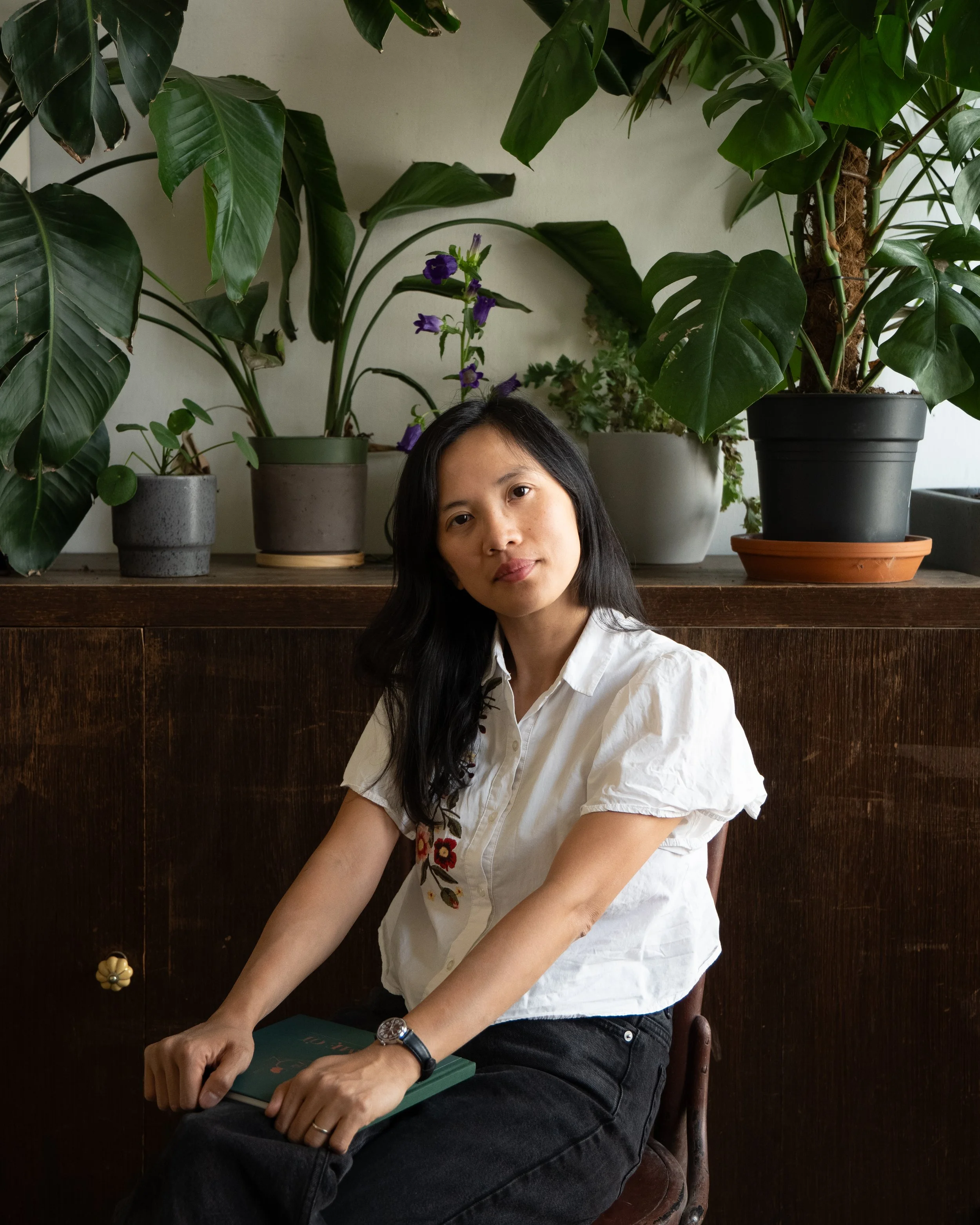
The story of the Vietnamese community in the Czech Republic, and the conversations helping preserve it.
When we think about the Vietnamese diaspora, our minds often travel to familiar places.
California.
Paris.
Sydney.
Berlin.
These cities have become home to generations of Vietnamese families rebuilding their lives after war, migration, and displacement.
But thousands of kilometers away, in the heart of Central Europe, another community has quietly been writing its own chapter for more than seventy years.
Today, more than 68,000 Vietnamese people officially reside in the Czech Republic, making it home to one of Europe's largest Vietnamese communities. Yet despite its size, many people outside of Europe know surprisingly little about the history that brought them there.
It is a story shaped by diplomacy.
Education.
Migration.
Resilience.
Family.
It is also a story that reminds us of something we often forget.
Home doesn't end at the border.
At Third Culture Vietnam, one of the greatest privileges of what we do is discovering the many ways Vietnamese identity continues to evolve around the world. Every community carries its own history, shaped by the country it settled in while remaining deeply connected to the one it came from.
This editorial began with a conversation.
Not with a historian.
Not with an archive.
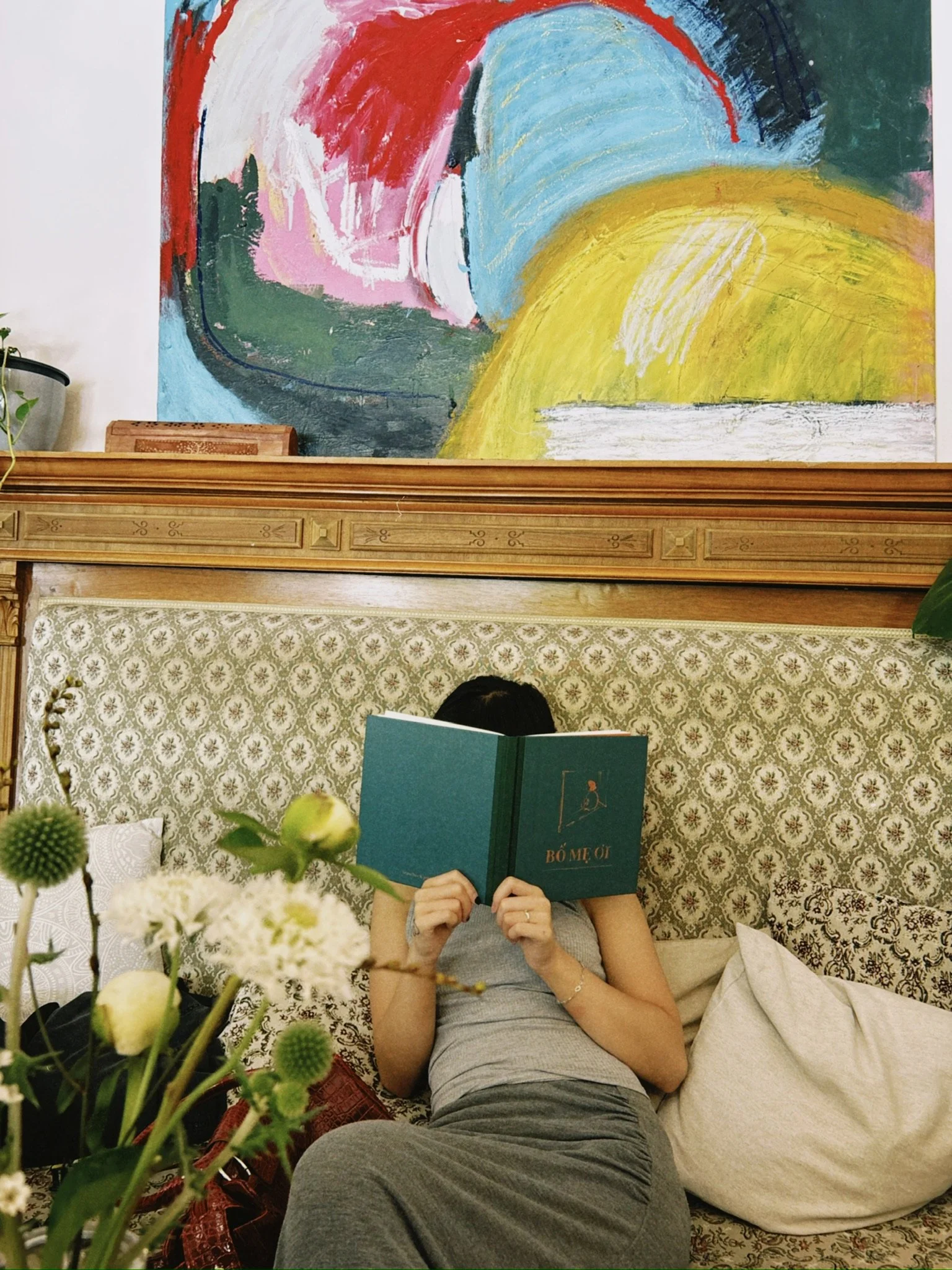
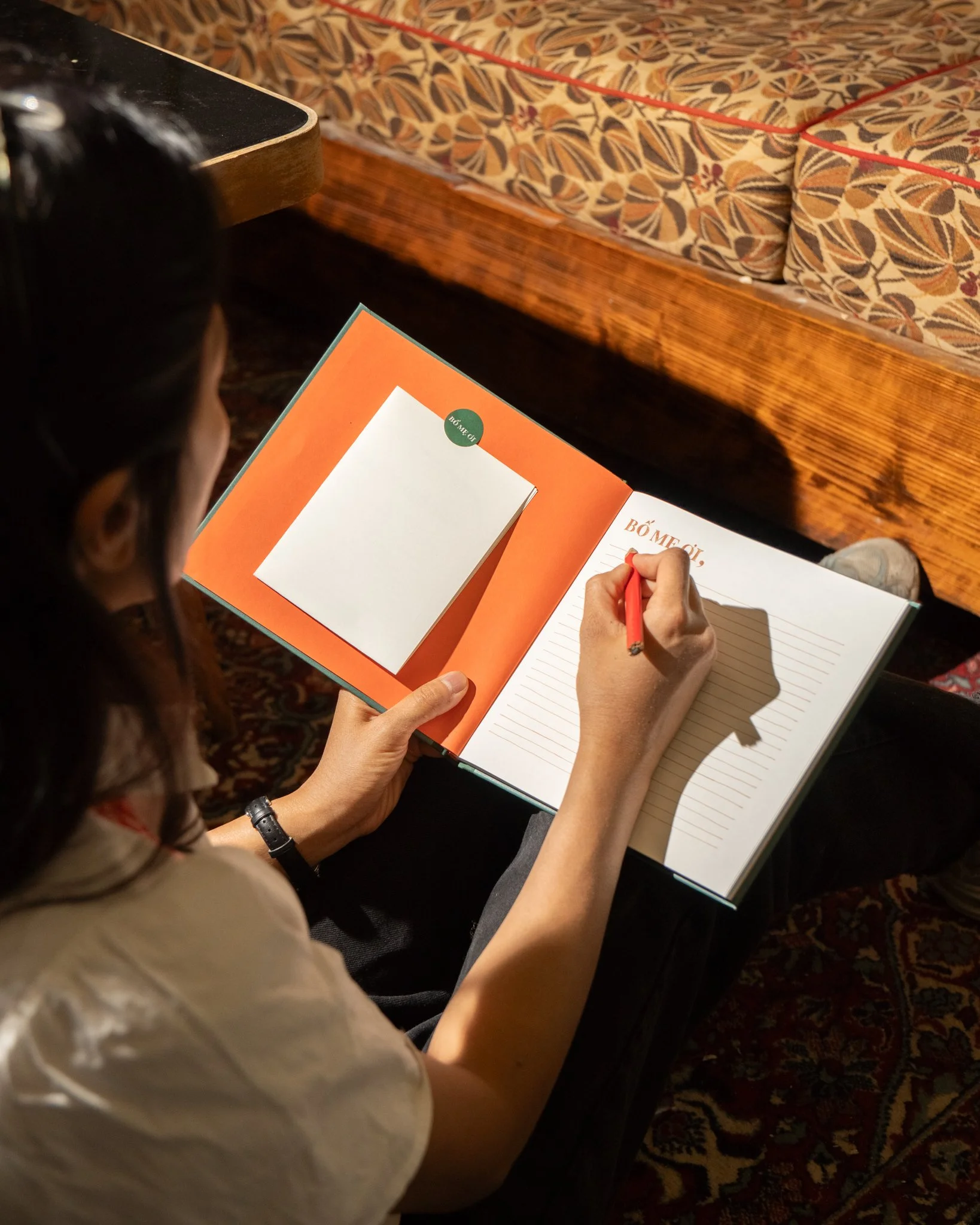
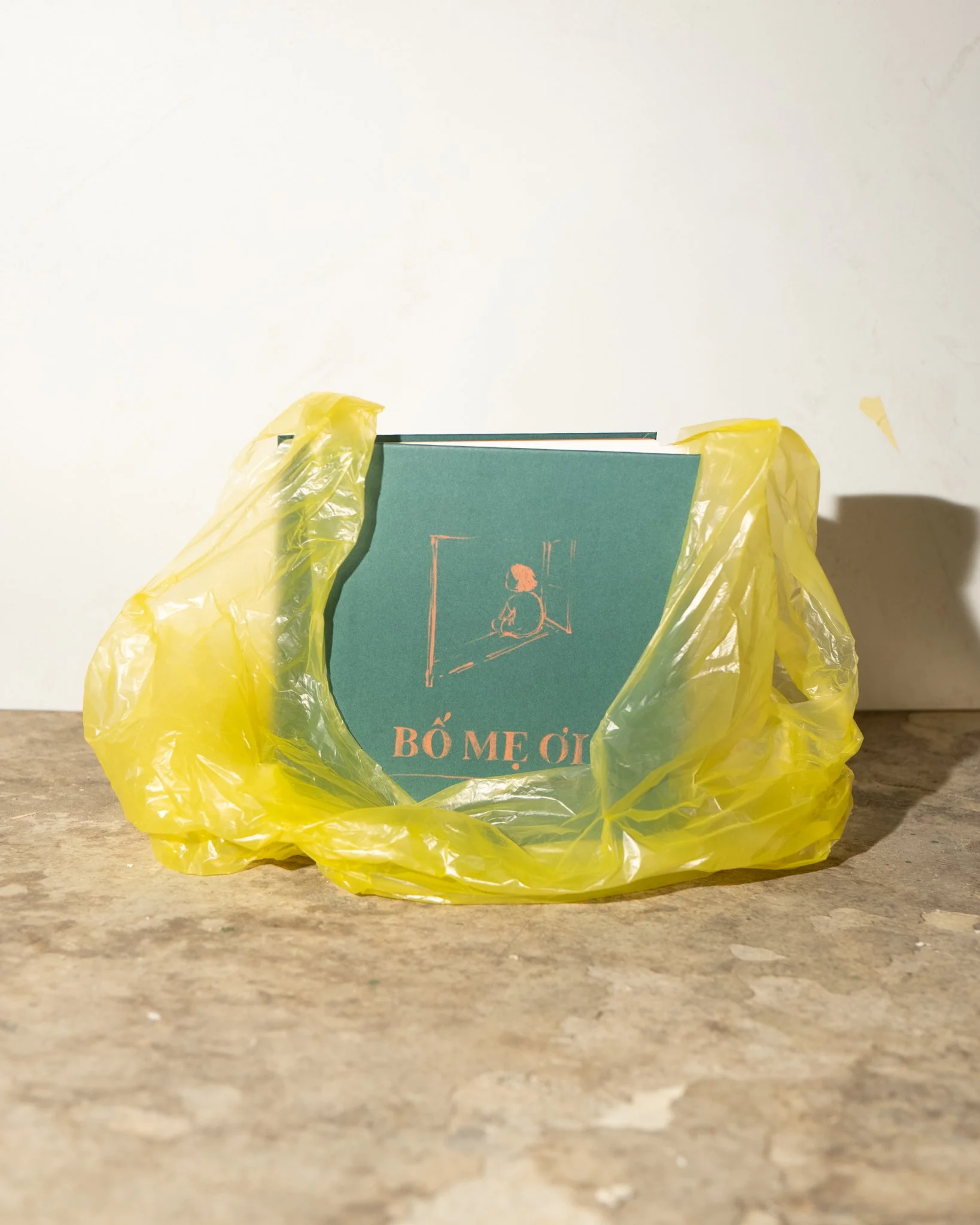
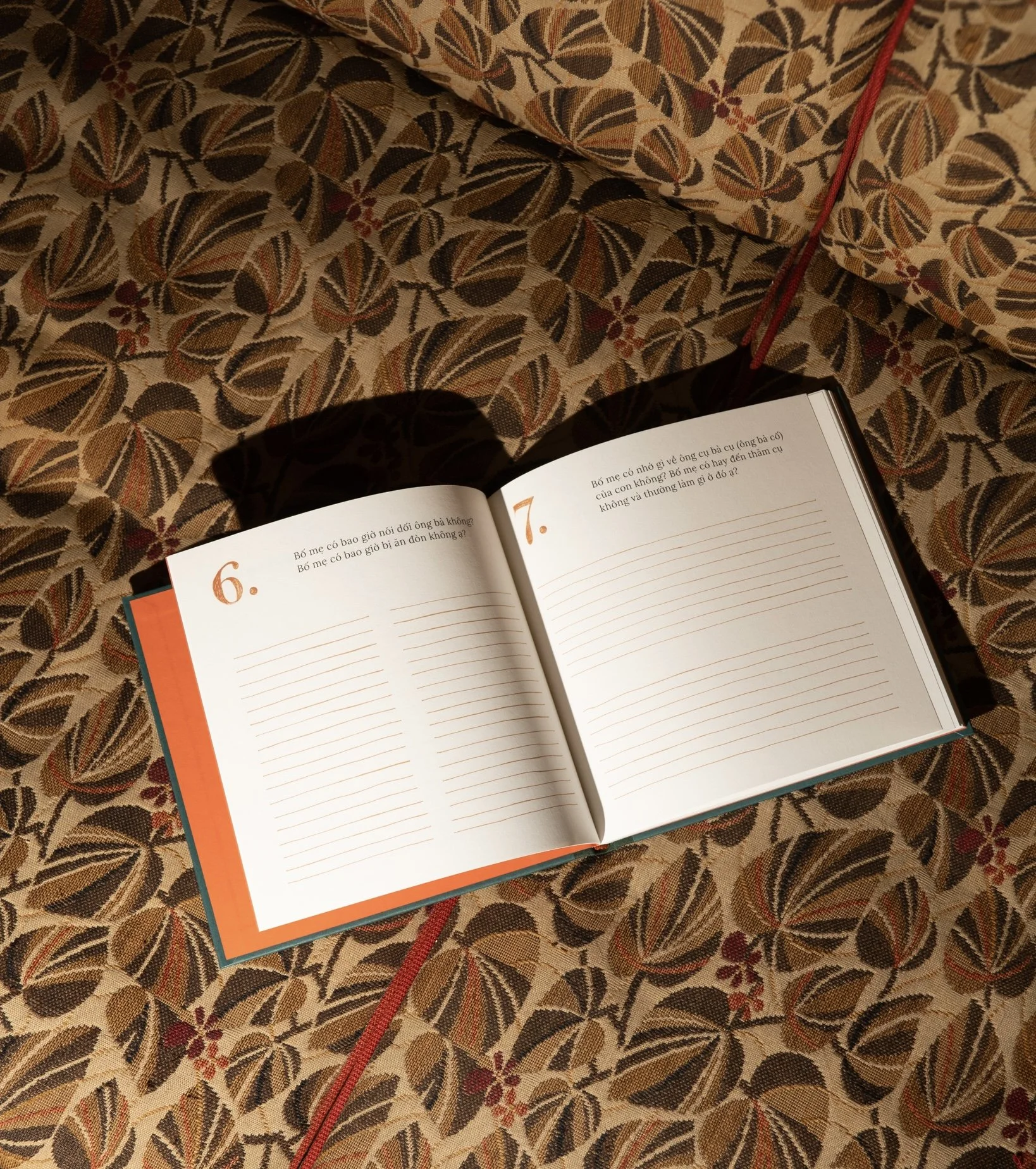
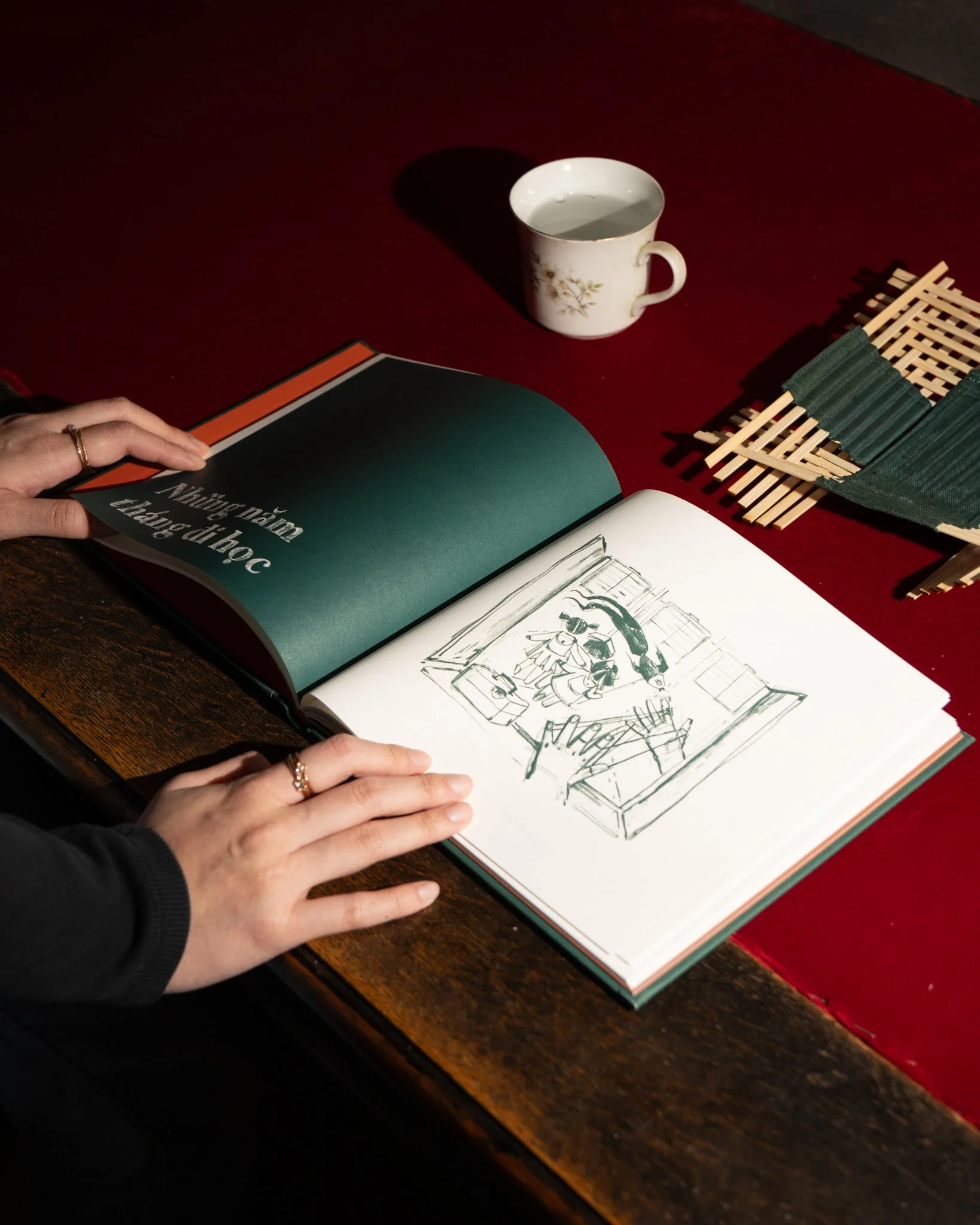
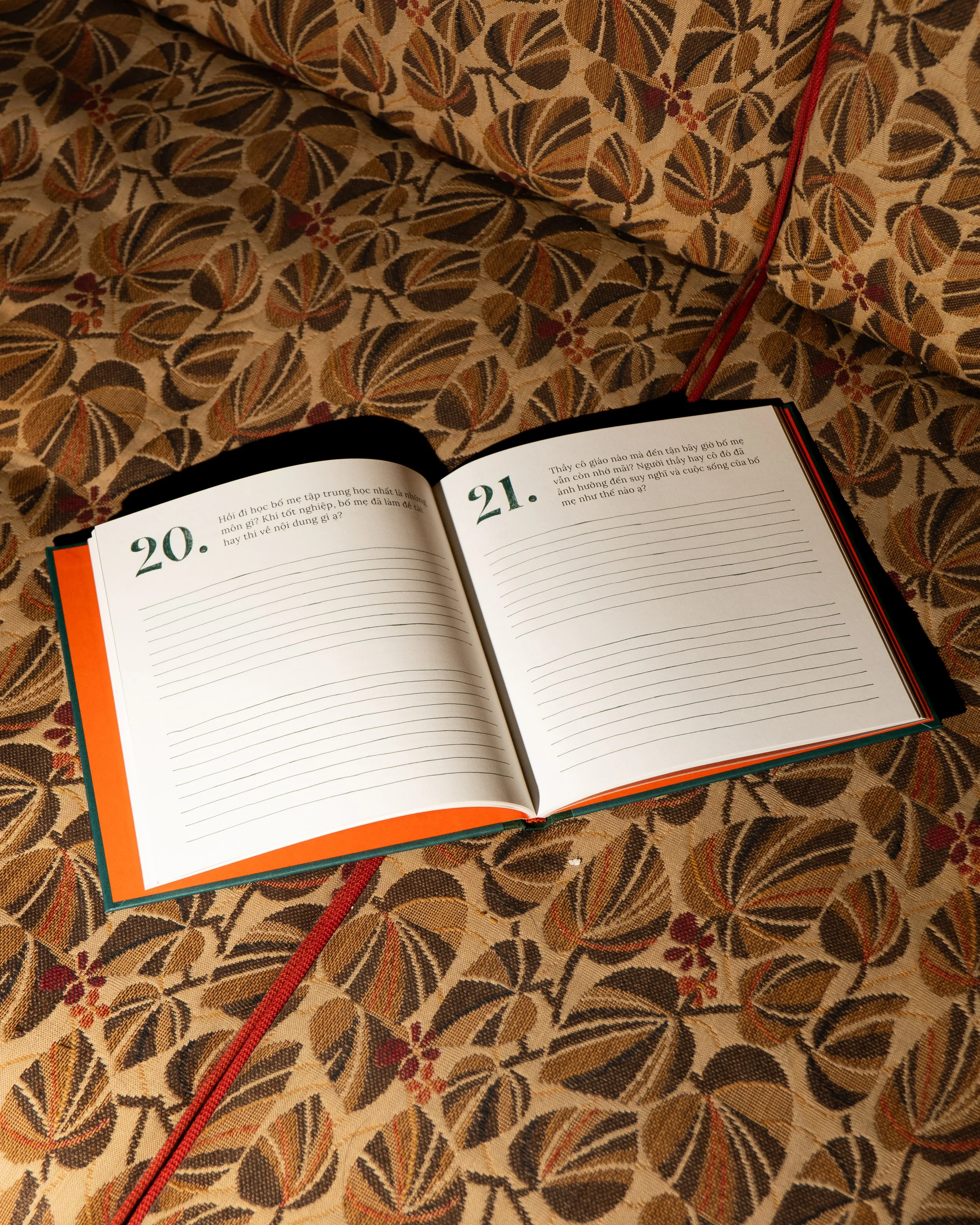
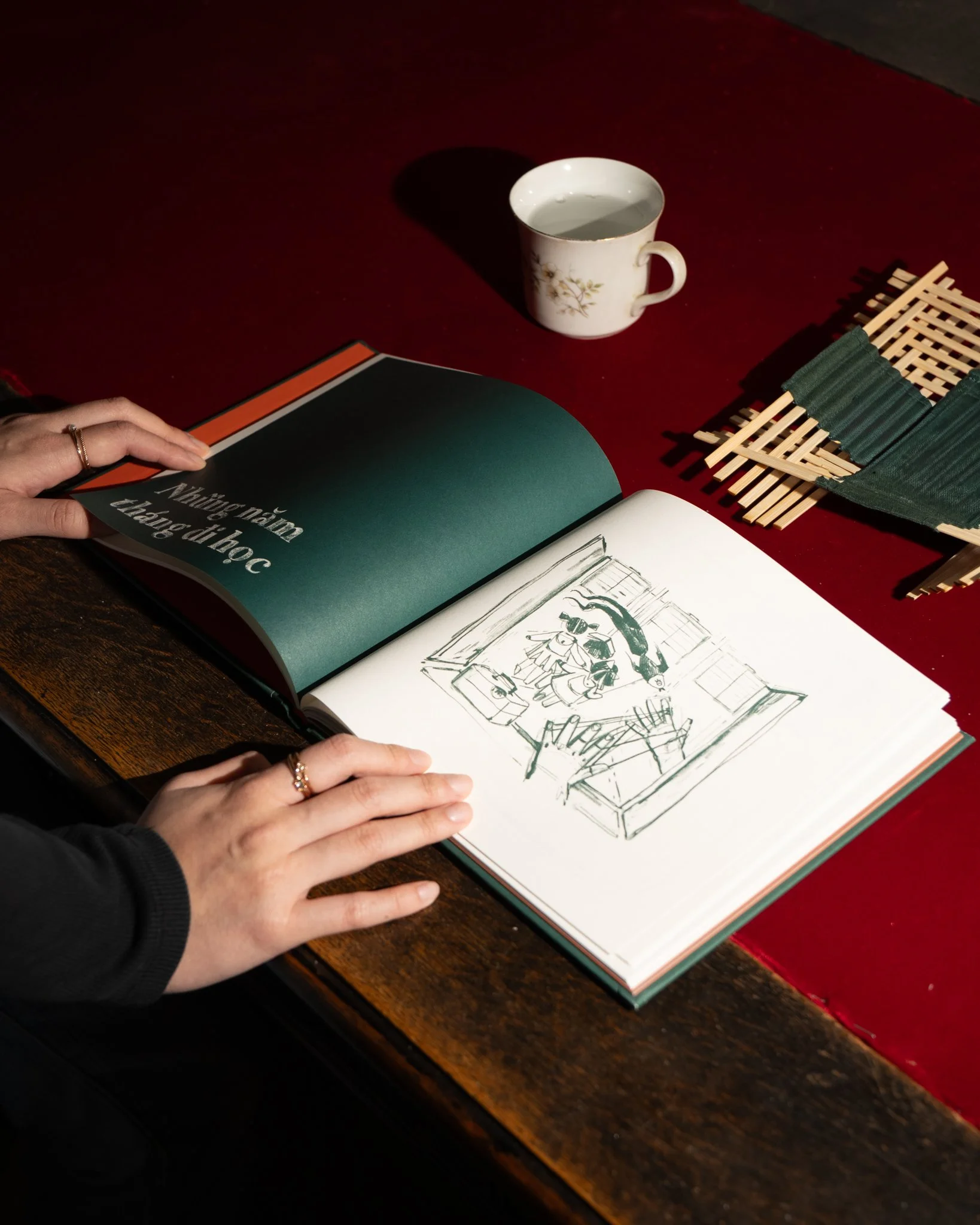
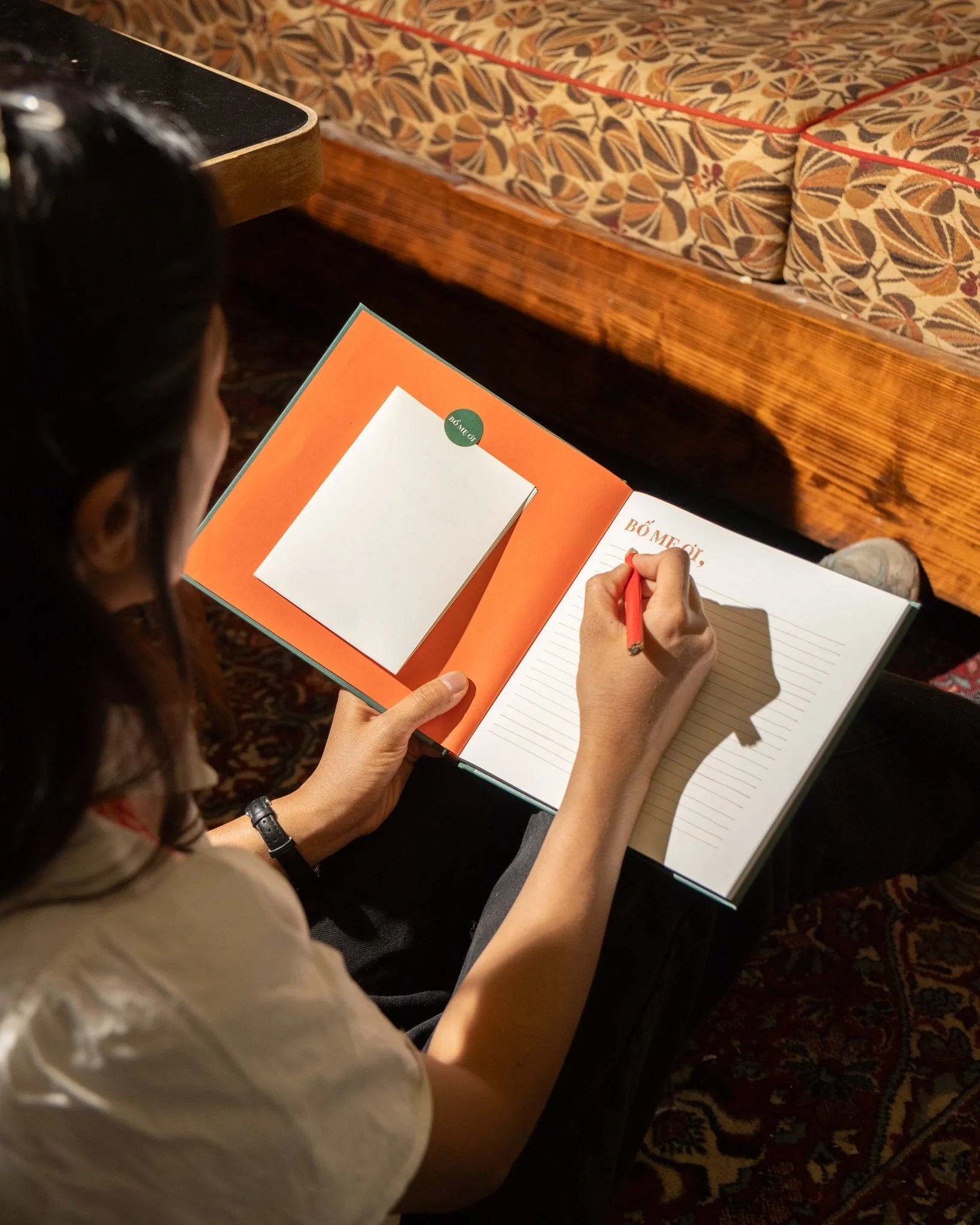
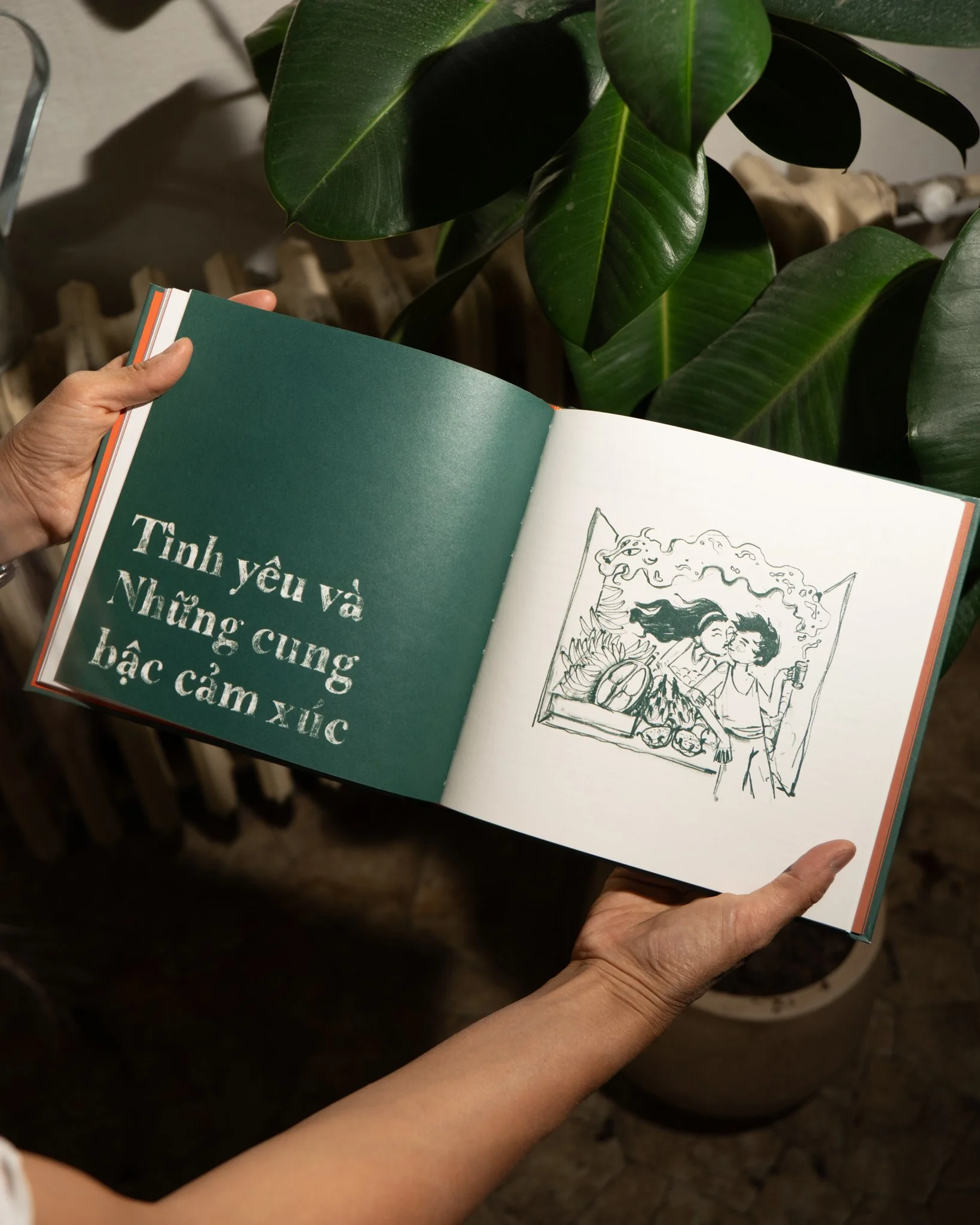
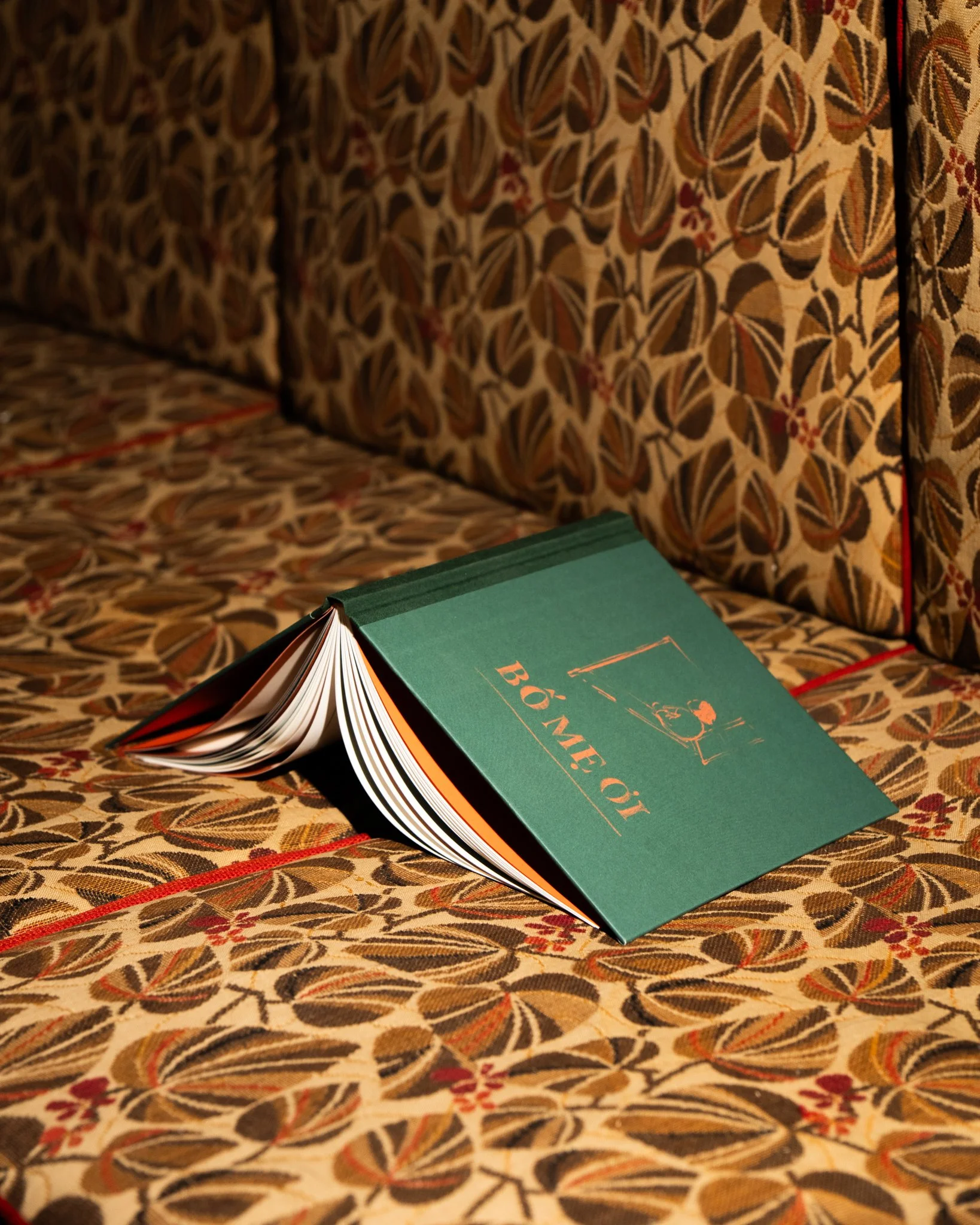
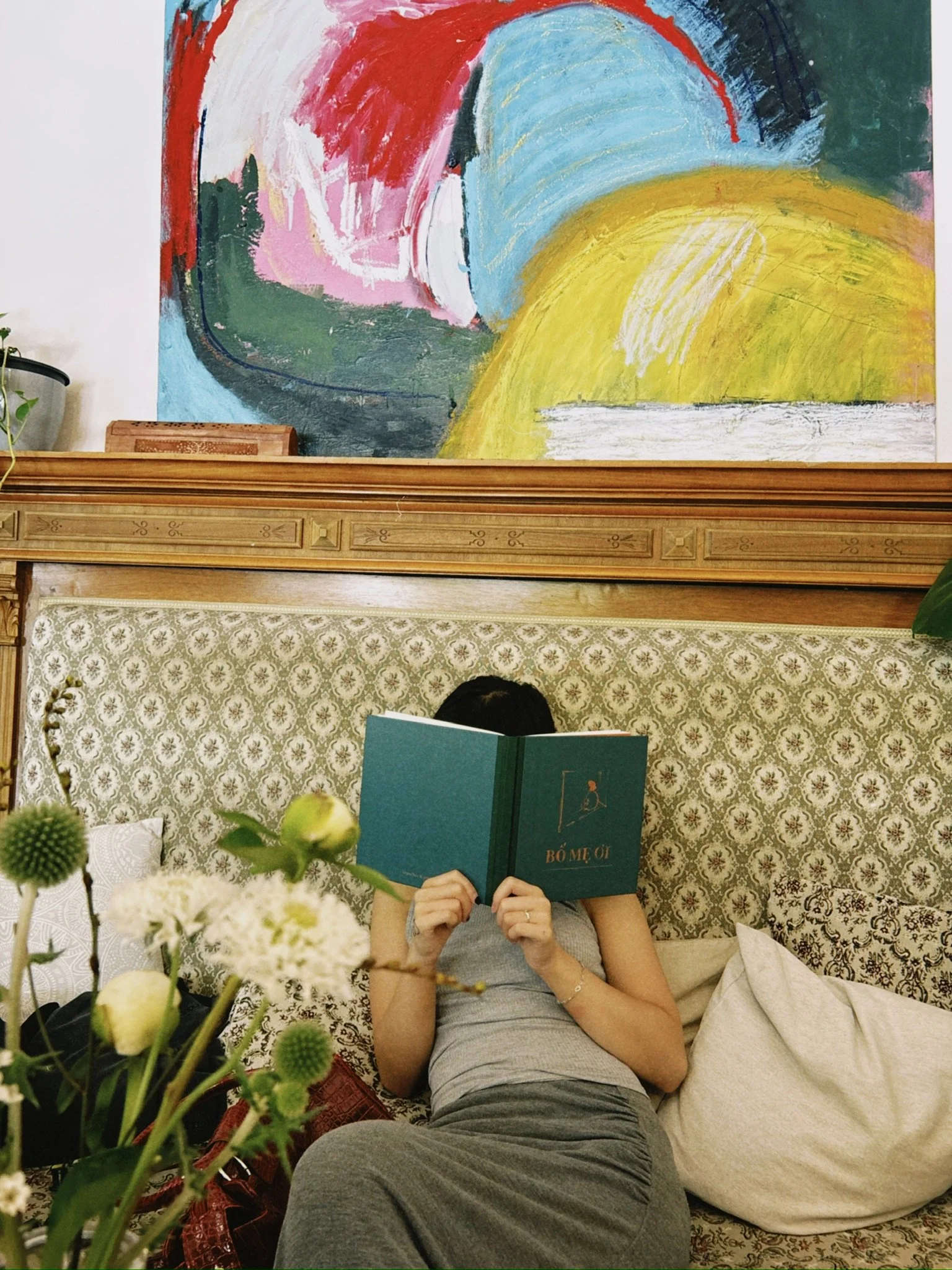
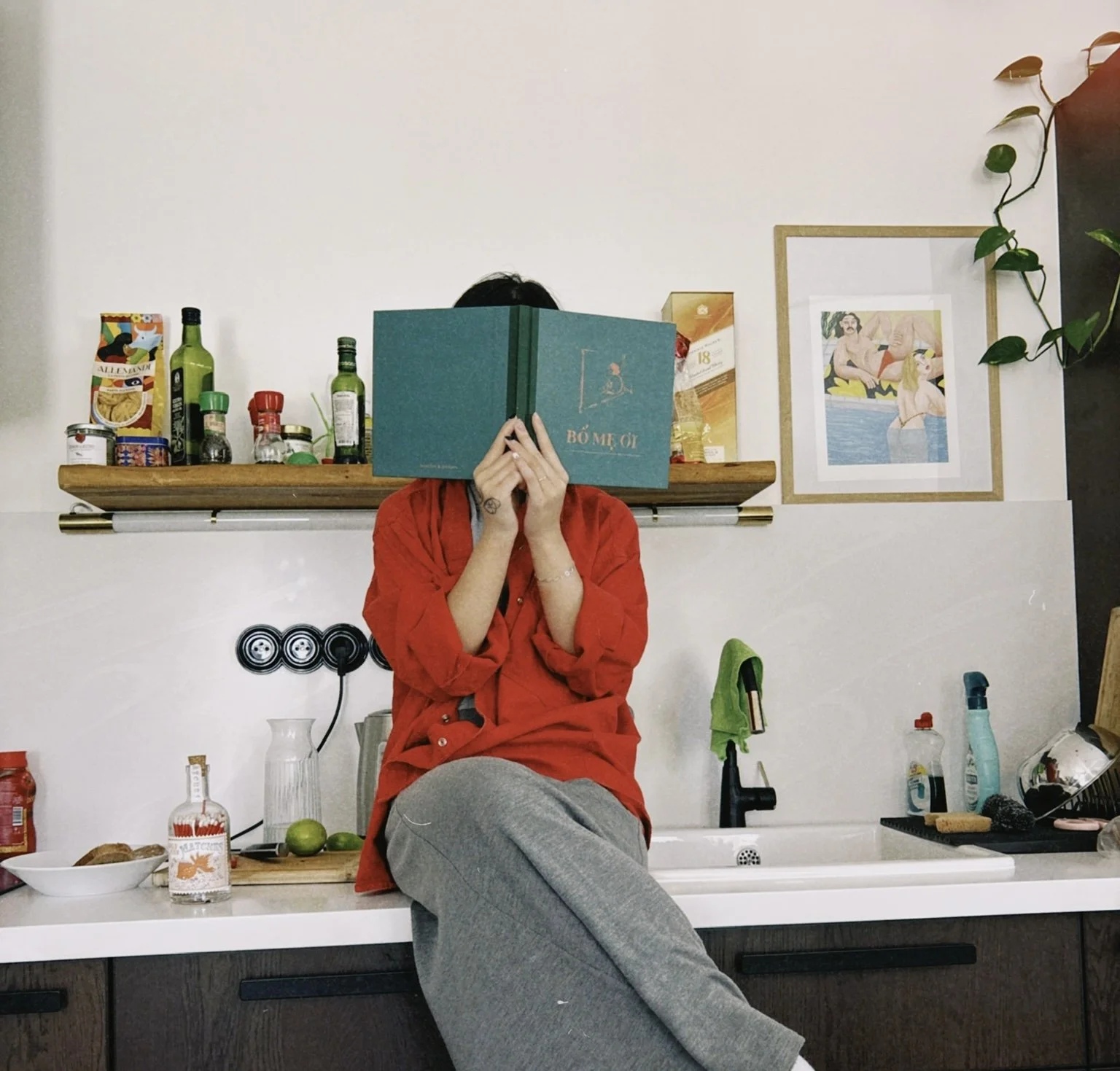
But with Thuy Linh Mai, founder of BỐ MẸ ƠI, a guided journal created to help families begin conversations many of us have never known how to start.
As Linh shared more about growing up in the Czech Republic, we found ourselves learning about an entire Vietnamese community whose story deserves to be told.
Not because it is unique.
But because it feels remarkably familiar.
It is a story about parents who left home to build another.
About children who grew up between languages.
About communities preserving culture while creating something entirely their own.
And throughout our conversation, one thought kept returning.
"Our parents had entire lives before they became our parents."— Thuy Linh Mai
It is a simple sentence.
But perhaps it explains more than history ever could.
Because this isn't only the story of Vietnamese people in the Czech Republic.
It is the story of what happens when generations grow up between cultures.
When children inherit the outcomes of sacrifice, but not always the stories behind it.
And what began as a conversation about a journal slowly became a conversation about an entire community.
The Children Who Arrived First
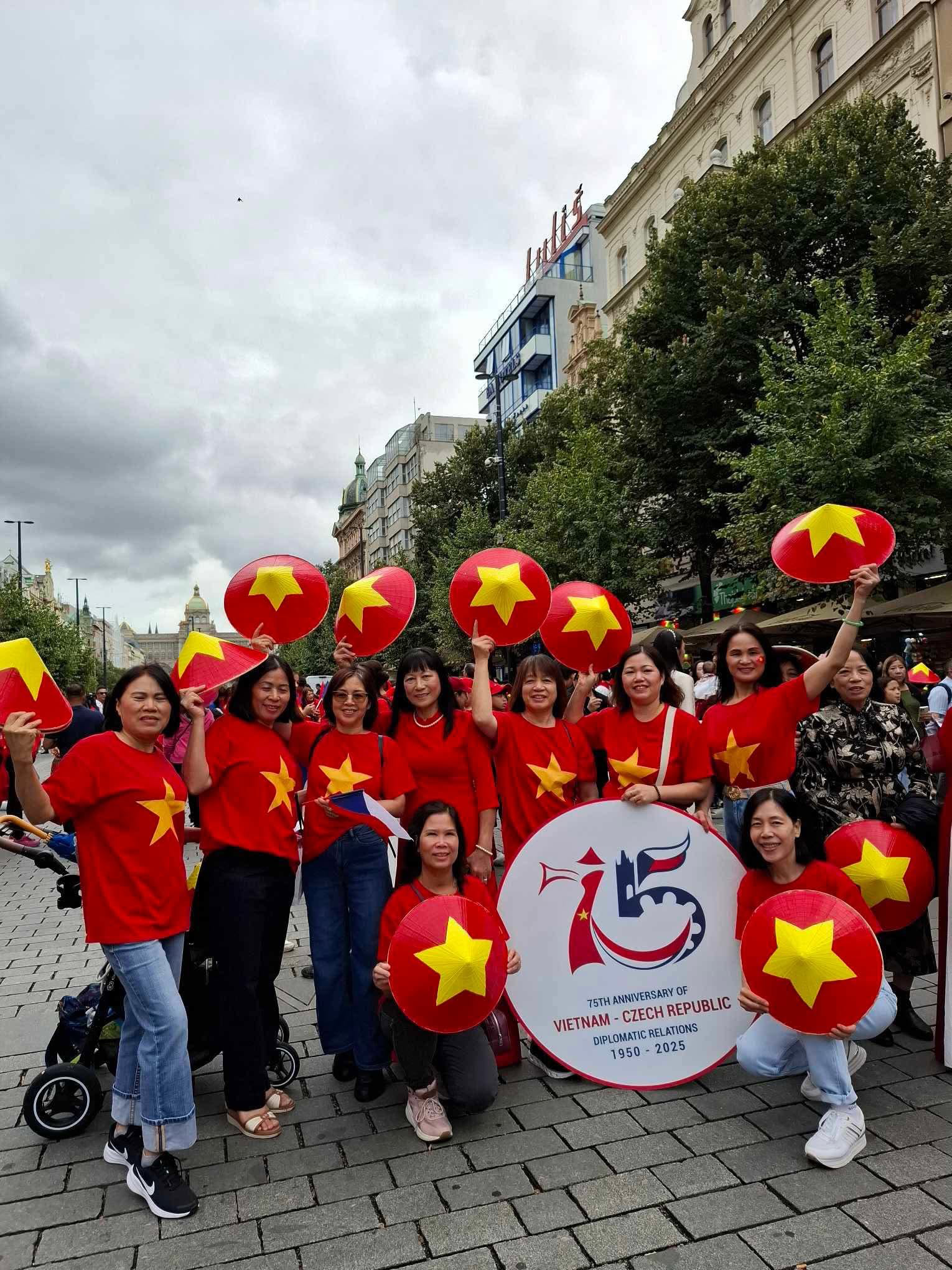
The Vietnamese presence in former Czechoslovakia dates back to the early years following the establishment of diplomatic relations between the two countries in 1950.
One of the earliest and most symbolic moments came in 1956, when Czechoslovakia welcomed approximately one hundred Vietnamese children between the ages of eight and thirteen.
Many had been orphaned or displaced during the First Indochina War.
They became known as the Chrastava Children, named after the northern Czech town where they were cared for and educated.
Their arrival did not yet represent the Vietnamese community we know today.
But it became one of the earliest threads connecting Vietnam and Czechoslovakia.
Throughout the decades that followed, additional agreements between the two governments brought Vietnamese students, apprentices, and skilled workers to Czechoslovakia through educational exchanges and labor programs.
Many came believing their stay would only last a few years.
History had other plans.
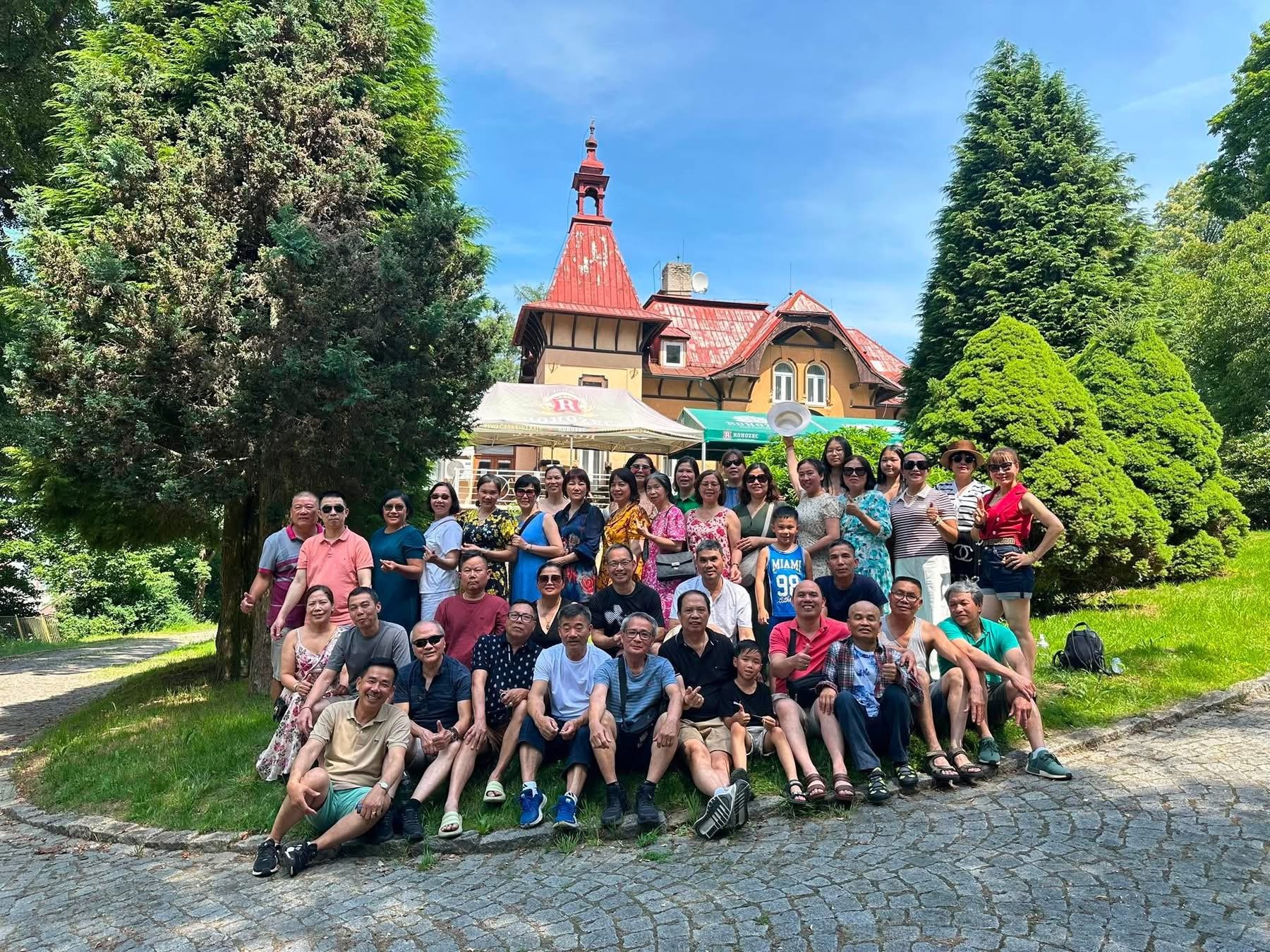
The political transformation of 1989 changed the trajectory of countless Vietnamese families. While many returned home, others chose to remain, opening small businesses, raising children, and slowly building permanent lives in a country that had never originally been intended as their final destination.
Markets became gathering places.
Corner stores became family businesses.
Restaurants introduced Czech neighborhoods to Vietnamese cuisine.
Little by little, temporary migration became community.
In 2013, the Vietnamese community received official recognition as one of the Czech Republic's national minority groups, acknowledging decades of contribution to Czech society.
Recognition, however, only tells part of the story.
Communities are not built through legislation.
They are built through ordinary moments that history books rarely record.
Packing lunches before sunrise.
Working weekends without complaint.
Calling relatives back home after twelve hour shifts.
Saving money for a child's education instead of taking a holiday.
Teaching respect through quiet actions rather than long conversations.
Holding onto traditions while adapting to a new country.
These are the moments that shape generations.
They are also the moments many children never fully understand until much later in life.
When we asked Linh what it felt like growing up Vietnamese in the Czech Republic, her answer wasn't about history.
It was about growing up between two worlds.
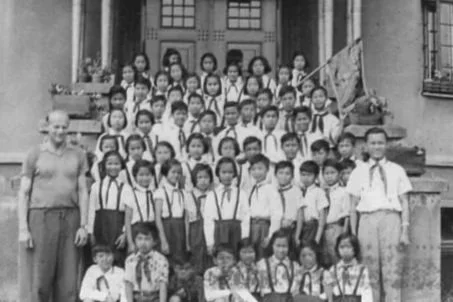
The Vietnamese presence in former Czechoslovakia dates back to the early 1950s.
One of the most significant moments came in 1956, when Czechoslovakia welcomed around 100 Vietnamese war orphans, later known as the Chrastava Children.
It marked the beginning of a community that continues to grow today.
Growing Up Between Two Worlds
For many second generation Vietnamese growing up in the Czech Republic, home was never one place.
It was two languages.
Two sets of expectations.
Two versions of yourself.
At school, you spoke Czech.
At home, you switched to Vietnamese.
Sometimes fluently.
Sometimes awkwardly.
Sometimes only through fragments you hoped were enough.
Research on second generation Vietnamese Czechs describes this experience as an ongoing negotiation between cultures, identities, and the desire to belong. Many grew up feeling that they were never completely one thing or the other.
Too Vietnamese in one room.
Too Czech in another.
When we asked Linh about this experience, she smiled.
It wasn't a feeling she needed research to explain.
It was simply how she grew up.
"Growing up, we were always moving between two worlds. Czech at school. Vietnamese at home. You learn to navigate both, even if you never feel completely one or the other."— Thuy Linh Mai
Perhaps the more difficult realization comes later.
As children, we often understand what our parents did.
We know they worked long hours.
We know they wanted us to study.
We know they rarely spent money on themselves.
What we often don't understand is why.
We inherit the outcome of their sacrifices without inheriting the stories behind them.
We know our parents owned a shop.
We may never know the career they dreamed of before migration.
We know they worked every weekend.
We may never know the friendships they slowly lost while building a new life.
We know they wanted something better for us.
We rarely ask what "better" cost them.
Perhaps that's because many Vietnamese parents were never taught to speak about themselves.
Love was expressed through action.
A bowl of fruit cut after dinner.
Extra hours at work.
Making sure your tuition was paid.
Saving the best piece of fish for someone else.
As many of us grow older, especially after becoming parents ourselves, those gestures begin to feel different.
Sacrifice stops becoming an abstract word.
It becomes deeply personal.
You begin to understand that choosing your family sometimes means quietly letting go of another version of yourself.
A career.
A hometown.
Friends.
Dreams.
A simpler life.
During our conversation, Linh returned to a thought that had quietly shaped bố mẹ Ơi.
Not that our parents sacrificed.
We already know that.
It was that we often don't know what they sacrificed.
What dreams never happened?
What opportunities disappeared?
What version of themselves quietly stayed behind so another generation could move forward?
Those questions stayed with us long after the interview ended.
And perhaps that is the quiet thread connecting Vietnamese communities across the world.
Whether in California.
Paris.
Melbourne.
Berlin.
Or Prague.
Many of us eventually arrive at the same realization.
There is still so much we don't know about the people who raised us.
A New Generation Building Community
History tells us how a community begins.
The next generation tells us where it's going.
Today, Vietnamese Czechs are creating spaces their parents never had.
Not because they are trying to preserve Vietnamese culture exactly as it was.
But because they are asking what Vietnamese identity can become after growing up somewhere else.
Rather than choosing between cultures, they are creating something entirely their own.
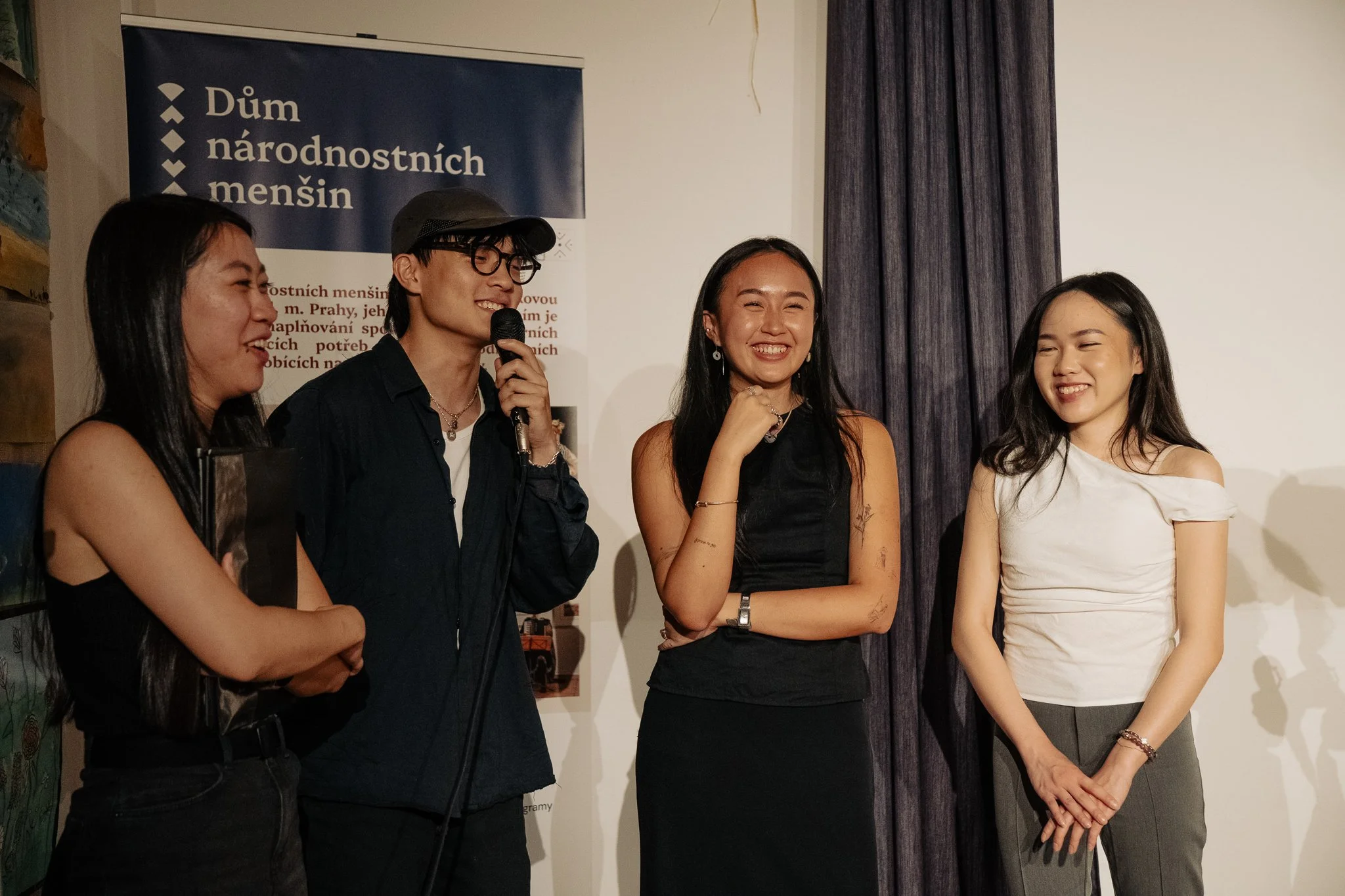
Across Prague and beyond, artists, organizers, filmmakers, educators, musicians, and community leaders are building spaces where Vietnamese identity is explored with honesty, creativity, and pride.
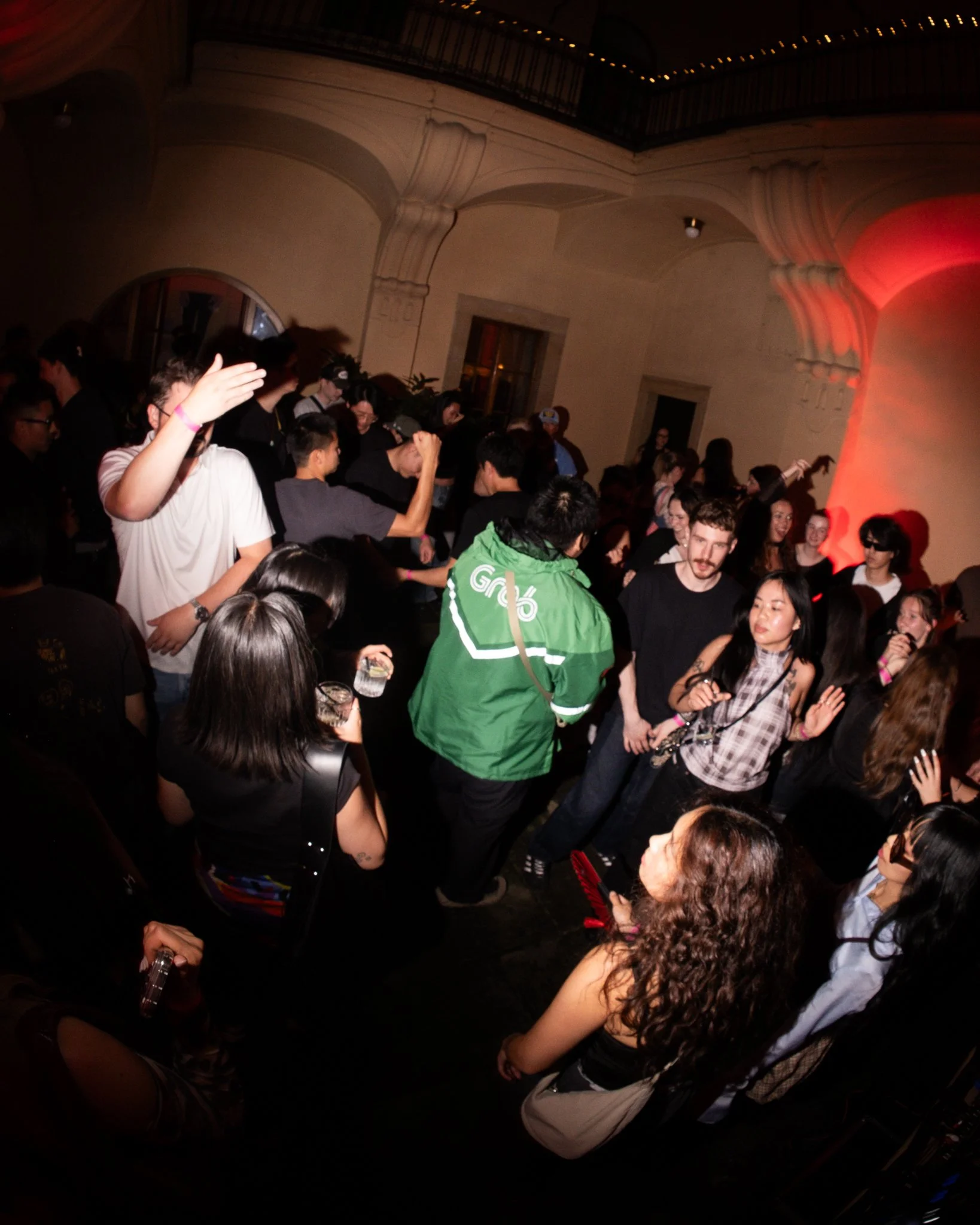
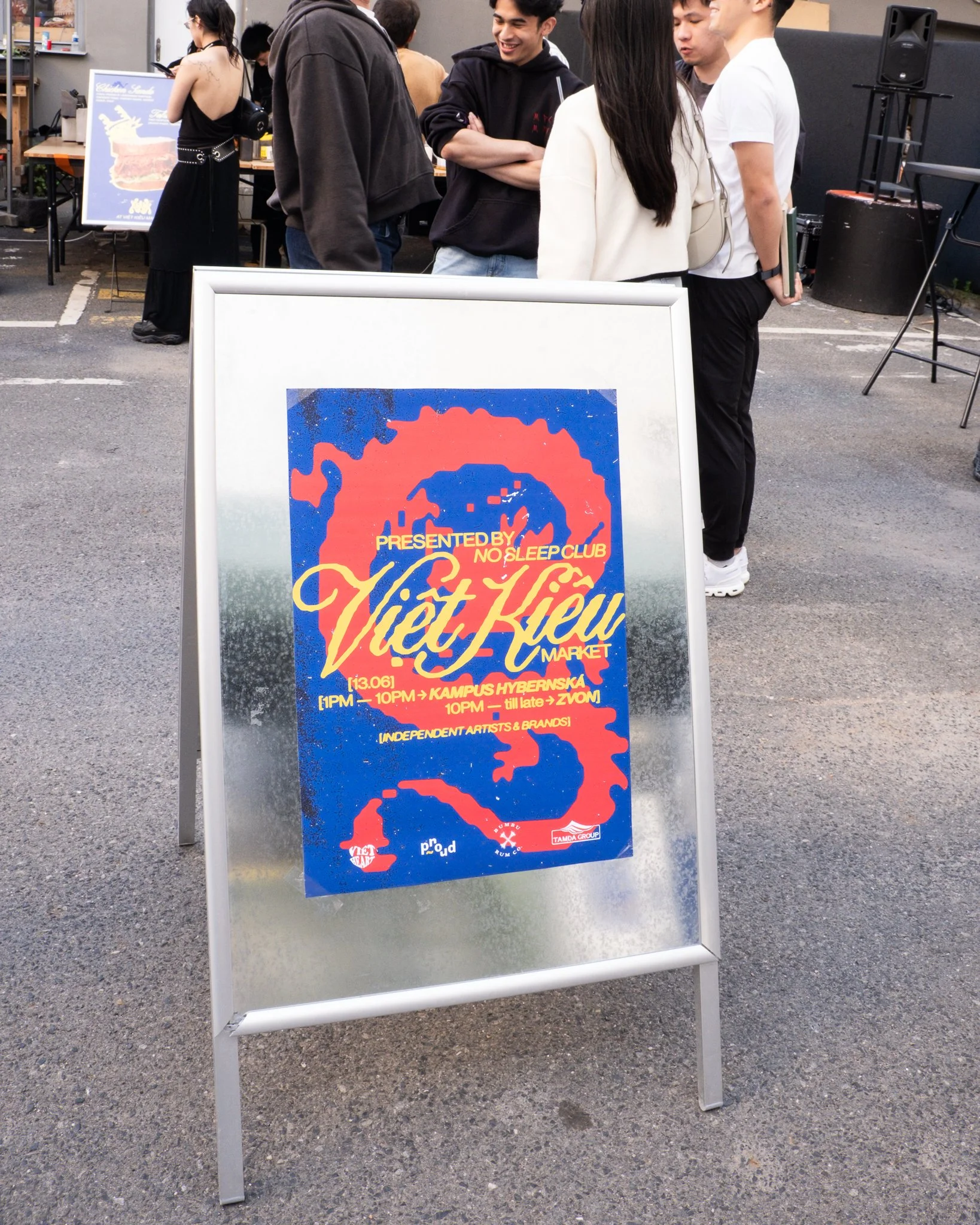
One example is No Sleep Club Prague, a collective of DJs and creatives behind Việt Kiều Market, bringing together independent artists, designers, food concepts, musicians, and small businesses from across the Vietnamese diaspora.
The market is more than a shopping event.
It has become a gathering place.
A place where younger generations can see themselves reflected not only through tradition, but through contemporary art, music, fashion, and creativity.
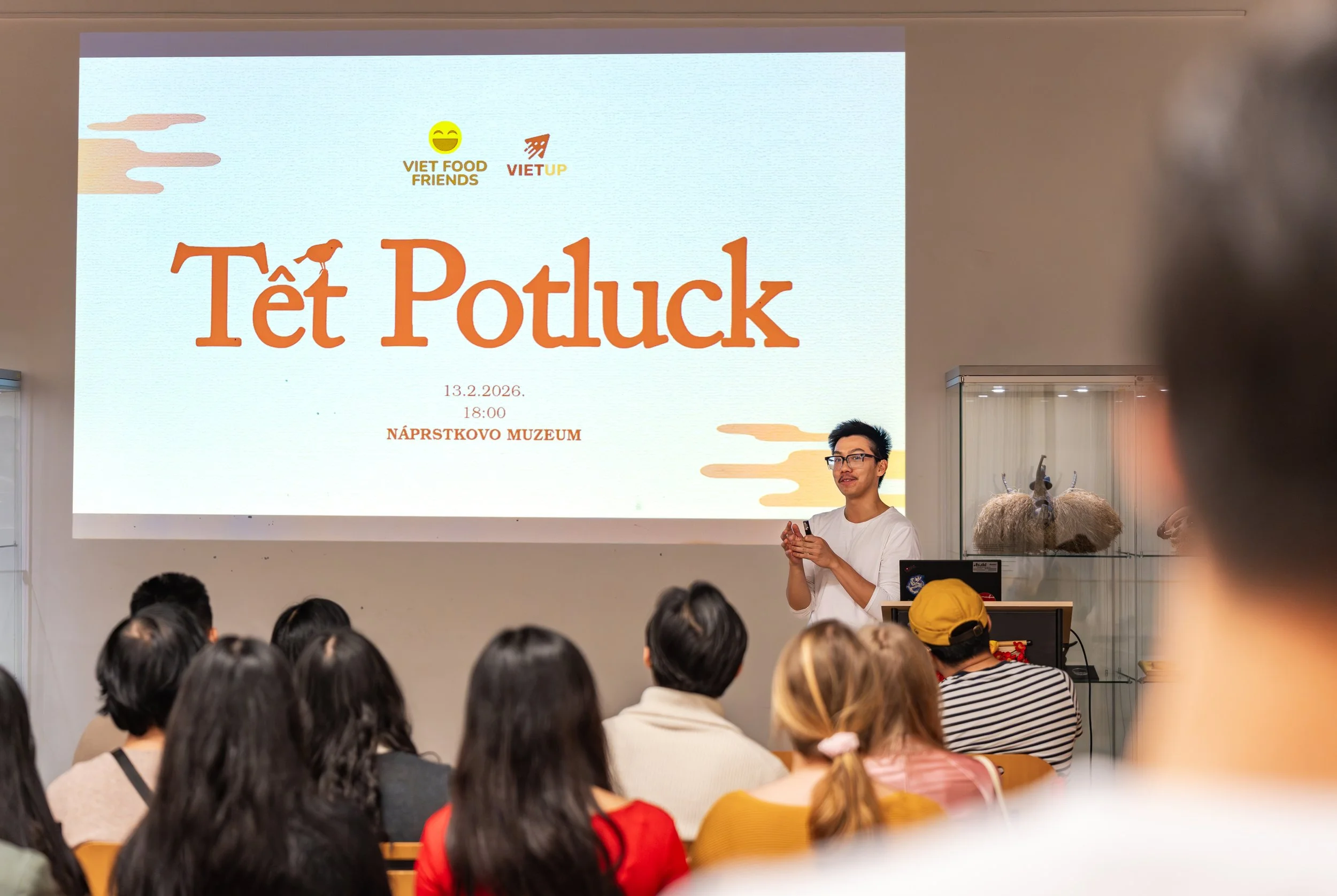
Organizations like Viet Up continue connecting younger generations of Vietnamese Czechs through education, cultural programming, exhibitions, and community initiatives.
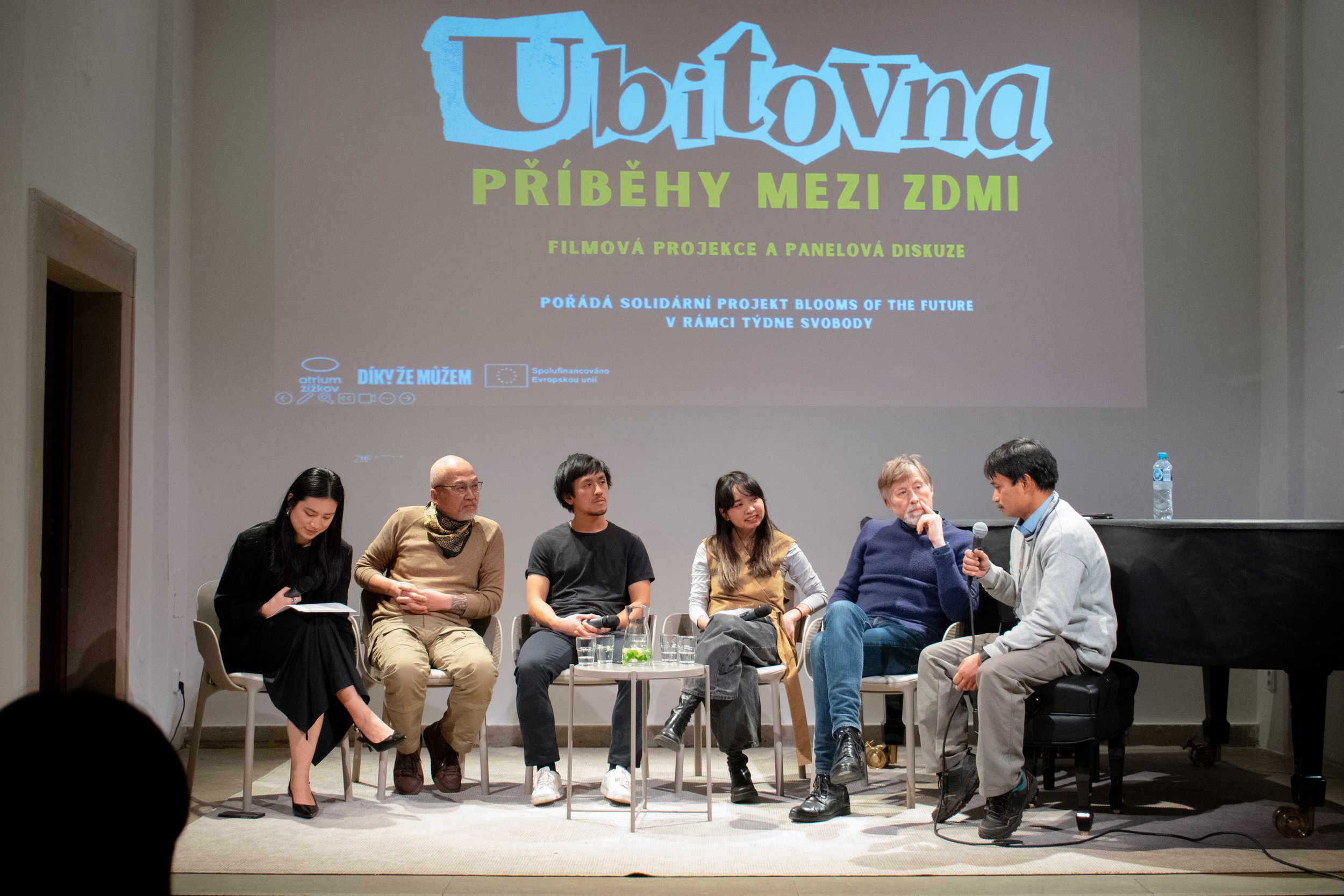
Projects like Blooms of the Future explore Vietnamese identity through storytelling, memory, and everyday experiences, creating space for conversations about family, belonging, and what it means to inherit more than one culture.
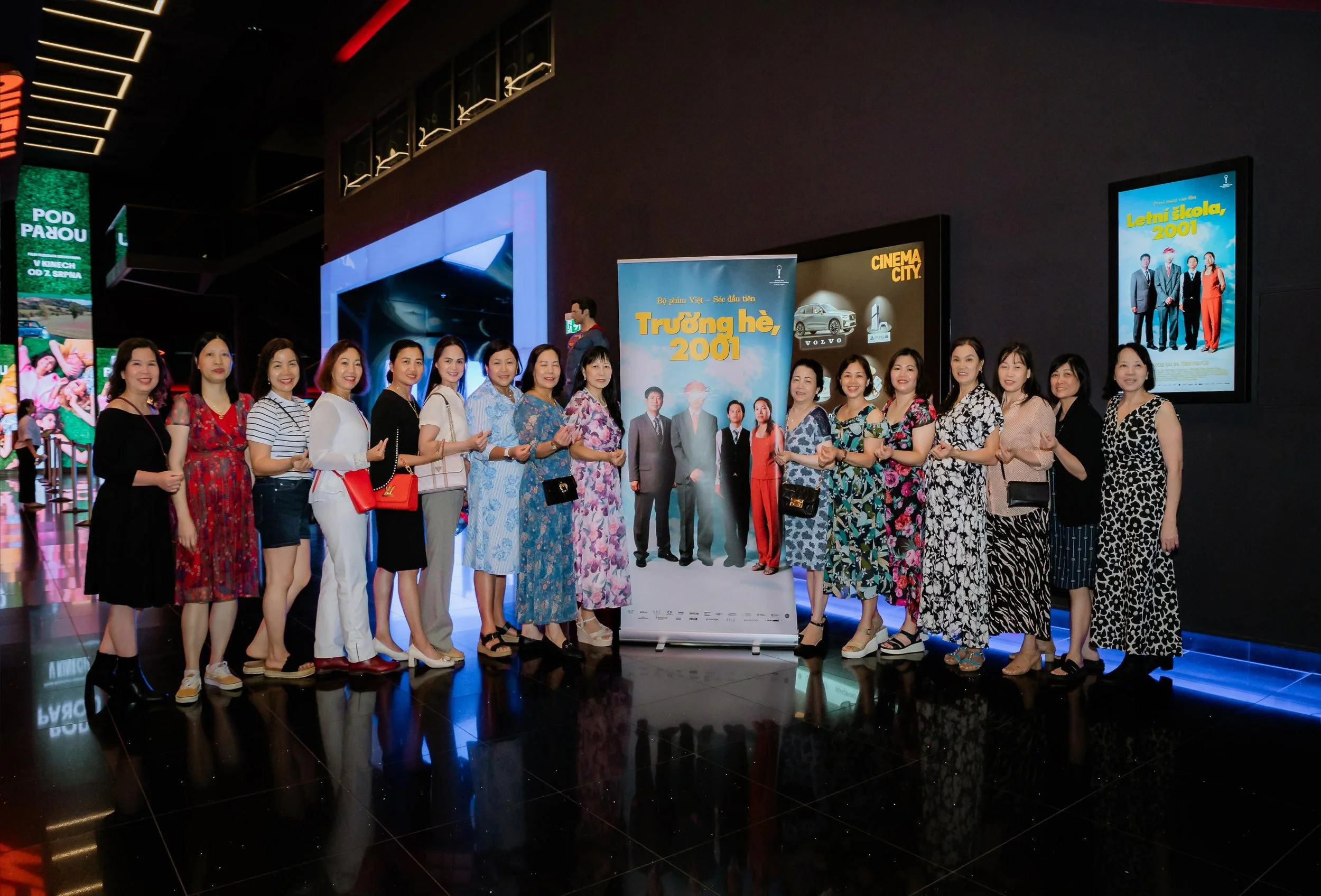
Then there is Summer School, 2001.
Directed by Dužan Duong, it became the first Czech Vietnamese feature film, bringing Vietnamese Czech family life to the center of Czech cinema.
In 2026, actor Dũng Nguyễn became the first actor of Vietnamese heritage to win a Czech Lion Award for his performance in the film, marking a milestone for Vietnamese representation in Czech cinema.
The film's success wasn't only a win for cinema.
It was a reminder that Vietnamese stories belong on the national stage.
Together, these projects reveal something beautiful.
The second generation is no longer asking for permission to belong.
They are documenting their own stories.
Creating their own spaces.
Building community on their own terms.
As we spoke with Linh, it became clear that BỐ MẸ ƠI, belongs within that same movement.
Not because it tells the story of the Vietnamese community in the Czech Republic.
But because it invites families to preserve the stories that make every community possible.
The Stories We Never Asked About
Throughout our conversation, one question kept resurfacing.
Not because Linh planned it.
But because it seemed to sit quietly beneath everything she shared.
Who were our parents before they became our parents?
For many of us, it's a question we never think to ask.
Not because we don't care.
Because life gets in the way.
Our parents are busy working.
We're busy growing up.
Then one day, we realize we've spent years knowing our parents as parents, but very little about the people they were before us.
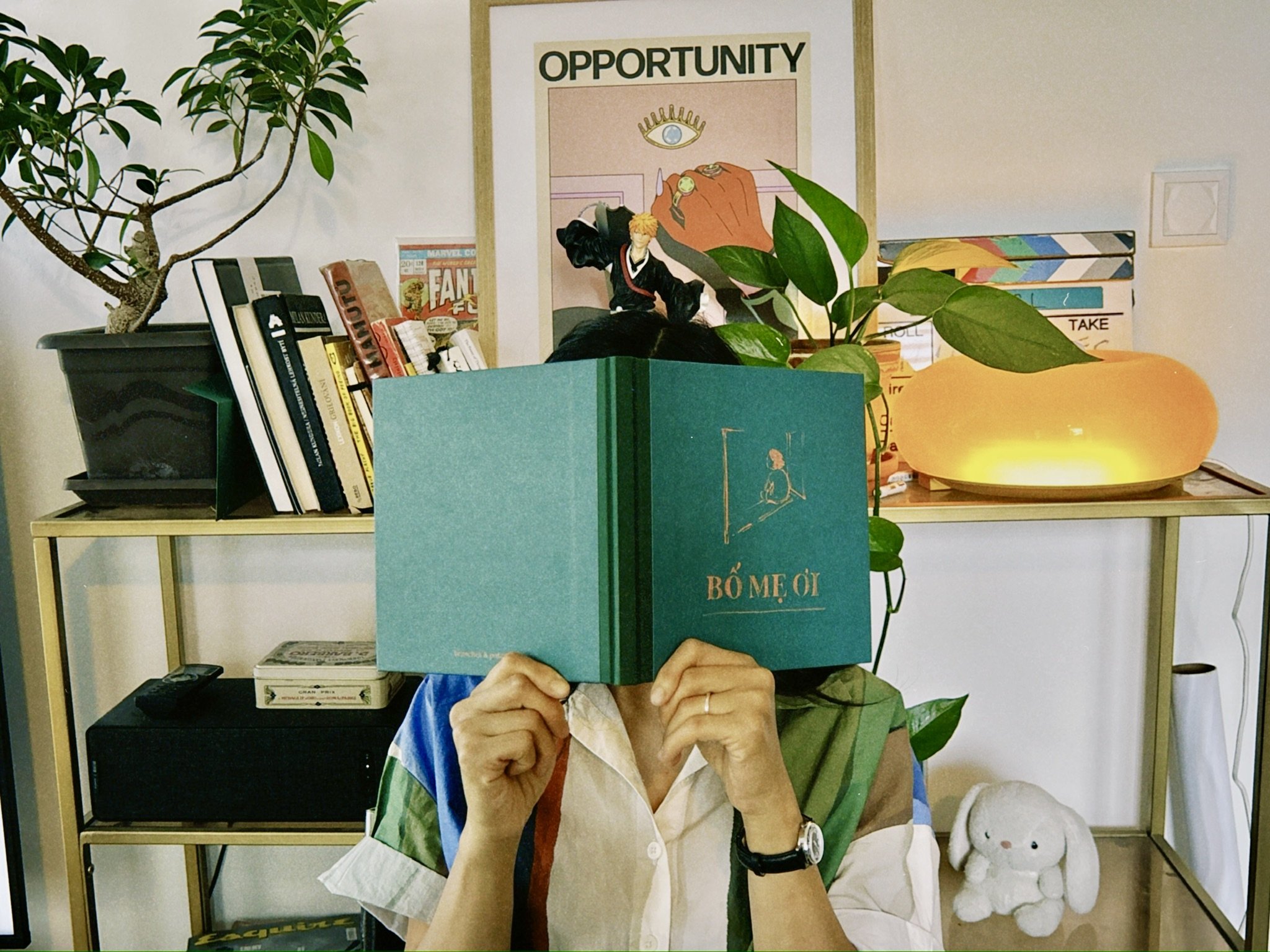
When we asked Linh what first inspired BỐ MẸ ƠI, her answer wasn't about publishing.
It wasn't about creating a product.
It was about conversation.
Or rather, the conversations so many Vietnamese families never have.
She told us something that quietly stayed with us throughout this interview.
"The irony is that while our parents have spent decades taking care of us, many of us have never asked them one simple question.
Who were you before you became my parent?"
— Thuy Linh Mai
That question eventually became the foundation for BỐ MẸ ƠI.
Not simply as a journal.
But as an invitation.
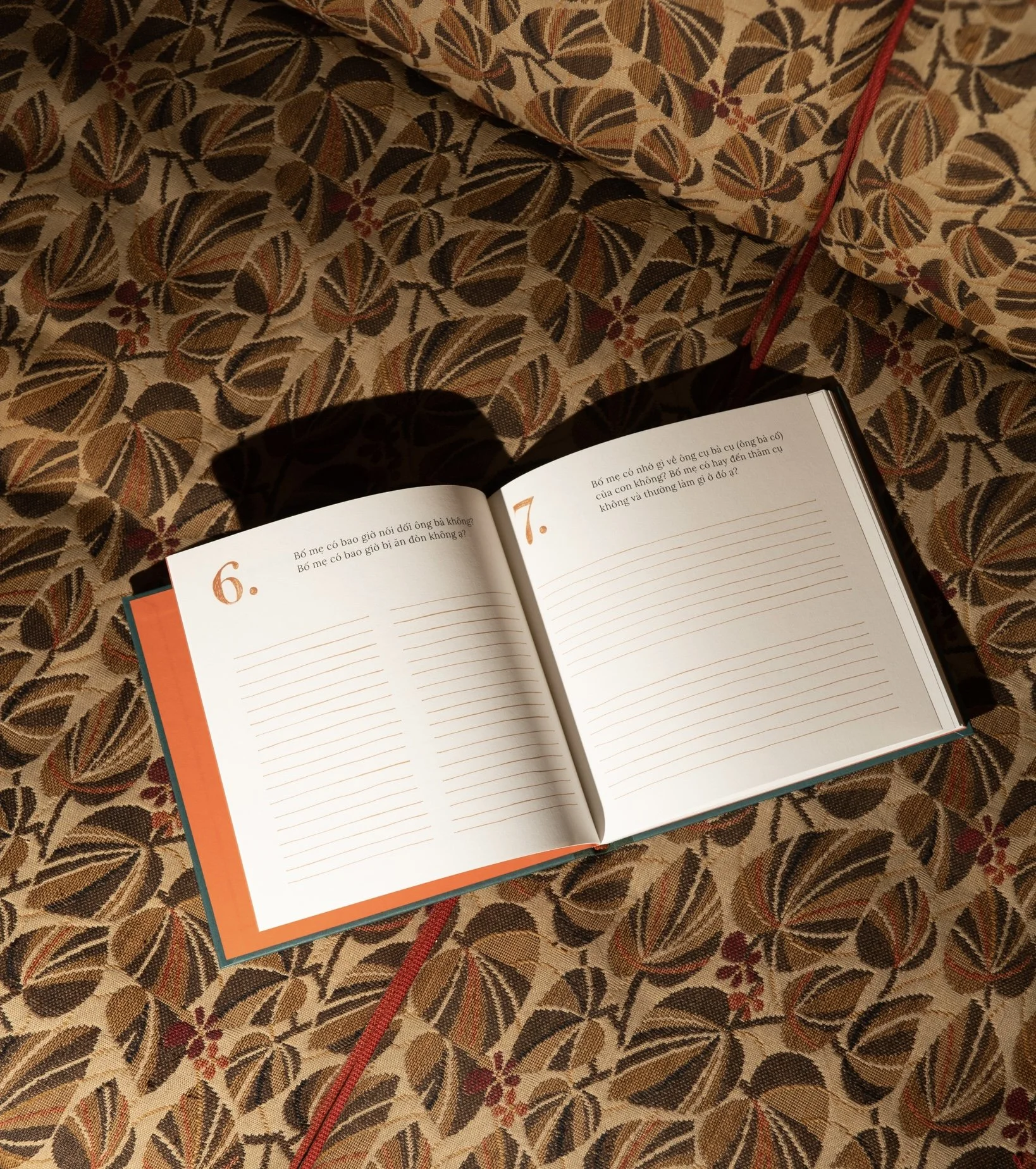
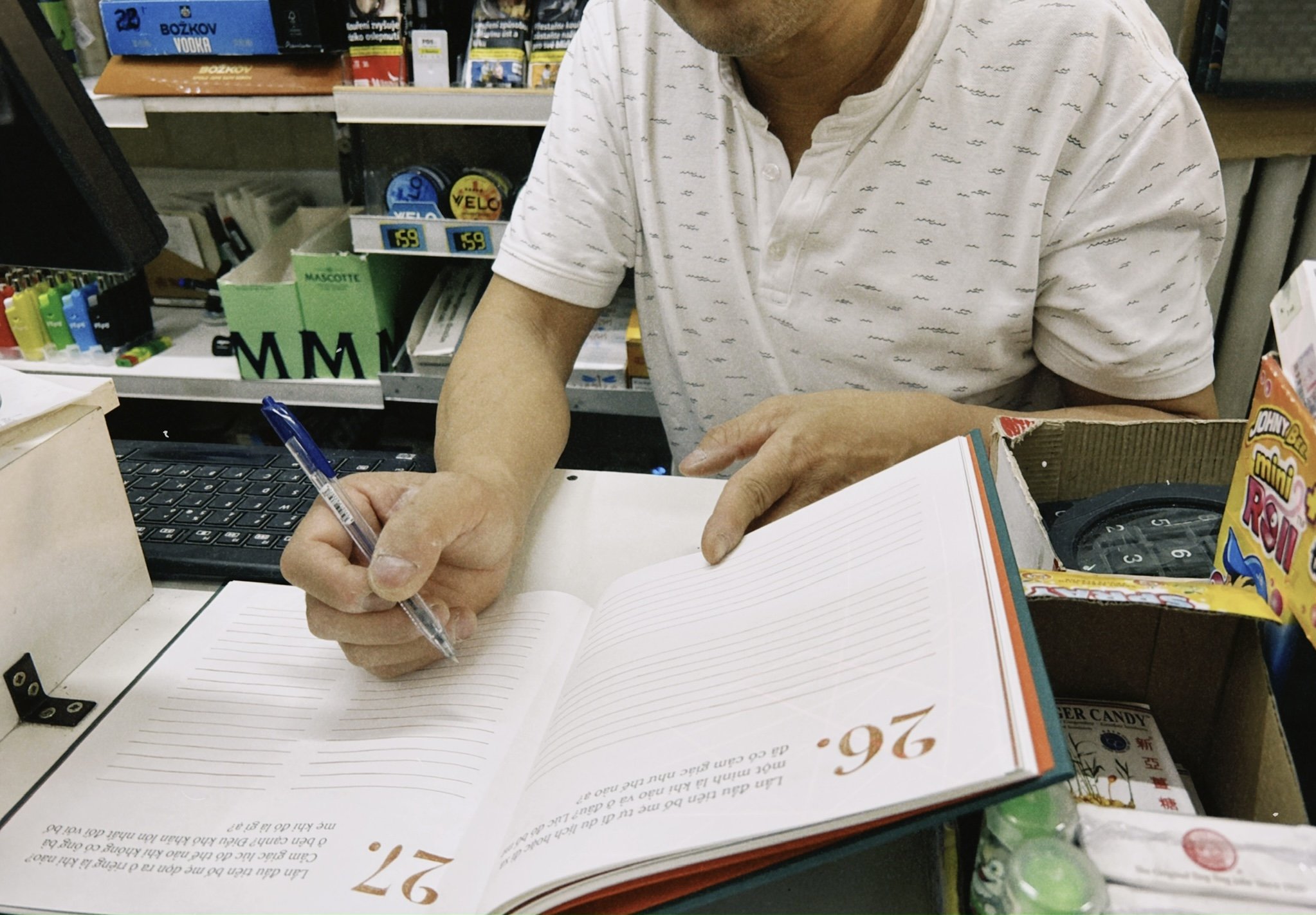
Its pages aren't designed to produce perfect answers.
They're designed to create moments.
Moments where conversations begin naturally.
Where memories surface unexpectedly.
Where parents become storytellers.
And children become listeners.
For many families, those conversations have simply never happened before.
Linh often describes the journal as a bridge.
Not because it promises to answer every question.
But because it gives families somewhere to begin.
One page.
One prompt.
One story at a time.
As our conversation continued, it became clear that BỐ MẸ ƠI wasn't only responding to a challenge within Vietnamese families in the Czech Republic.
It was responding to something much larger.
Across the Vietnamese diaspora, many of us are asking the same questions.
How do we preserve our family stories?
How do we better understand the people who raised us?
How do we ensure those memories don't disappear with time?
Perhaps that's why this journal resonates beyond one country.
It speaks to families in Germany.
France.
Australia.
Canada.
The United States.
Vietnam.
And anywhere else Vietnamese families have built a home.
Because every family carries stories.
Not every family has had the chance to tell them.
For many children of immigrants, those conversations become even more meaningful with age.
Especially after becoming parents ourselves.
There comes a moment when you stop asking only whether your parents sacrificed.
You begin wondering what they sacrificed.
What dreams quietly faded?
What opportunities never came?
What version of themselves did they leave behind so another generation could move forward?
Those questions rarely have simple answers.
But perhaps they don't need to.
Sometimes the value isn't in finding the perfect response.
It's in asking while we still can.
Our parents are aging.
Their memories are aging with them.
Every conversation we postpone is one we may never have.
Every story left untold is one that risks being lost forever.
Home Doesn't End at the Border
When we began this collaboration, we thought we were learning about a journal.
Instead, we found ourselves learning about an entire community.
A history stretching back generations.
A new generation creating spaces through music, film, education, storytelling, and community.
And one founder whose simple idea reminded us of something many of us had forgotten.
That our parents had lives before they became our parents.
The Vietnamese community in the Czech Republic may have its own history.
Its own traditions.
Its own journey.
But the questions it asks feel remarkably familiar.
How do we preserve our language?
How do we understand the sacrifices of those who came before us?
How do we carry our culture forward without losing ourselves along the way?
Those questions don't belong to one country.
They belong to all of us.
Perhaps that's the beauty of the Vietnamese diaspora.
No matter where our stories unfold, they continue to echo one another.
Across generations.
Across languages.
Across borders.
Home, after all, isn't simply where we begin.
It's something we continue to build together.
One conversation.
One story.
One generation at a time.
Because home doesn't end at the border.
Further Reading
If this story resonated with you, we encourage you to continue the conversation with the people closest to you.
BỐ MẸ ƠI
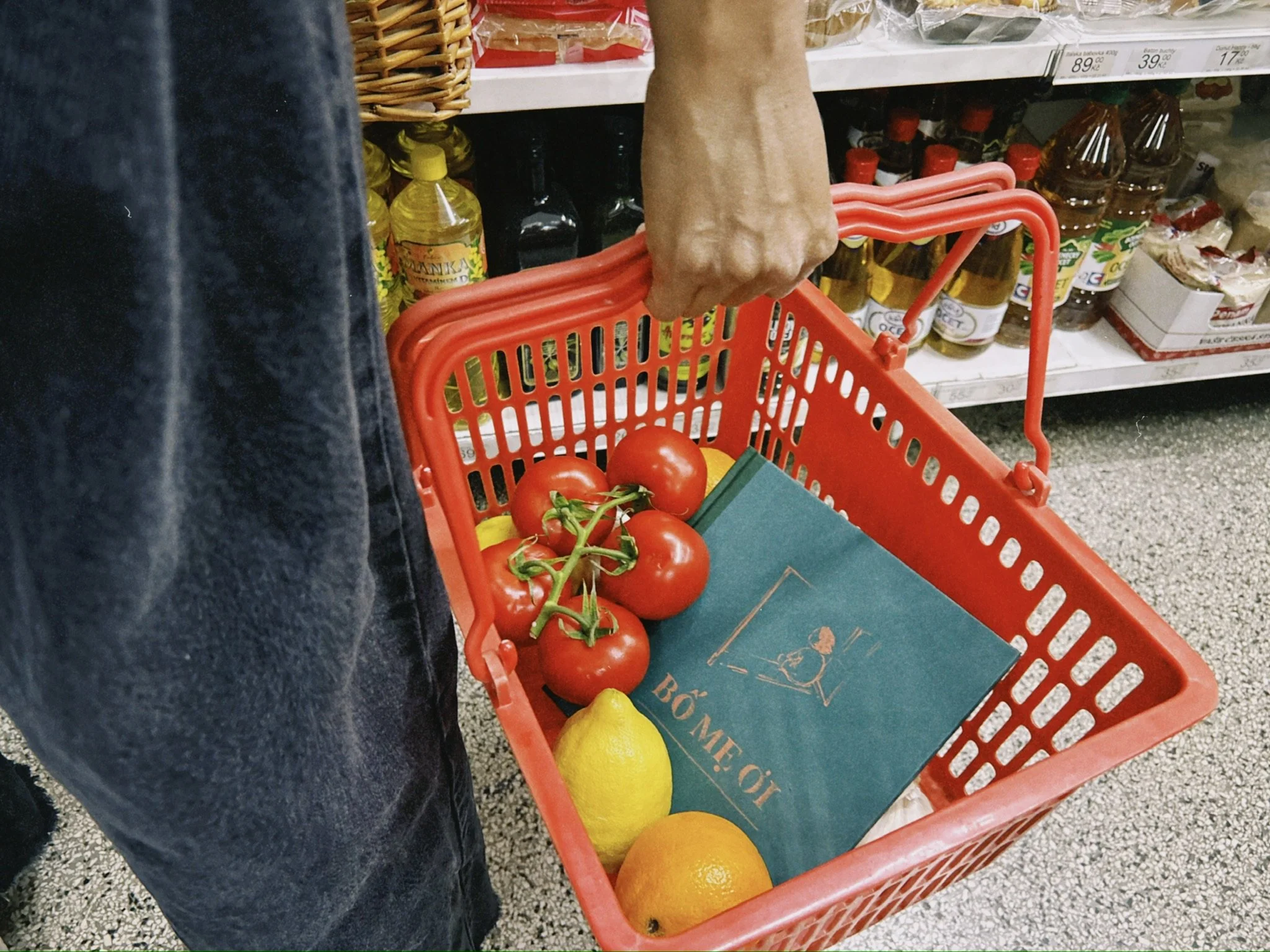
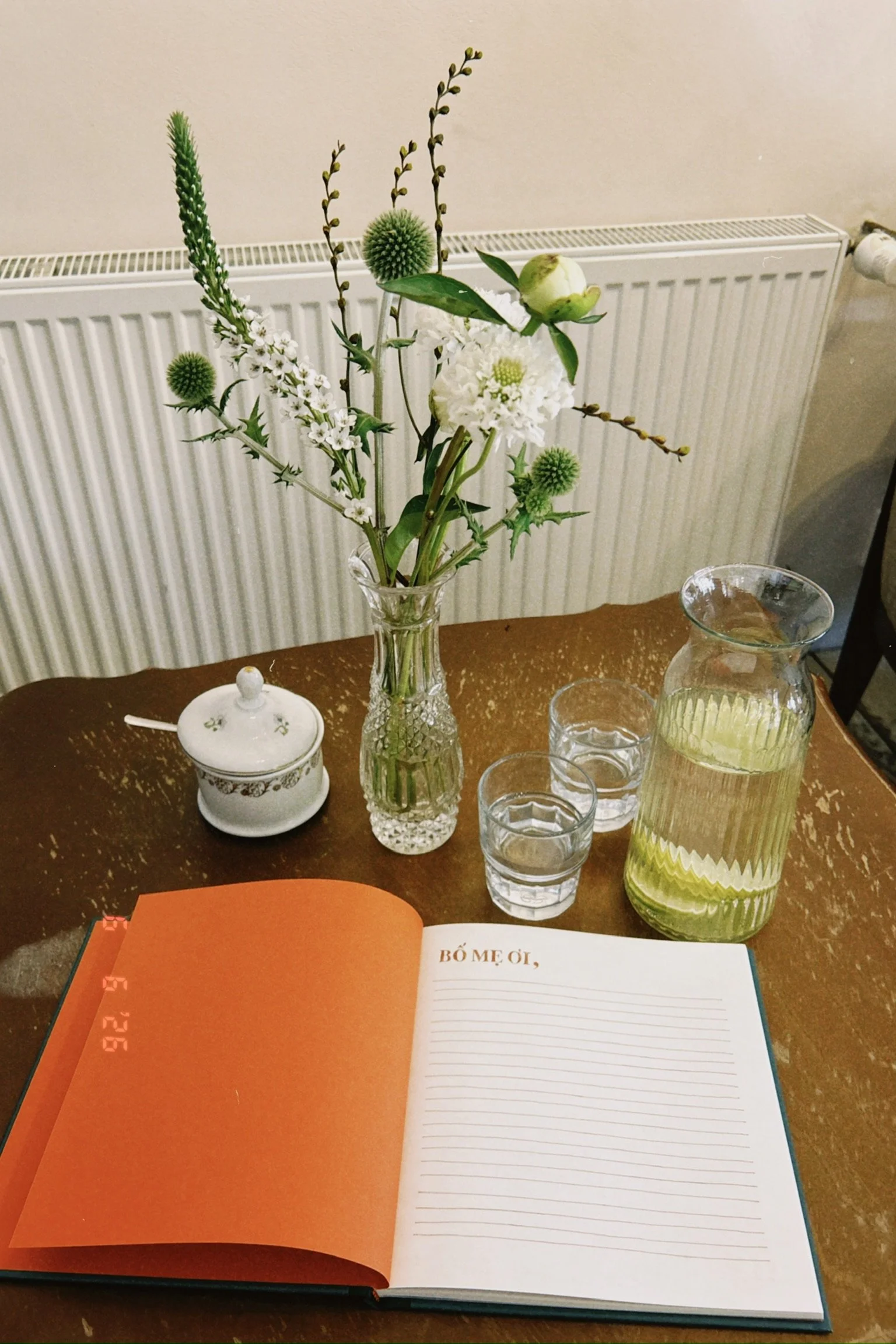
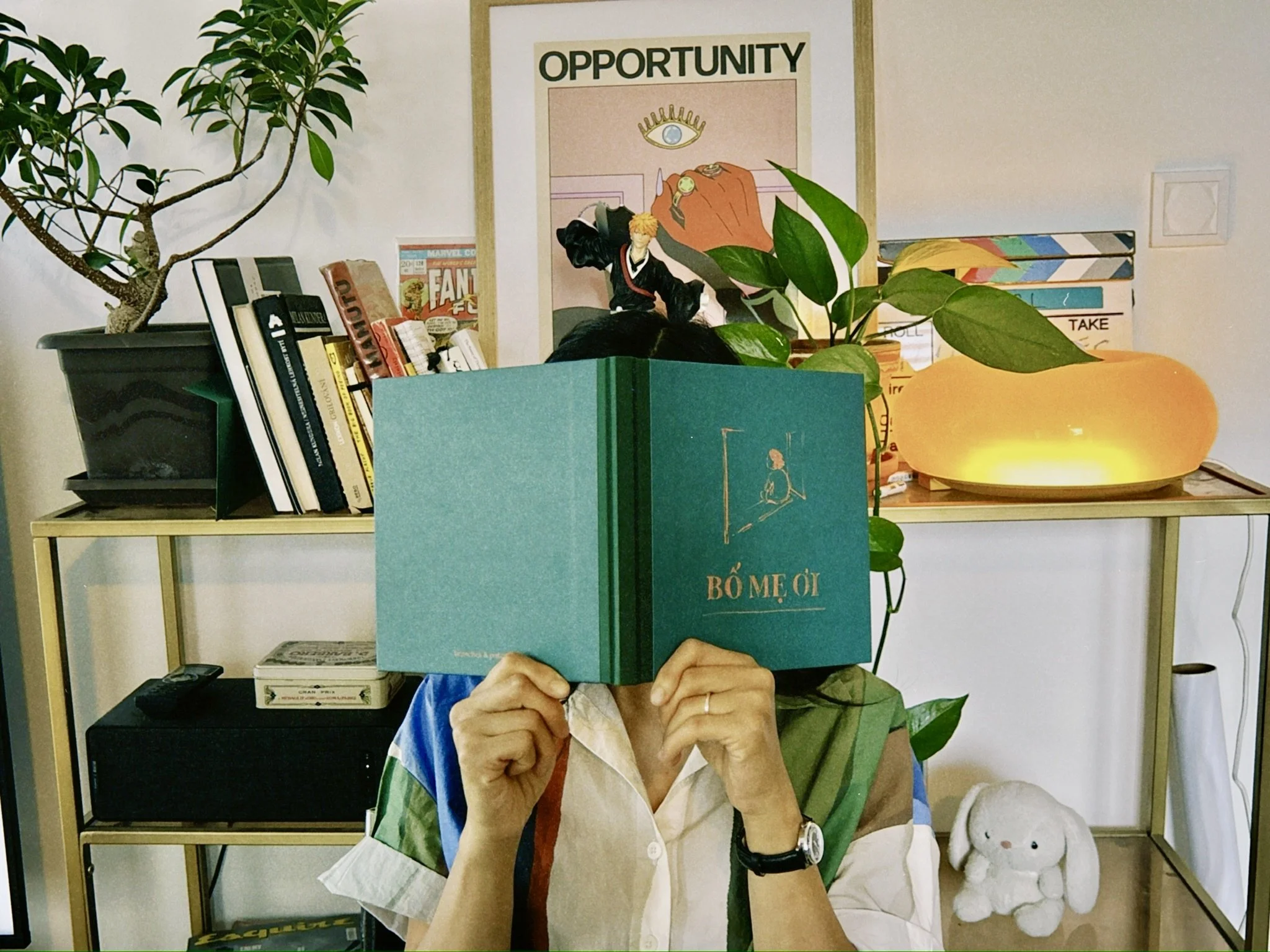
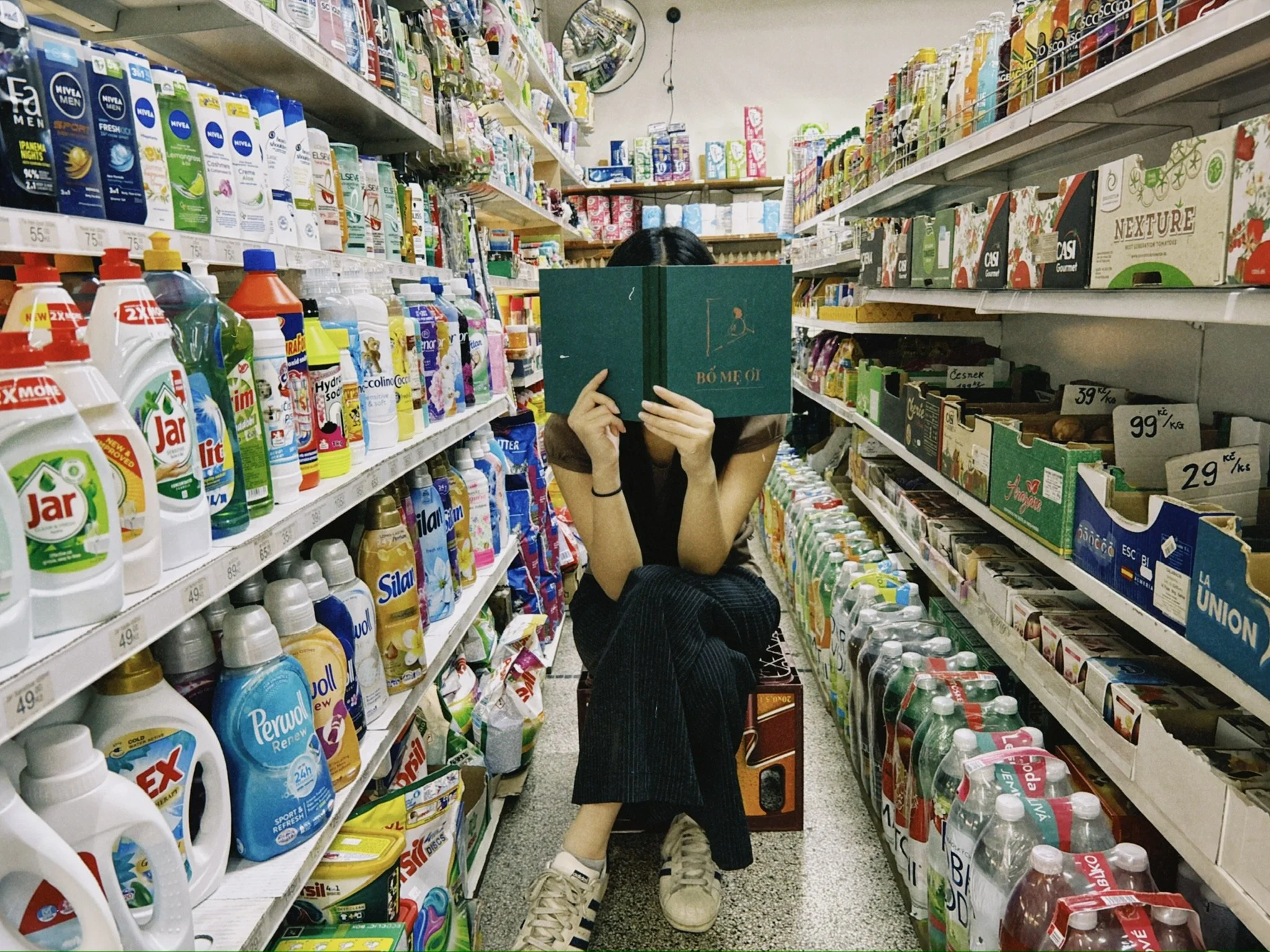
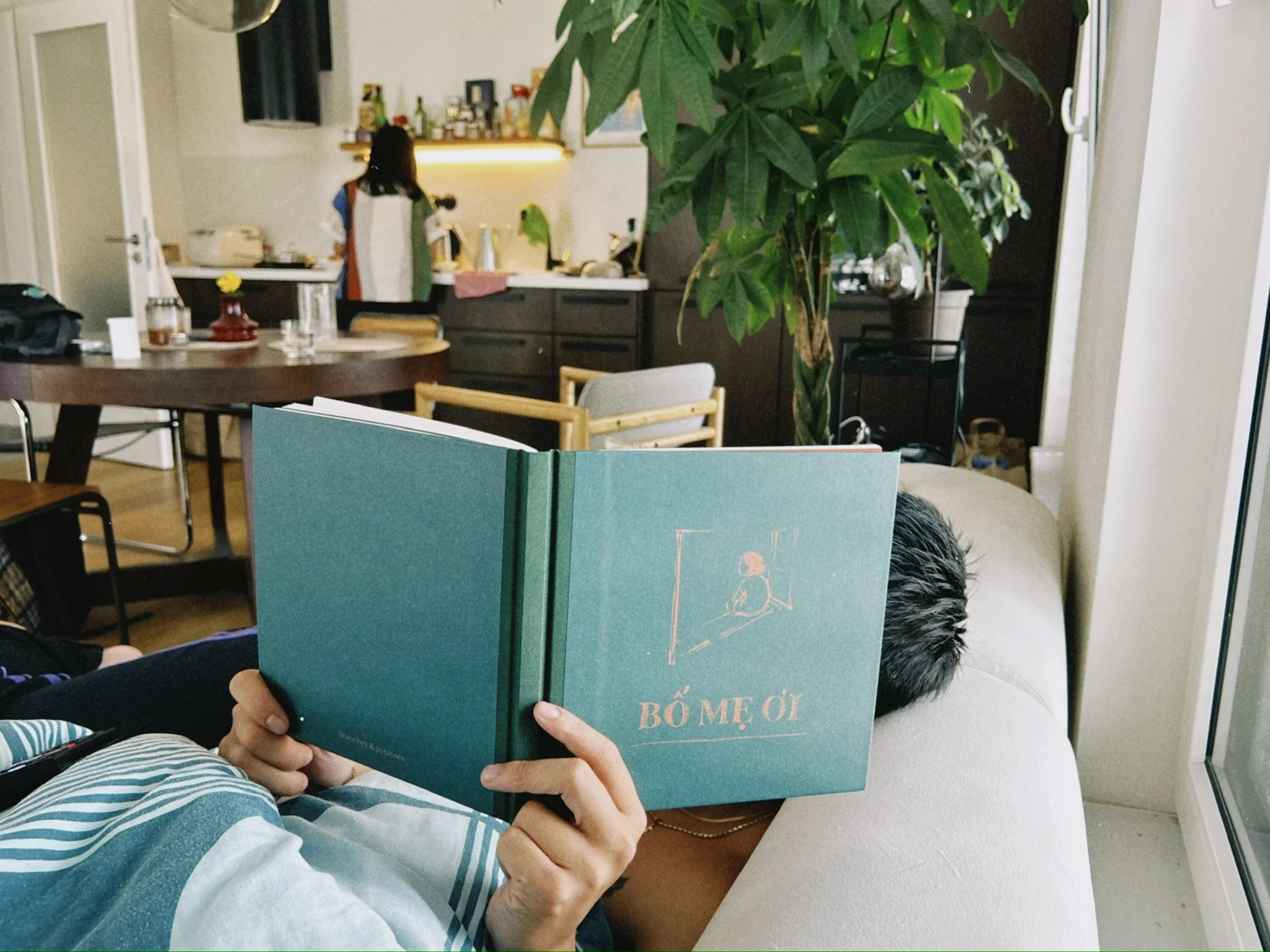
Created by Thuy Linh Mai, BỐ MẸ ƠI is a guided journal designed to help families begin the conversations many of us have never known how to start.
Through thoughtful prompts and quiet reflection, it invites us to look beyond our parents as caregivers and discover the people they were before they became our parents.
More than a journal, it is an invitation to preserve memories, ask meaningful questions, and strengthen the connection between generations.
Because sometimes, understanding where we come from begins with asking a single question.
References
Czech Statistical Office. Foreigners in the Czech Republic.
https://www.czso.cz/Ministry of Foreign Affairs of the Czech Republic. Relations between the Czech Republic and Vietnam.
https://mzv.gov.cz/Charles University Faculty of Education. The Chrastava Children: Vietnamese War Orphans in Czechoslovakia.
https://pedf.cuni.cz/PEDFEN-260.htmlExpats.cz. The Long History of Czech Vietnamese Relations.
https://www.expats.cz/czech-news/article/czech-vietnamese-friendship-dates-back-to-the-vietnam-warGovernment News of Vietnam. Vietnamese Community Recognized as a National Minority Group in the Czech Republic.
https://en.baochinhphu.vn/vietnamese-community-recognized-as-minority-group-in-czech-11117146.htmNovotný, Vít. "Banana", Vietnamese or Czech? Identity Struggles of Second Generation Vietnamese in the Czech Republic. ResearchGate.
https://www.researchgate.net/publication/377652024_Banana_Vietnamese_or_Czech_The_Identity_Struggles_of_Second_Generation_Vietnamese_in_the_Czech_RepublicCzech Radio International. Little Hanoi: Next Generation explores what it means to grow up Vietnamese in Czechia.
https://english.radio.cz/little-hanoi-next-generation-explores-what-it-means-grow-vietnamese-czechia-8891073Resident Advisor. Việt Kiều Market by No Sleep Club Prague.
https://ra.co/events/2450739No Sleep Club Prague. Official Instagram.
https://www.instagram.com/nosleepclub.prg/Blooms of the Future. Official Instagram.
https://www.instagram.com/bloomsofthefuture/Viet Up Czech Republic. Official Instagram.
https://www.instagram.com/vietupcz/Summer School, 2001 (2023), directed by Dužan Duong.
Conversations and background materials shared by Thuy Linh Mai, founder of BỐ MẸ ƠI, during the development of this editorial.