Why We Created a Vietnam Heritage Tour for the Vietnamese Diaspora
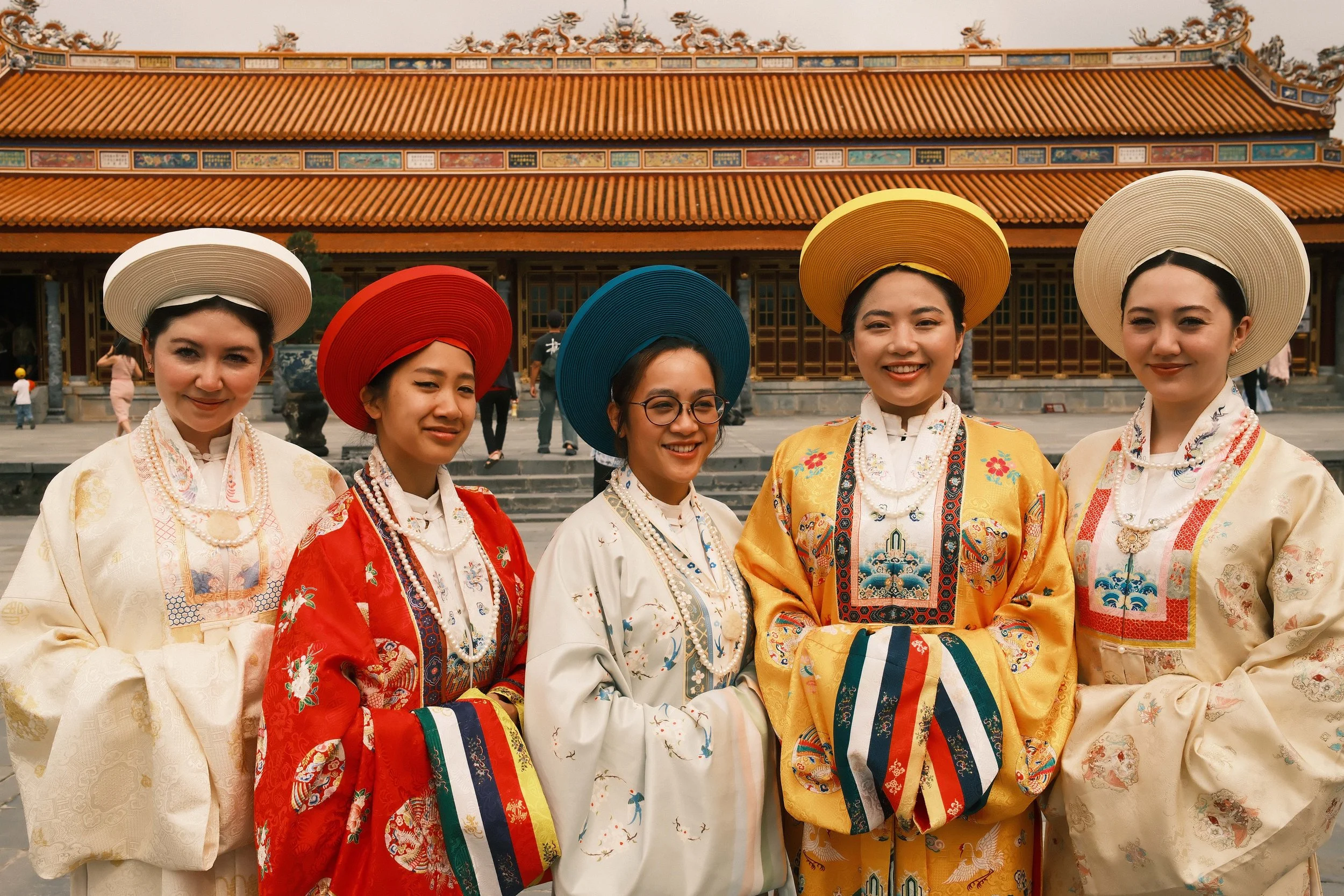
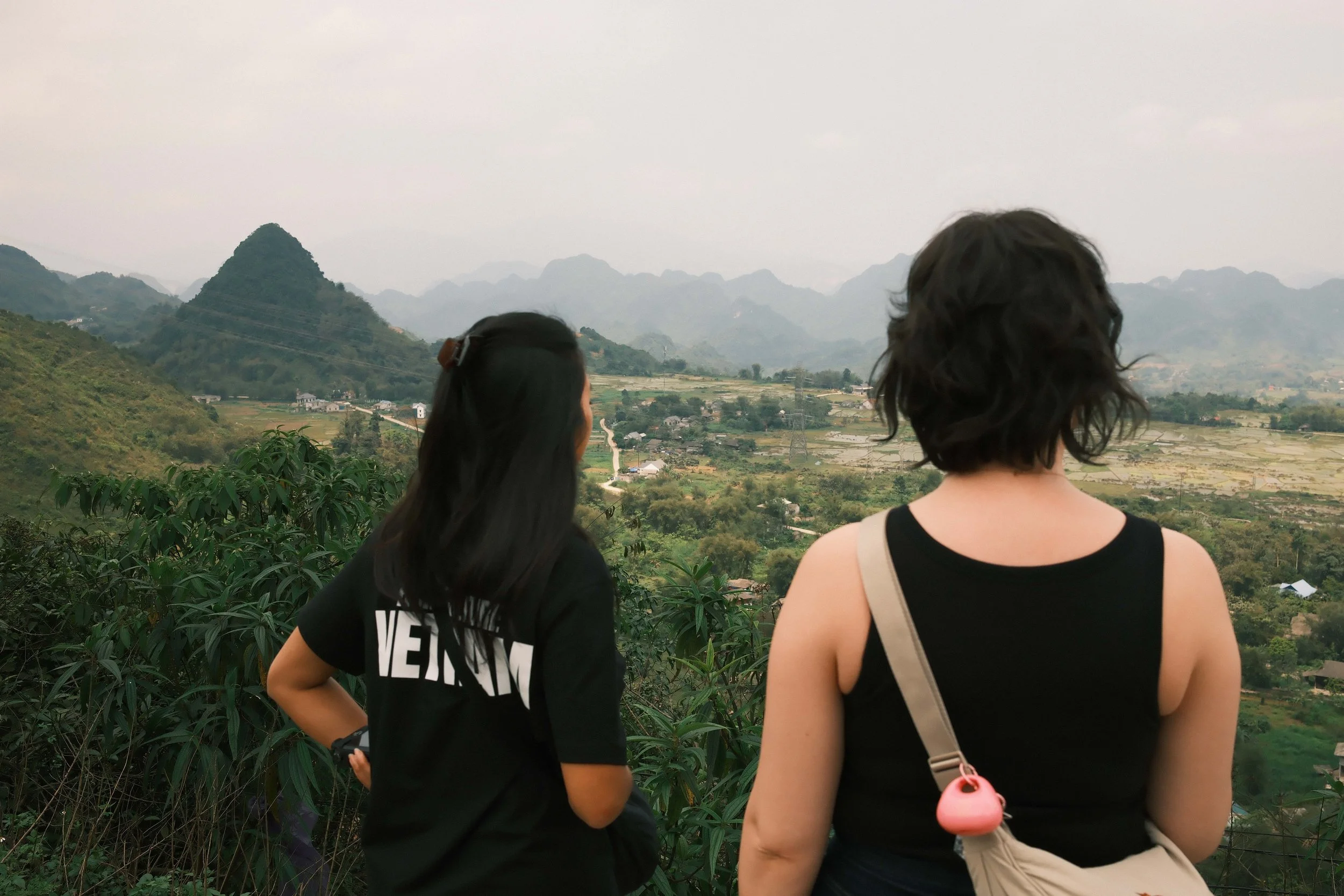
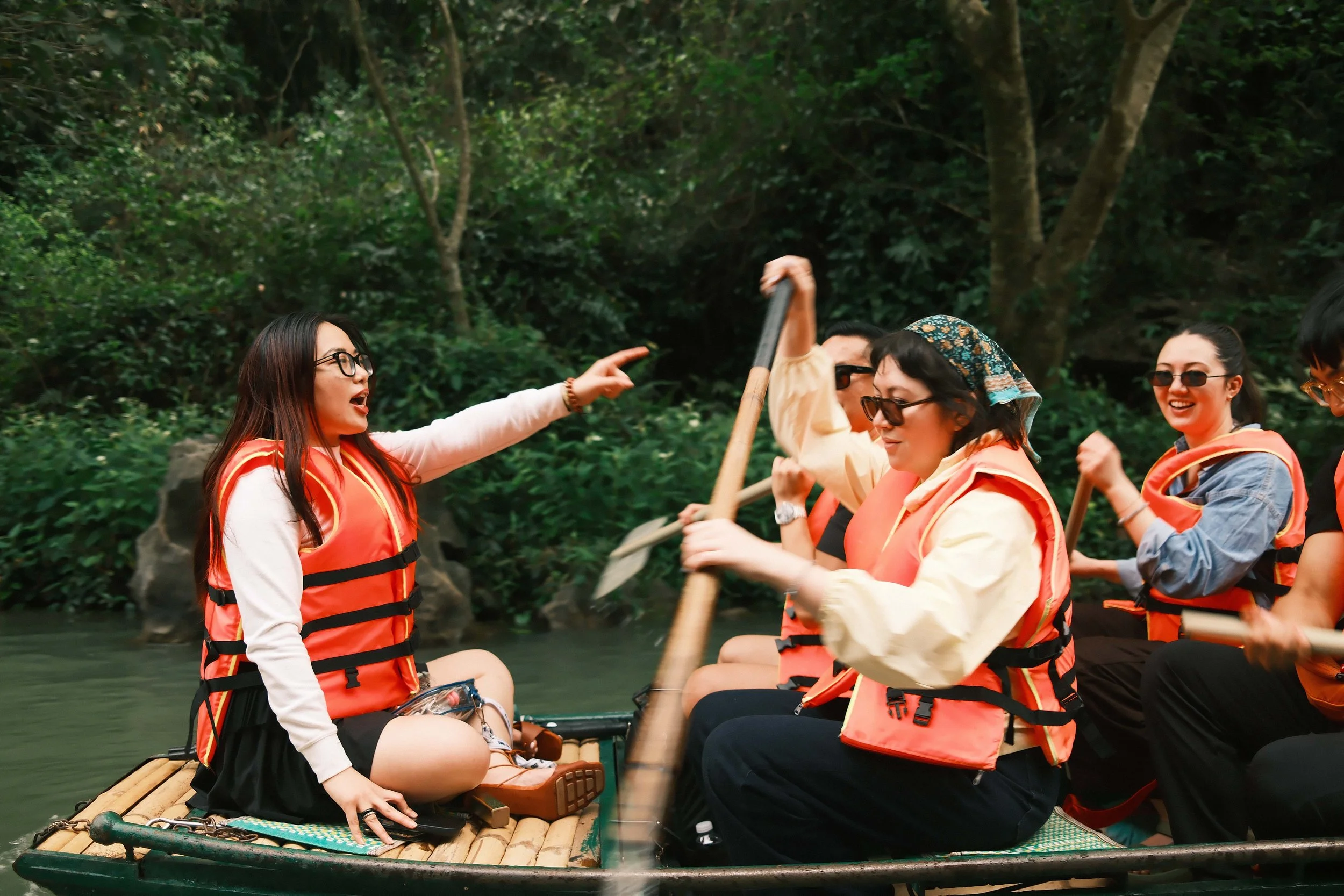
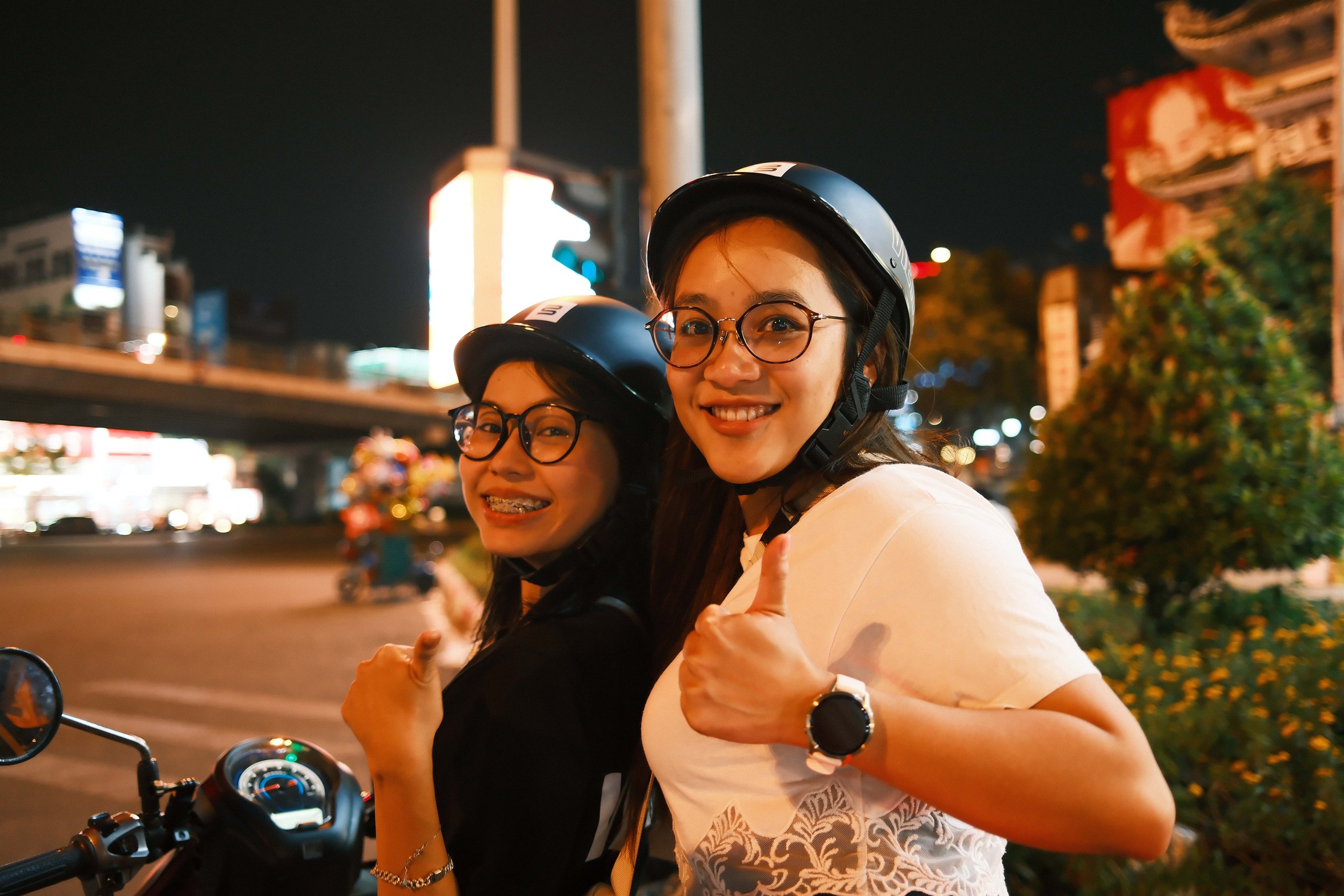
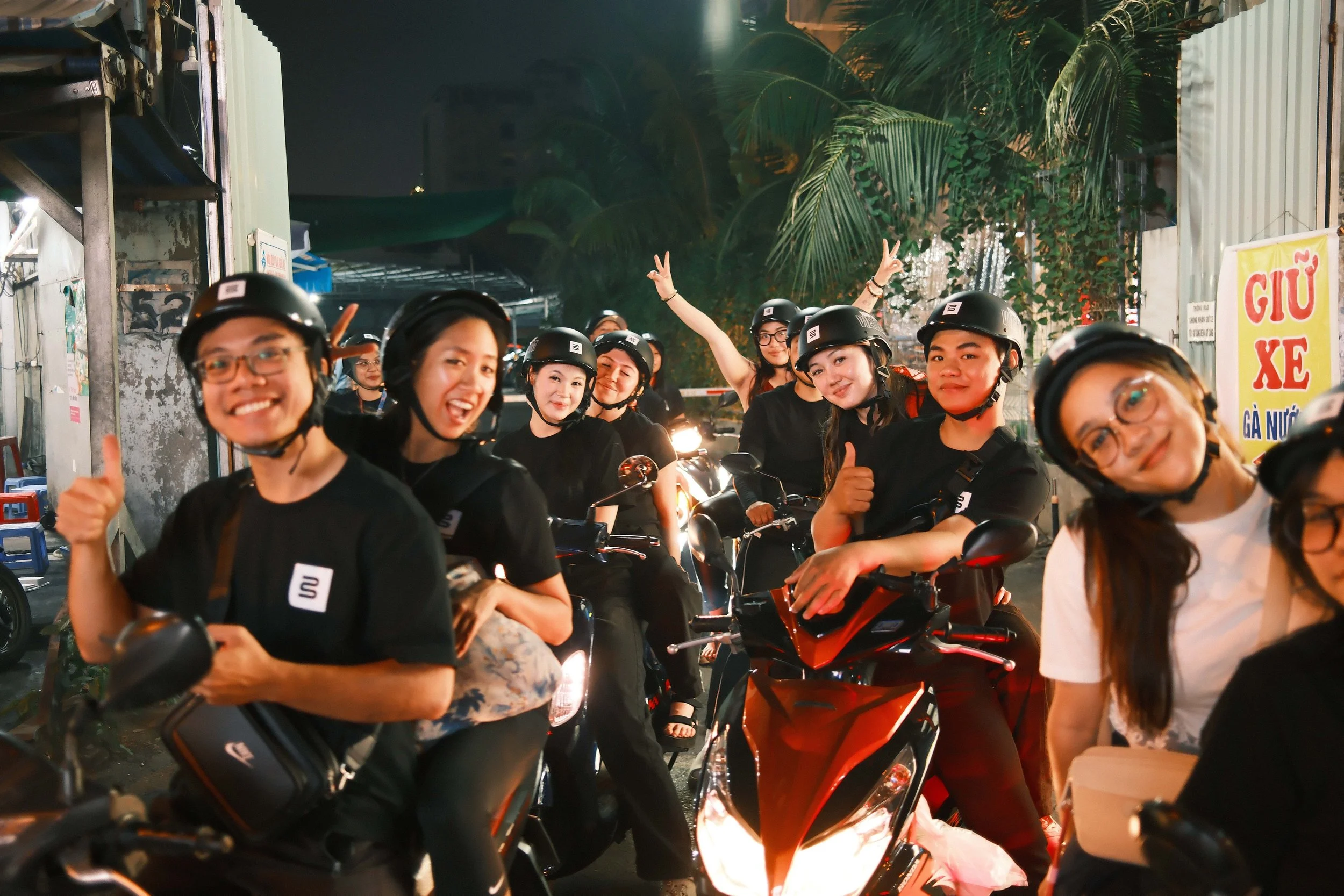
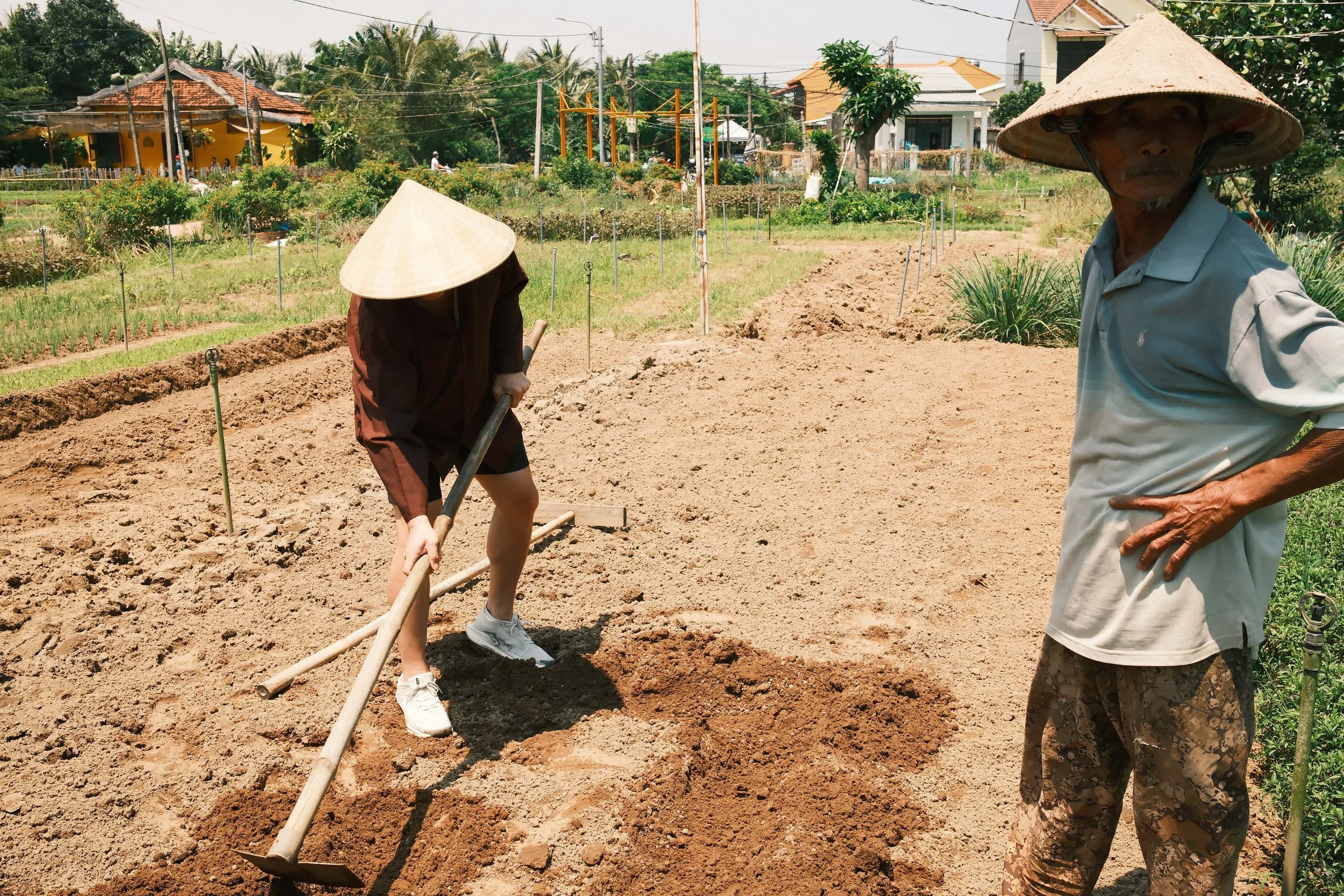
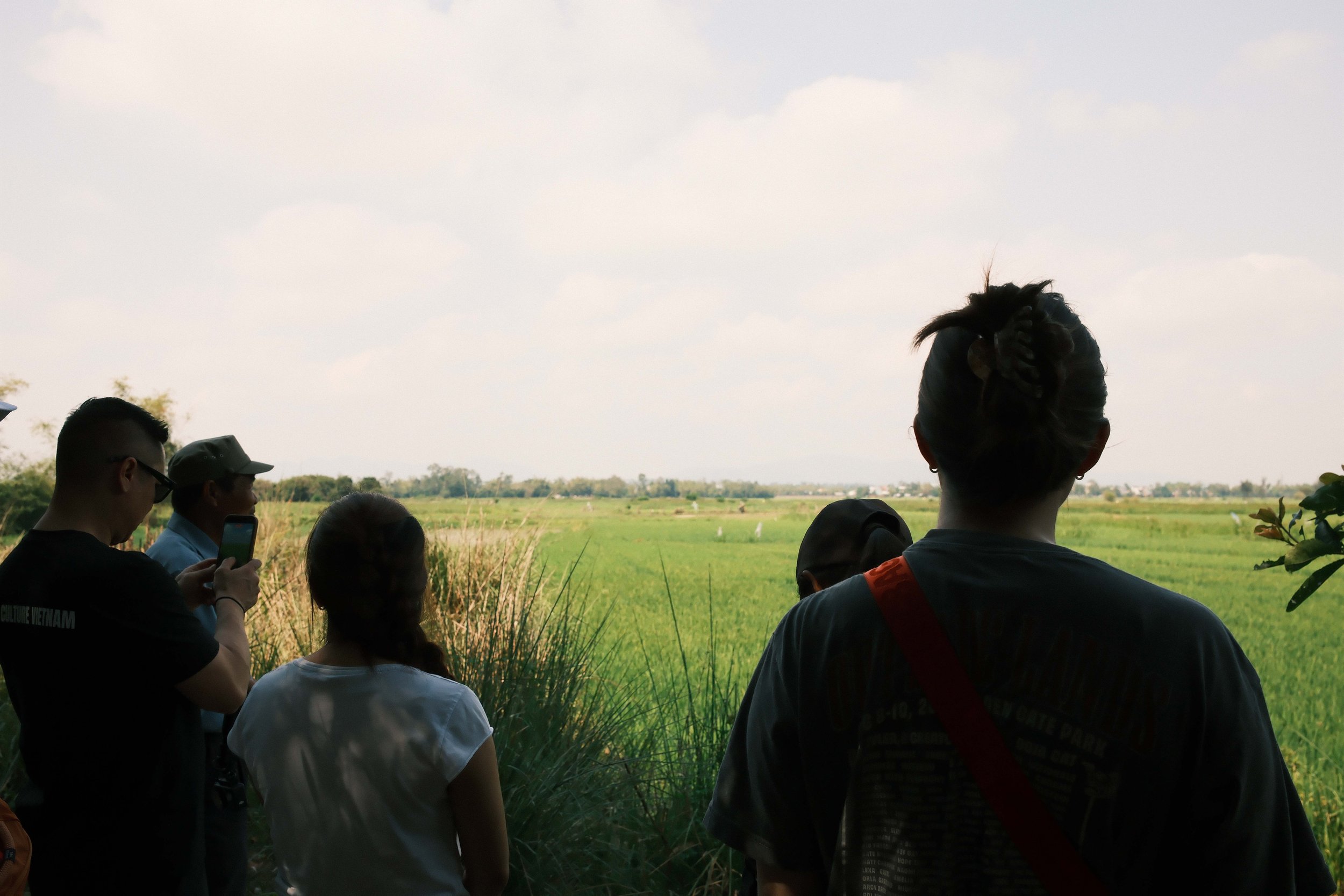
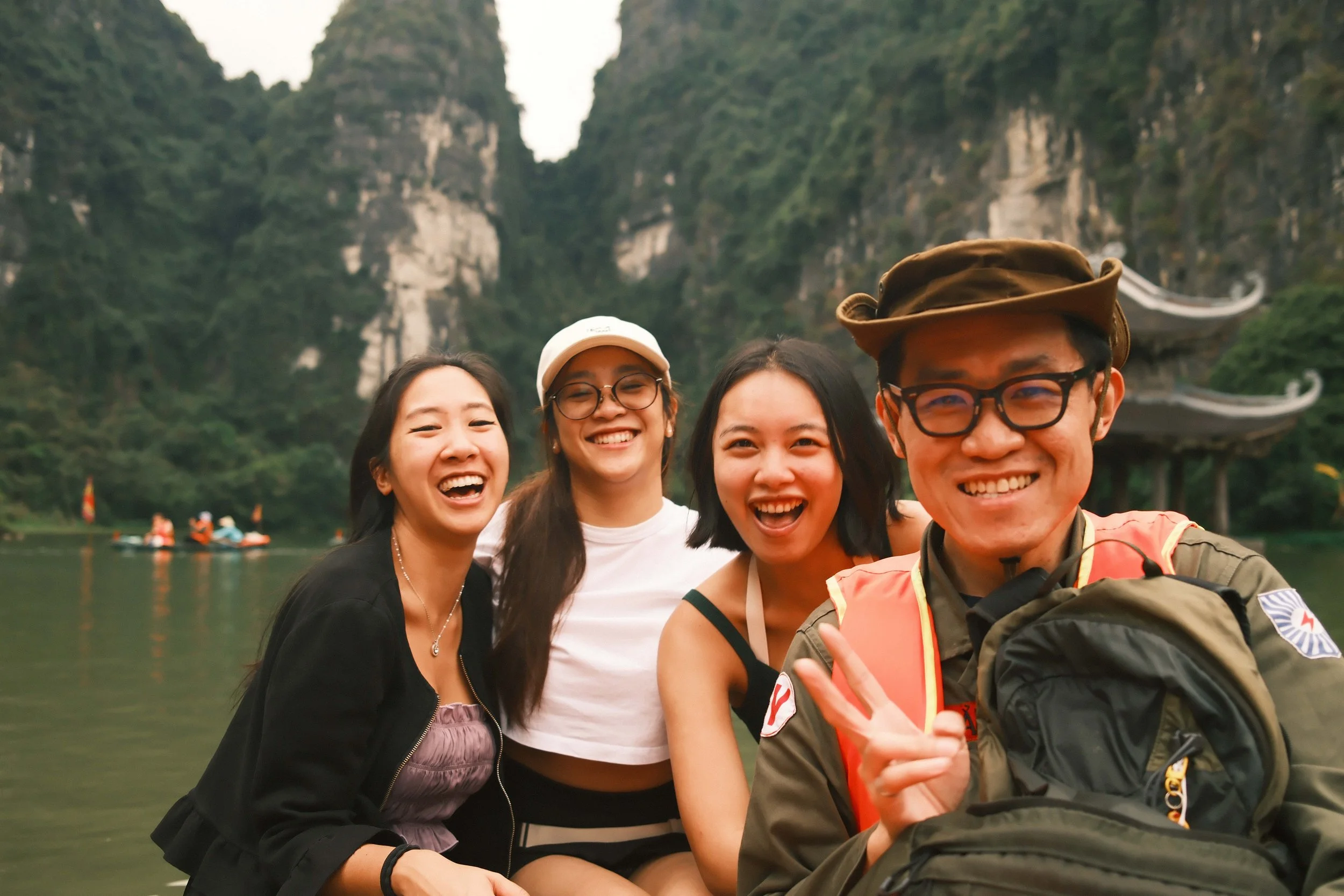
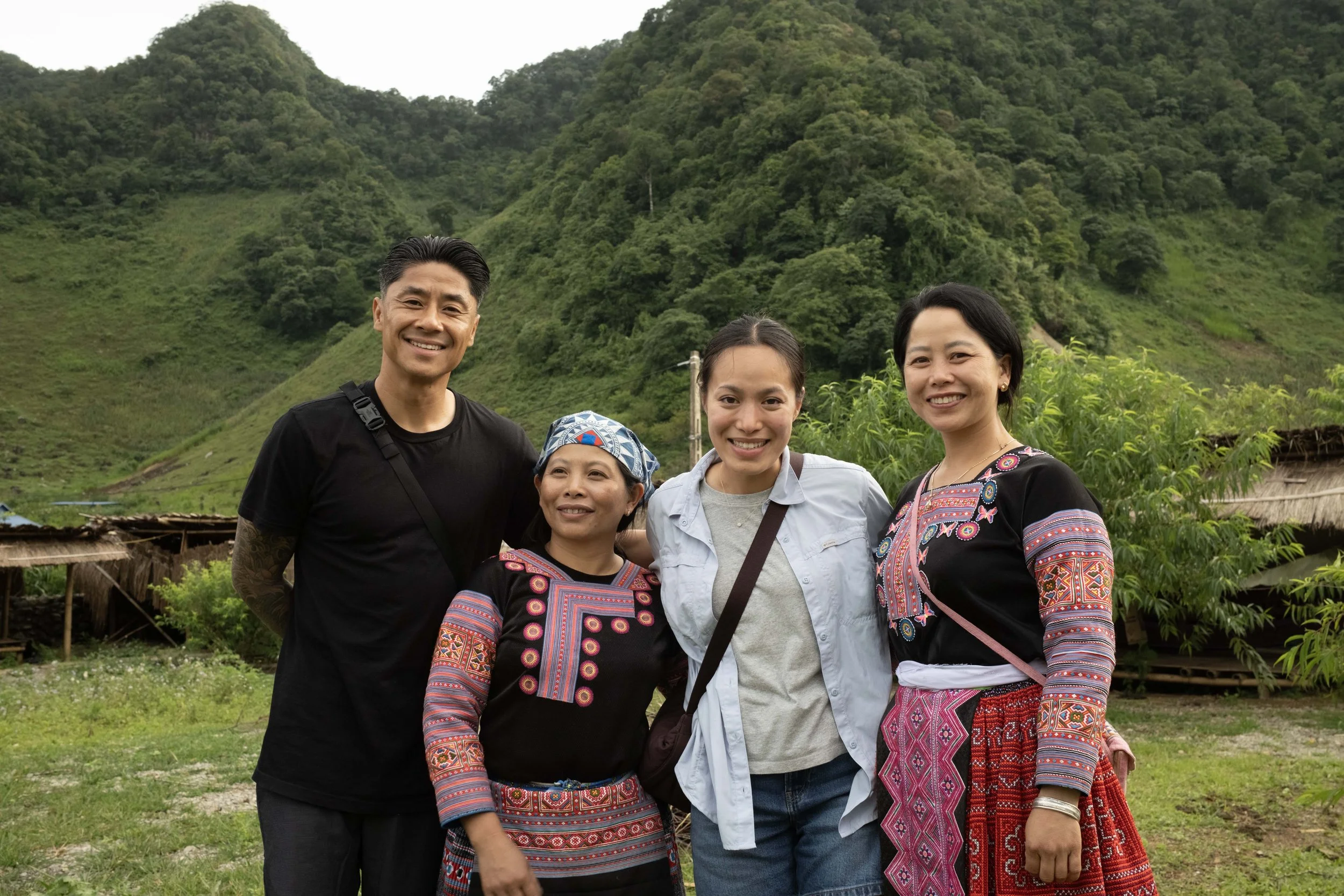
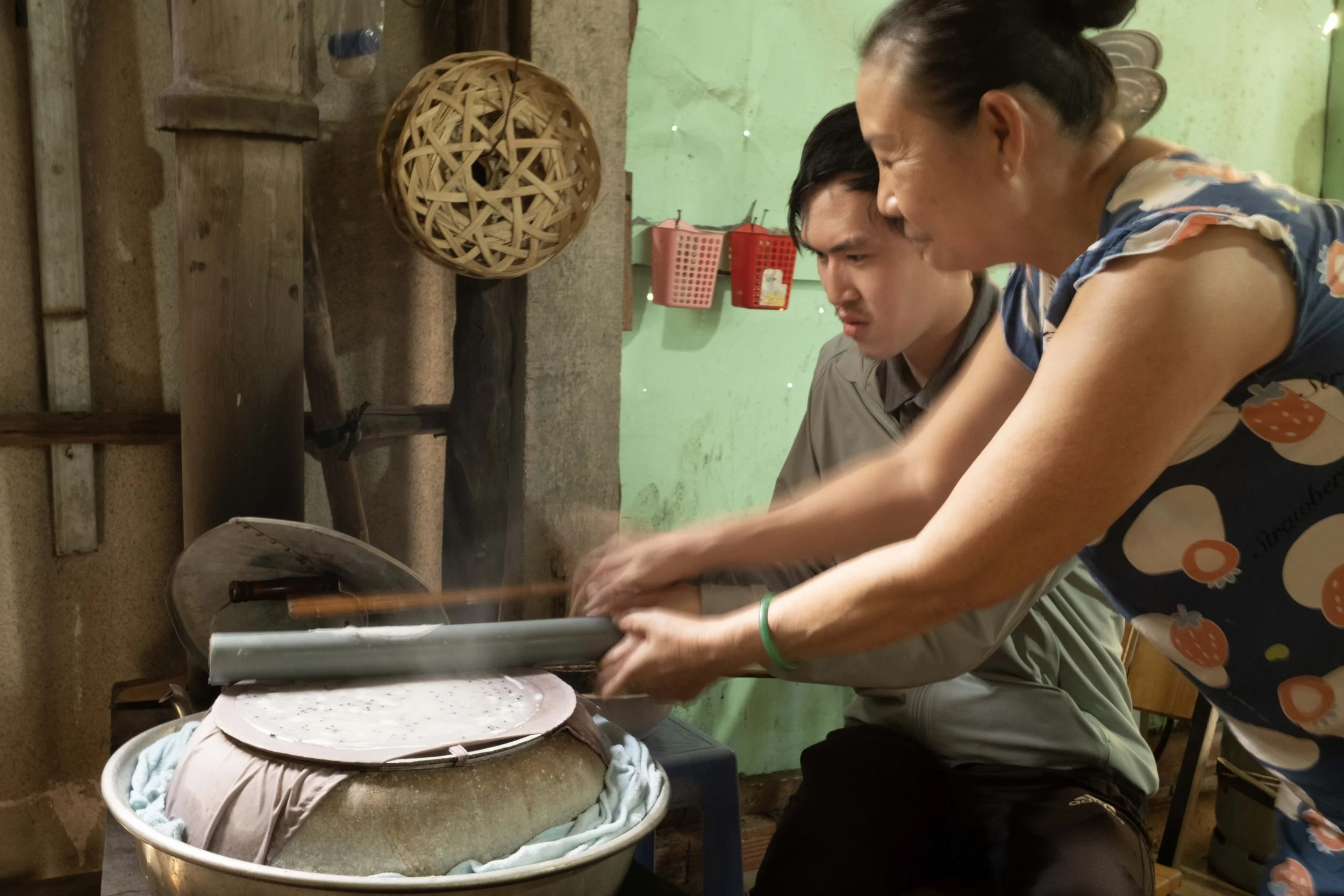
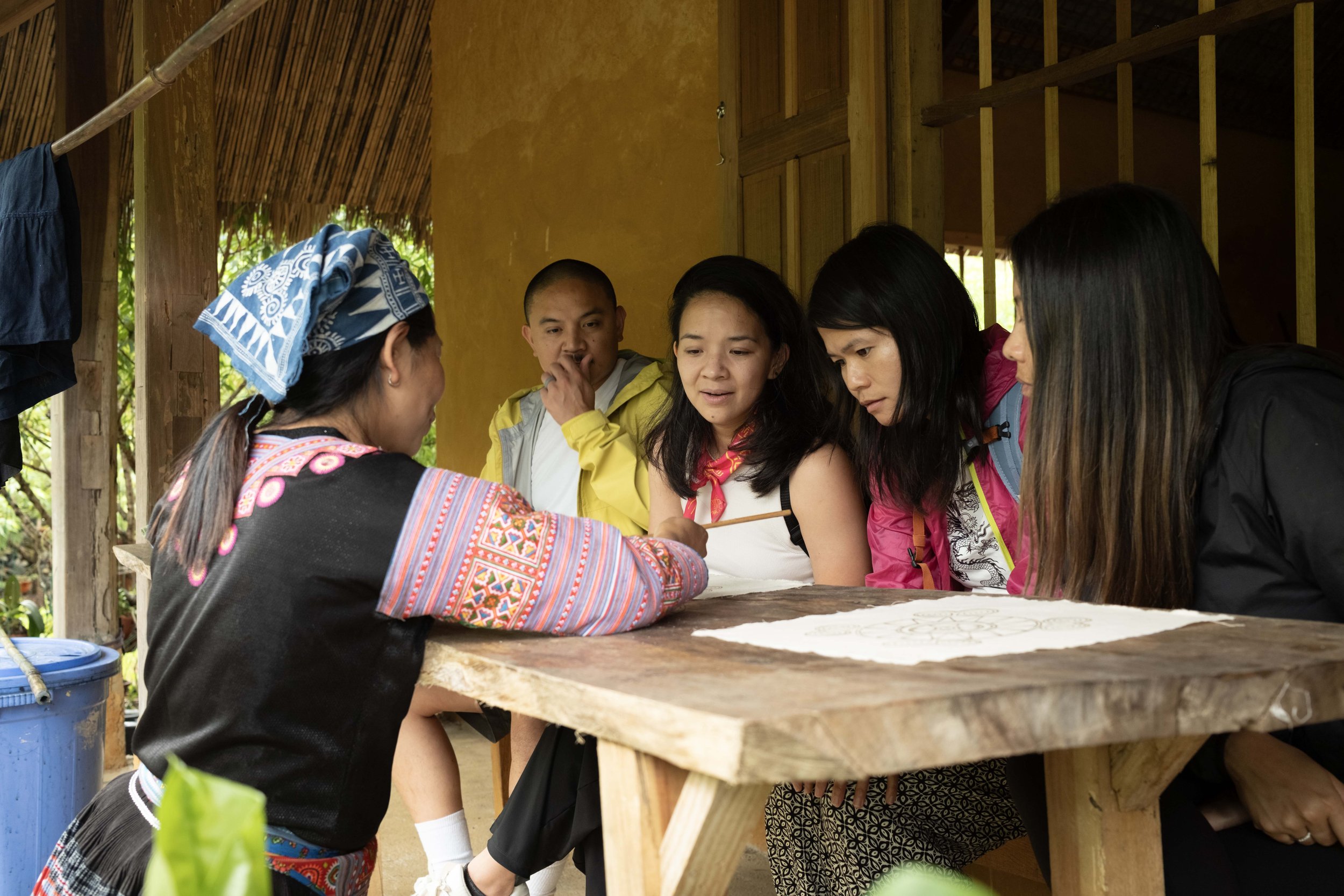
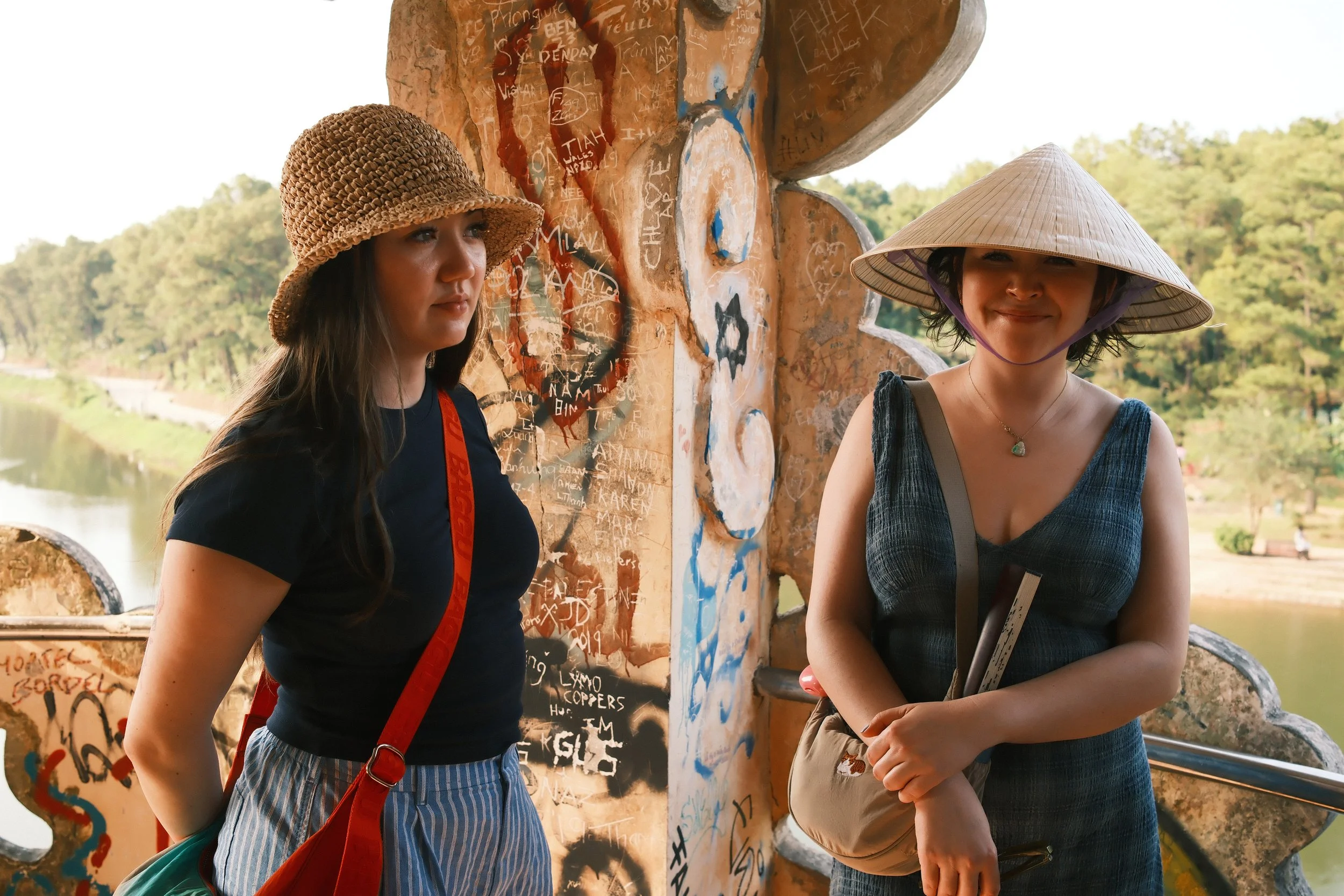
Because seeing Vietnam isn't the same as understanding it.
Vietnam has become one of the world's fastest growing travel destinations. In 2019, the country welcomed a record 18 million international visitors, and following the reopening of global travel, the tourism industry has experienced a remarkable recovery. In 2024 alone, Vietnam received more than 17.5 million international arrivals, surpassing many regional forecasts and reaffirming its place as one of Southeast Asia's most dynamic destinations.
Alongside this growth has come an extraordinary diversity of travel experiences. Today, Vietnam is home to thousands of licensed tour operators offering everything from luxury cruises through Hạ Long Bay and motorcycle adventures across the Hà Giang Loop to street food tours, trekking expeditions, cycling holidays, wellness retreats, and bespoke cultural itineraries. For many visitors, there has never been a better time to explore the country.
Yet as Vietnam's tourism industry has expanded, we've found ourselves returning to a different question.
Not where should people visit?
But how should they experience Vietnam?
For many travelers, the answer may simply be to see the country's landscapes, taste its food, and visit its landmarks. Those experiences matter, and they have introduced millions of people to Vietnam's beauty, hospitality, and resilience.
But for many members of the Vietnamese diaspora, the journey carries a different weight.
Returning to Vietnam is rarely just another holiday.
It can be an emotional experience shaped by family history, inherited memories, unanswered questions, and a quiet desire to understand where you come from. The places you visit may be entirely new, yet they often feel strangely familiar. A meal reminds you of something your grandmother once cooked. A phrase spoken by a street vendor sounds like the language you heard growing up. A family altar, an afternoon rainstorm, or the rhythm of life in a small village can awaken emotions that are difficult to explain.
These moments are rarely listed in a travel itinerary, yet they often become the memories people carry home.
This is not unique to the Vietnamese community. Researchers studying heritage tourism have found that people traveling to places connected to their ancestry often seek something fundamentally different from leisure travelers. Rather than prioritizing sightseeing alone, they are more likely to search for identity, family history, cultural understanding, and a sense of belonging. Heritage travel becomes less about consuming a destination and more about understanding one's place within it.
For us, that distinction became impossible to ignore.
We realized that Vietnam did not need another tour.
There were already countless people doing that exceptionally well.
What seemed to be missing was an experience intentionally designed for people whose relationship with Vietnam extended beyond tourism. People who wanted more than an itinerary. People who were searching for context instead of checklists, conversations instead of commentary, and connection instead of consumption.
That became the foundation for Third Culture Vietnam's Heritage Tours.
We didn't begin by asking, "What should people see?"
We began by asking, "How can people feel more connected to Vietnam by the time they leave than they did when they arrived?"
That question continues to shape every decision we make.
The Experience We Were Looking For
Third Culture Vietnam was never created because we believed Vietnam lacked remarkable places to visit. It was created because we believed there was space for a different way of experiencing them.
Over the past several decades, the global Vietnamese diaspora has grown to more than six million people living across more than 130 countries and territories, making it one of the largest overseas communities in Southeast Asia. Every migration story is unique, shaped by different generations, different countries, and different circumstances. Some families arrived overseas as refugees. Others left for education, work, or new opportunities. Many children and grandchildren of those families have grown up balancing multiple identities, learning to navigate one culture at home and another everywhere else.
For many, Vietnam exists first through stories.
It lives in photographs tucked away in family albums. In recipes passed between generations without measurements. In the language spoken between parents and grandparents. In memories of annual visits that always seemed too short, or in stories that were never fully told.
As children become adults, those fragments often begin to form larger questions.
Questions about family history.
Questions about identity.
Questions about belonging.
Researchers describe this process as identity exploration, a common experience among members of diaspora communities who seek to better understand the relationship between their cultural heritage and their everyday lives. Studies published in the Journal of Cross-Cultural Psychology and the International Journal of Intercultural Relations suggest that developing a strong connection to one's cultural heritage is associated with greater psychological well-being, stronger self-esteem, and a deeper sense of belonging. Rather than looking backward, many people are looking for a way to move forward with a more complete understanding of themselves.
Yet when many members of the diaspora return to Vietnam, they often discover that traditional tourism does not quite answer those questions.
They visit historic landmarks, but rarely meet the people who continue preserving those traditions.
They admire beautiful landscapes, but have little opportunity to understand the communities who have shaped them.
They experience Vietnam as visitors, when what they are often searching for is a relationship.
That was the experience we recognized in ourselves.
We had travelled.
We had visited museums, temples, cafés, and famous destinations.
We had learned facts about Vietnam.
But we still felt there was another layer waiting to be discovered.
Not through more sightseeing, but through conversation.
Not by moving faster, but by slowing down.
Not by collecting destinations, but by building relationships.
The experience we were looking for wasn't simply a better tour.
It was a different way of coming home.
Created By Us, For Us
At Third Culture Vietnam, we often say our Heritage Tours are created by us, for us.
It is a simple phrase, but one that carries years of lived experience behind it.
We are members of the Vietnamese diaspora ourselves. We understand what it feels like to grow up between cultures, to answer questions about where you're "really from," to speak enough Vietnamese to order a meal but not enough to ask your grandparents about their childhood. We know what it feels like to visit Vietnam and feel both deeply familiar with the country and completely unfamiliar at the same time.
Those experiences are not unique to us.
Today, more than 6 million overseas Vietnamese live across over 130 countries and territories, with the largest communities in the United States, Australia, Canada, France, Germany, South Korea, Japan, and Taiwan. Each community has developed its own traditions, identities, and relationship with Vietnam, shaped by different migration histories, generations, and cultural environments.
While these stories differ, many people describe a similar feeling: existing between two worlds.
Researchers refer to this as bicultural identity, the process of balancing multiple cultural identities while developing a sense of self. Studies have shown that navigating more than one cultural identity can bring enormous strengths, including adaptability, empathy, and broader worldviews. At the same time, many individuals experience periods of uncertainty about where they belong, particularly during early adulthood or major life transitions.
For members of the Vietnamese diaspora, those questions often resurface when thinking about Vietnam.
Not because they are trying to become "more Vietnamese."
But because they are trying to understand a part of themselves that has always been there.
Over the past several years, we've had hundreds of conversations with people from around the world. Some had never visited Vietnam before. Others had been many times with family but admitted they had never truly understood the country's history beyond what they had learned at home. Some spoke fluent Vietnamese. Others knew only a handful of words. Some arrived carrying excitement. Others arrived carrying uncertainty, wondering whether they would be accepted, understood, or even feel like they belonged.
The more we listened, the more we realized these conversations were rarely about travel.
They were about identity.
About understanding family histories that had been left unfinished.
About reconnecting with traditions that had quietly faded across generations.
About discovering that many of the experiences they believed were uniquely their own were, in fact, shared by thousands of others across the global Vietnamese community.
This is why community became just as important as the itinerary.
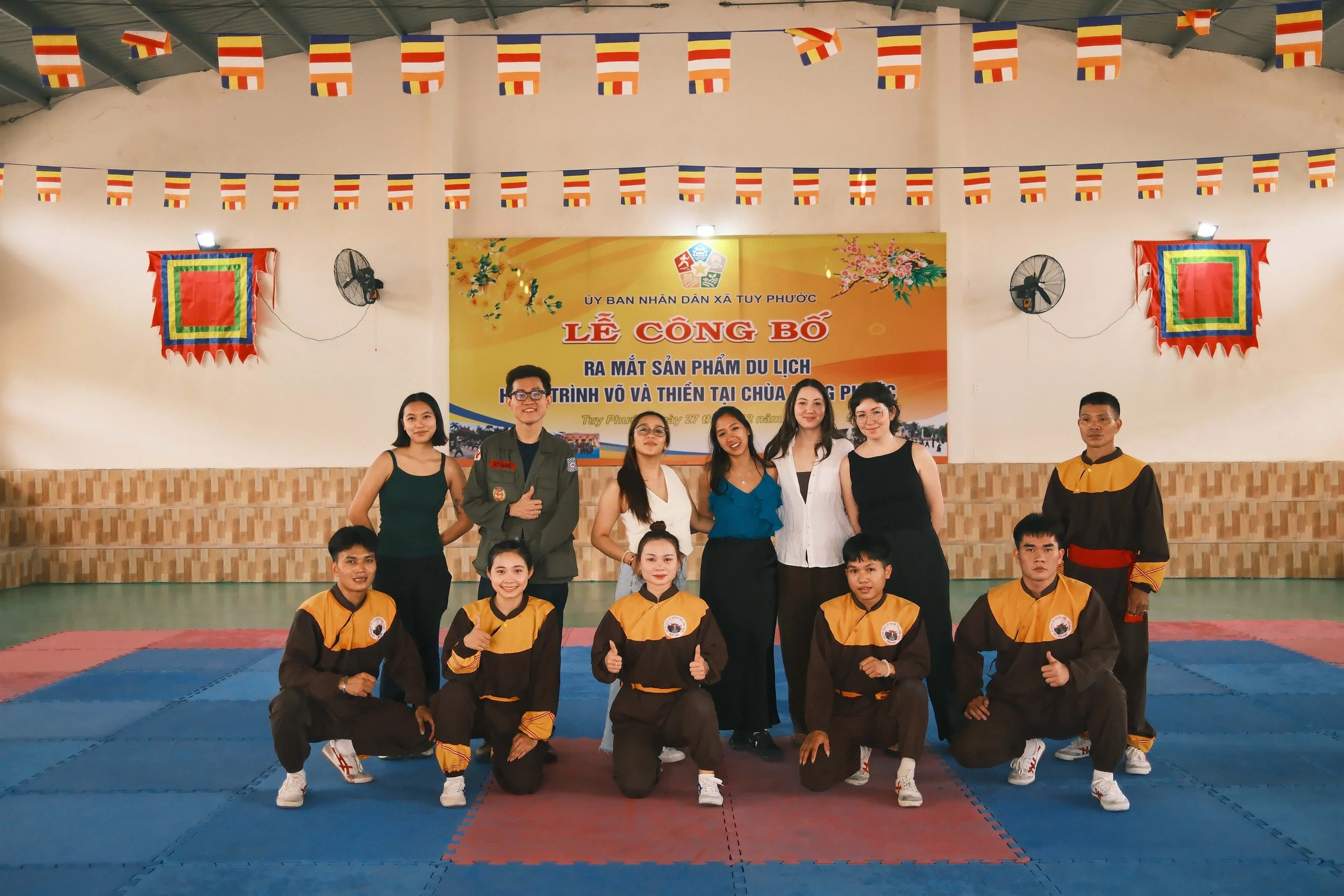
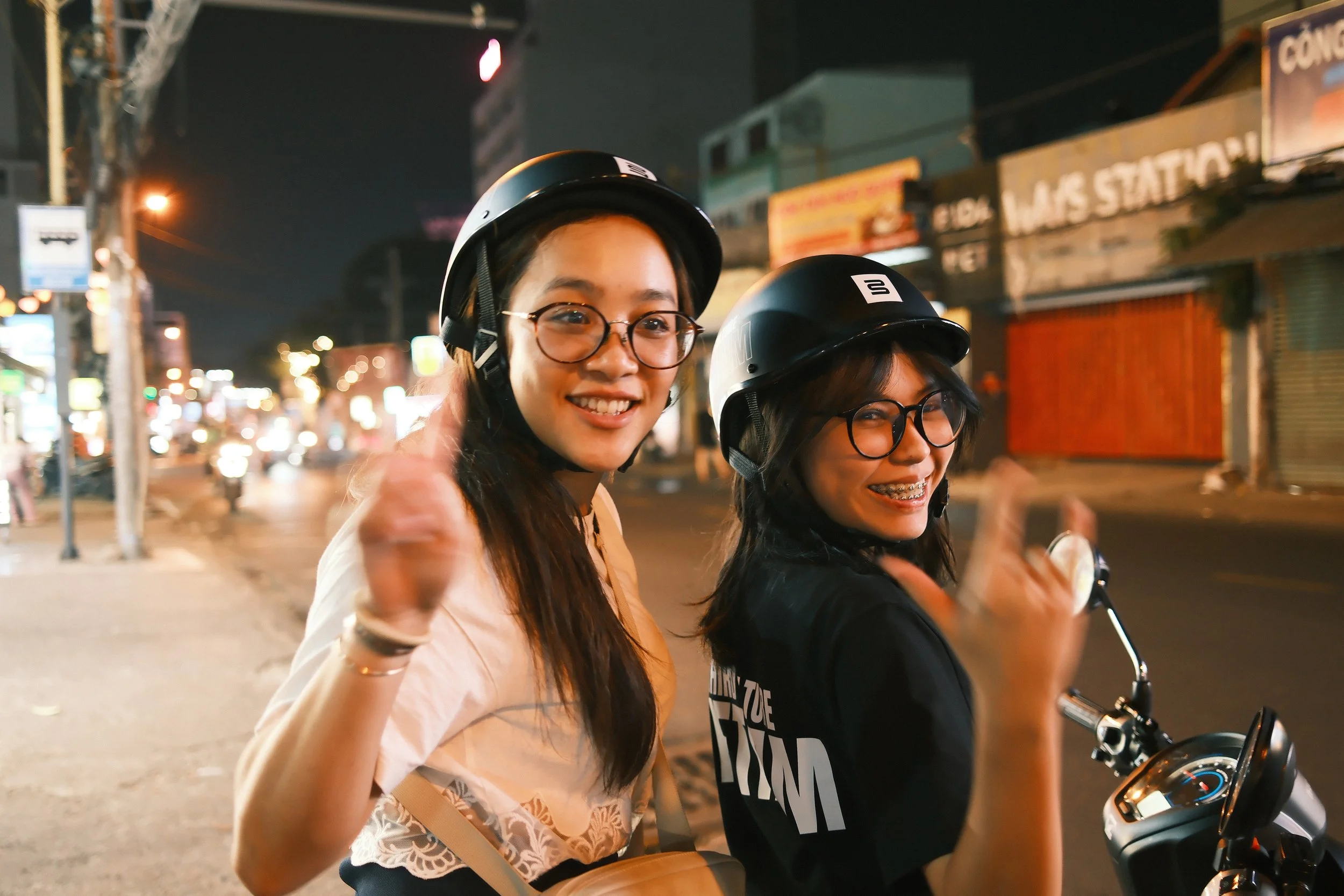
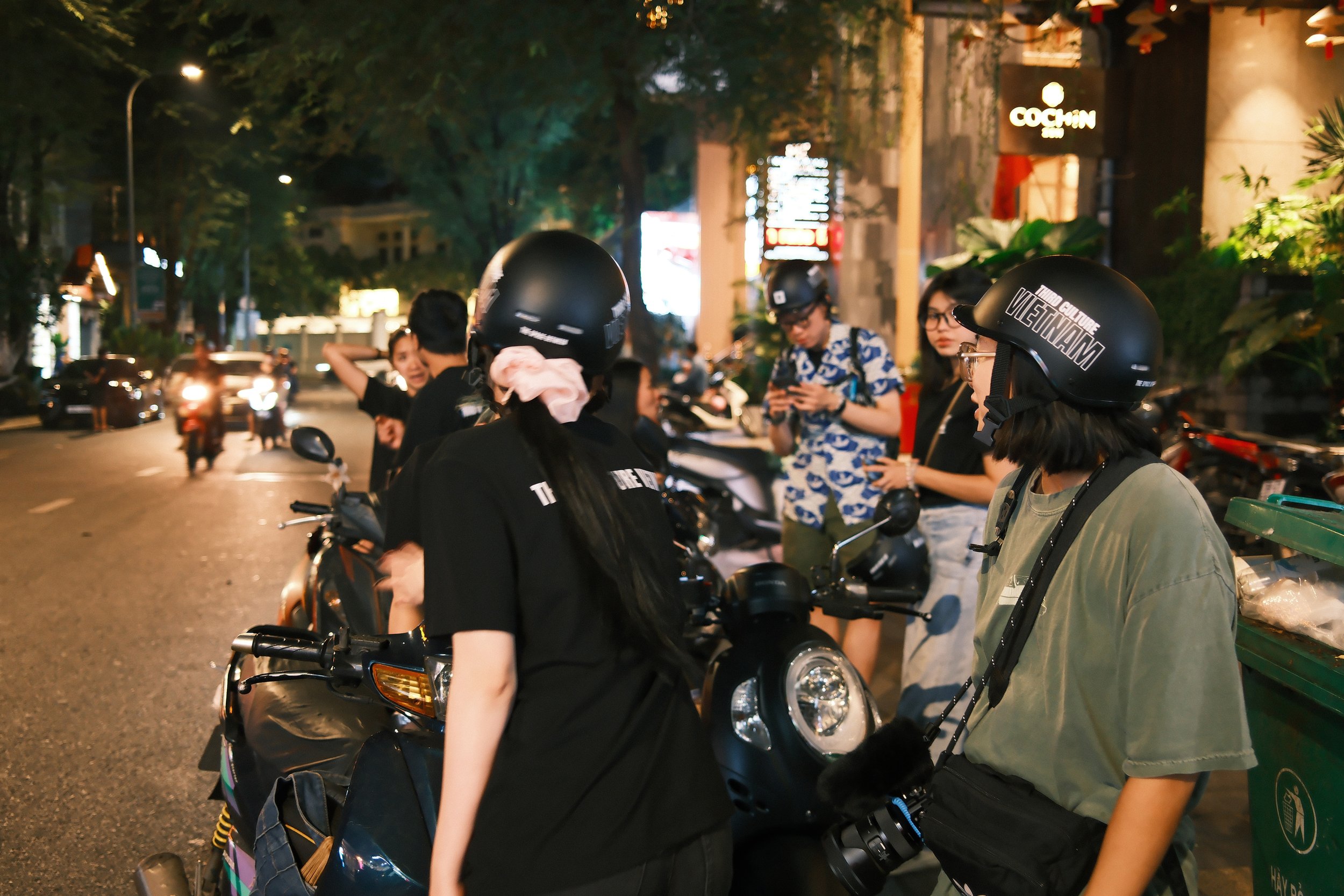
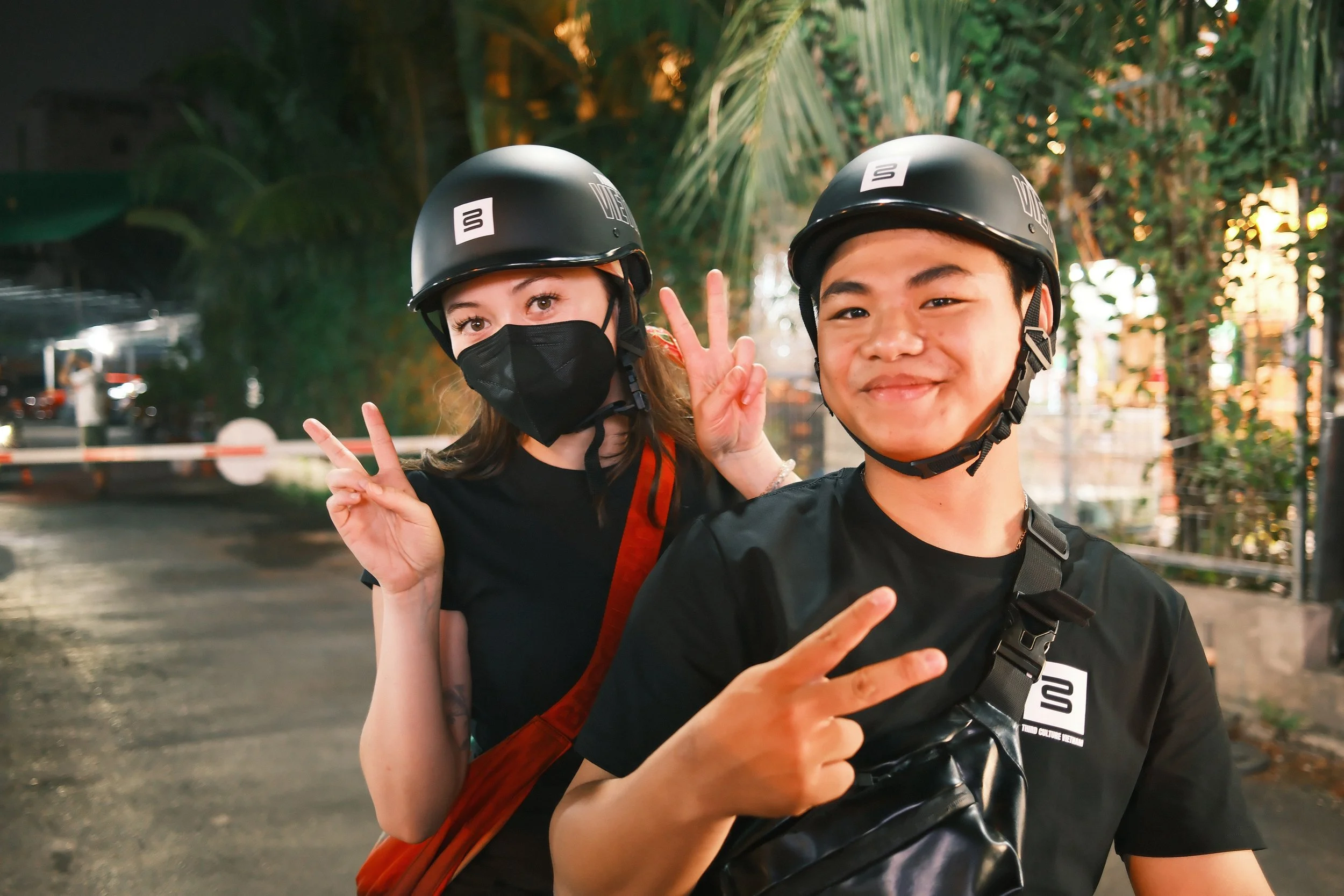
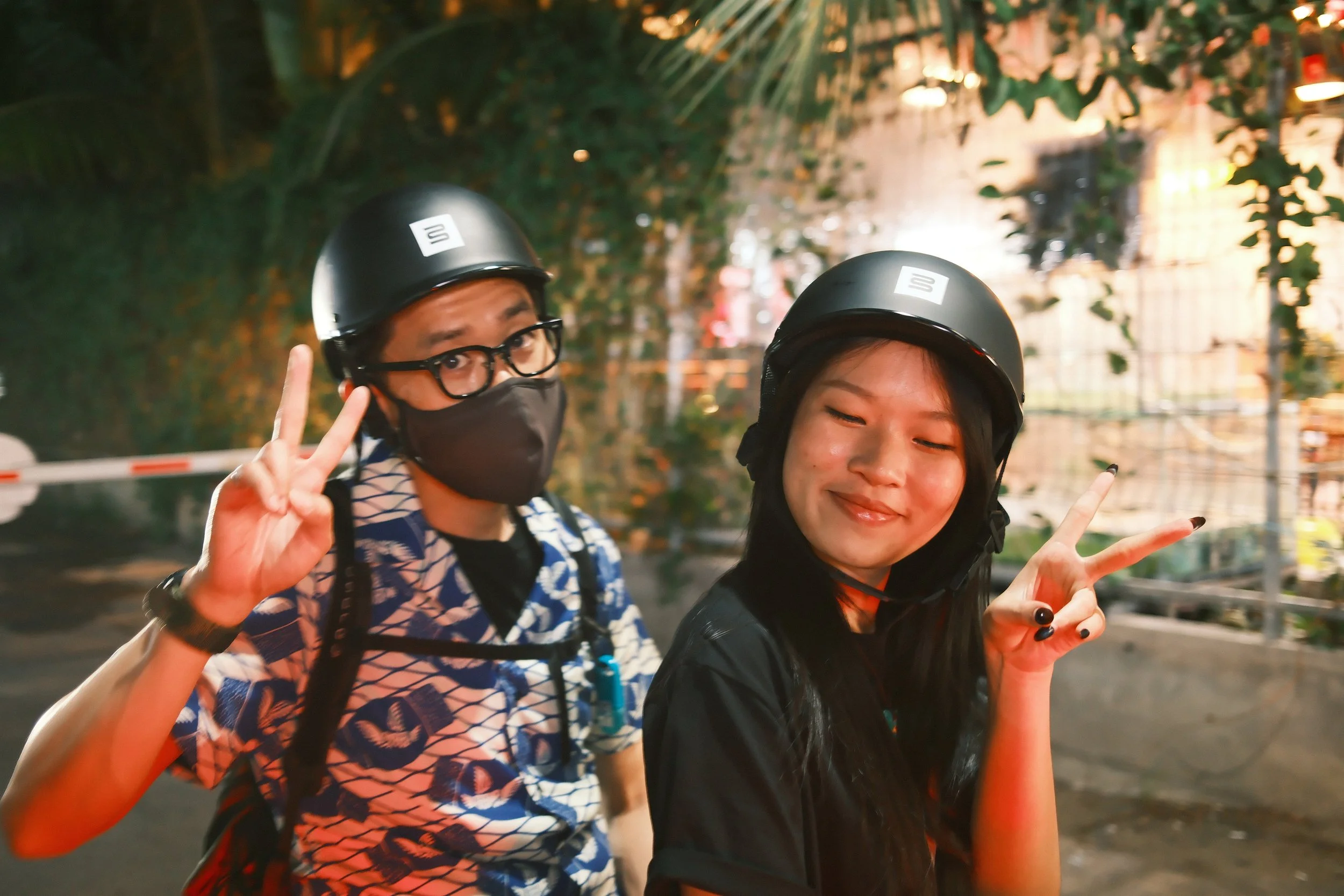
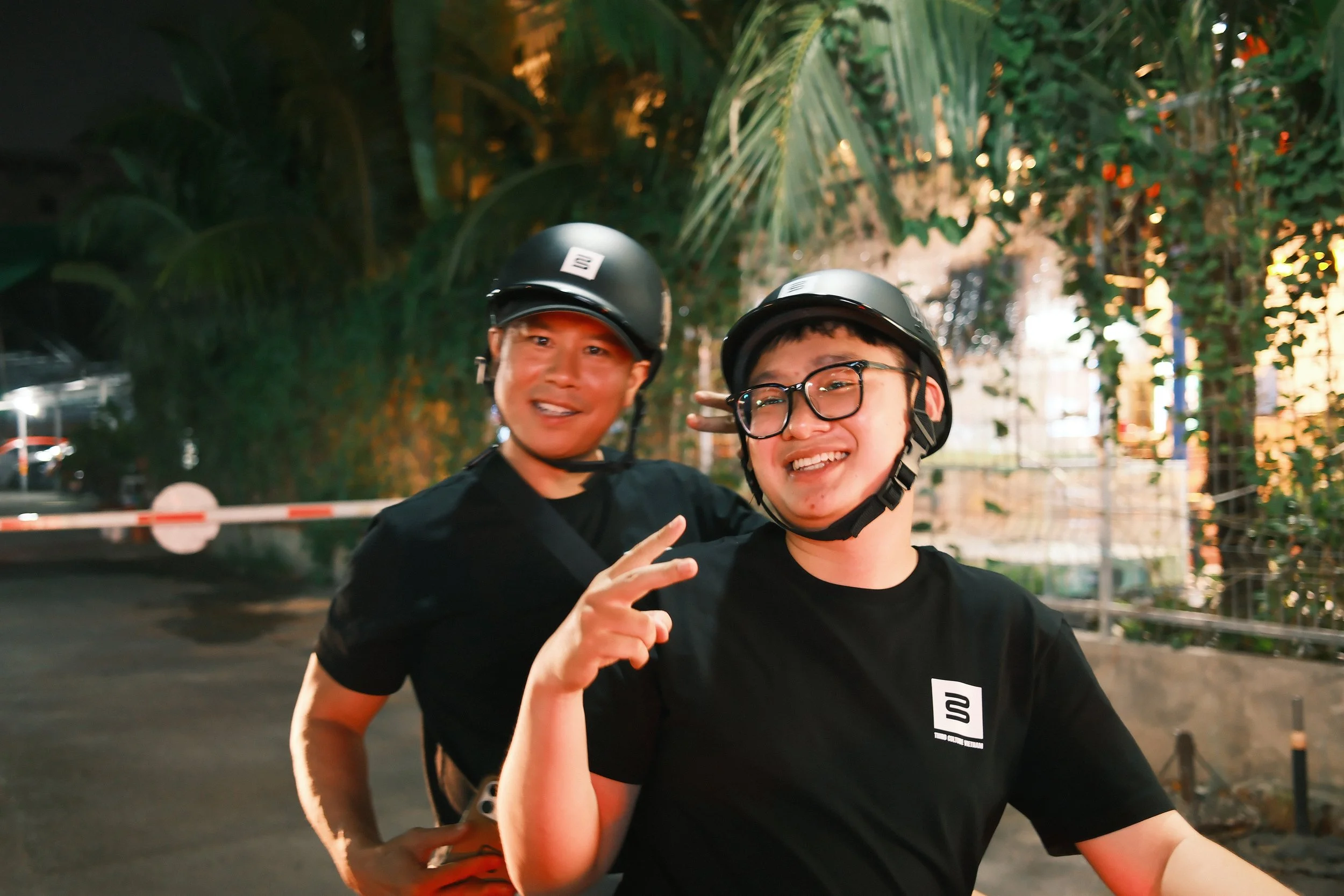
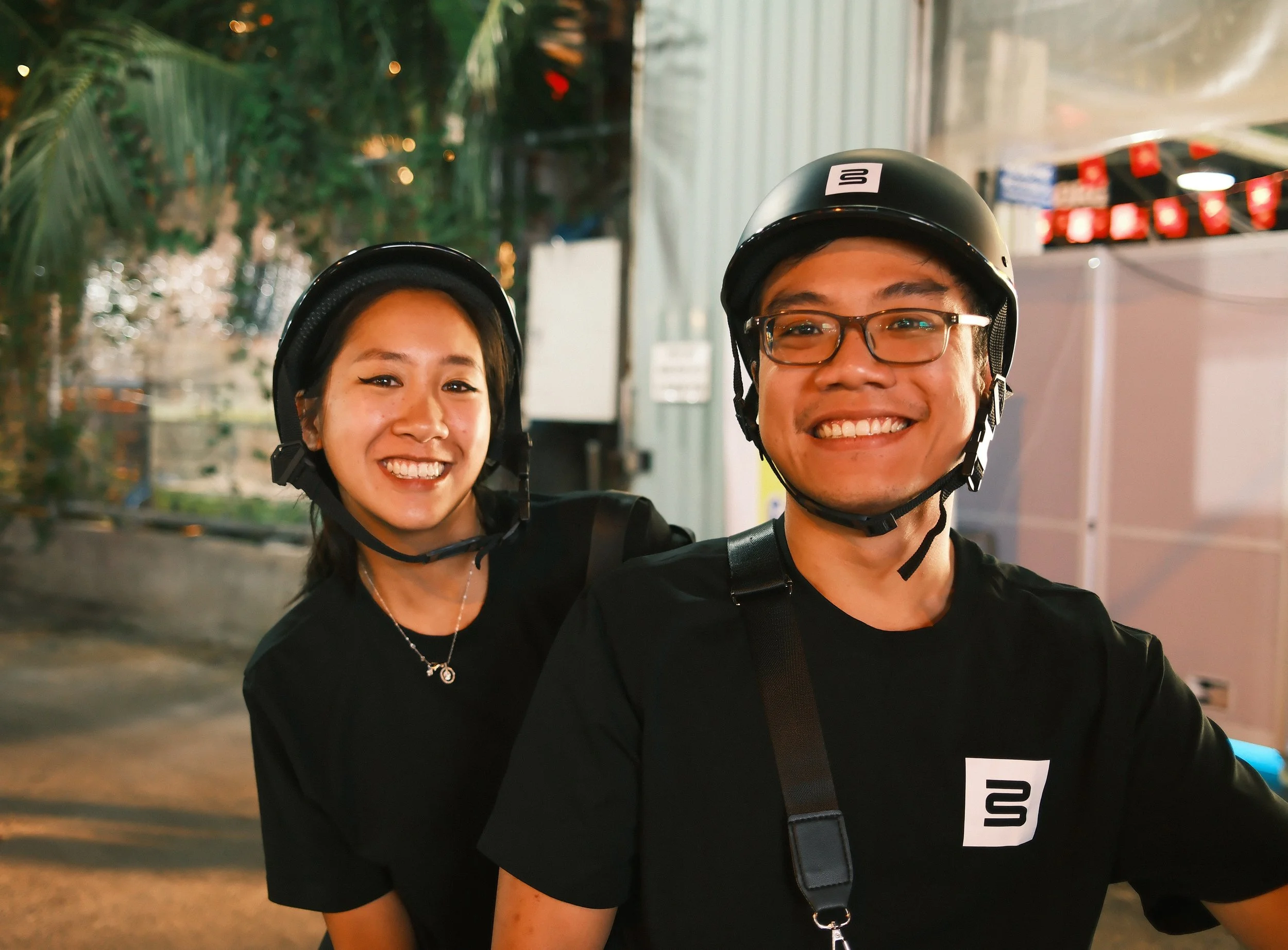
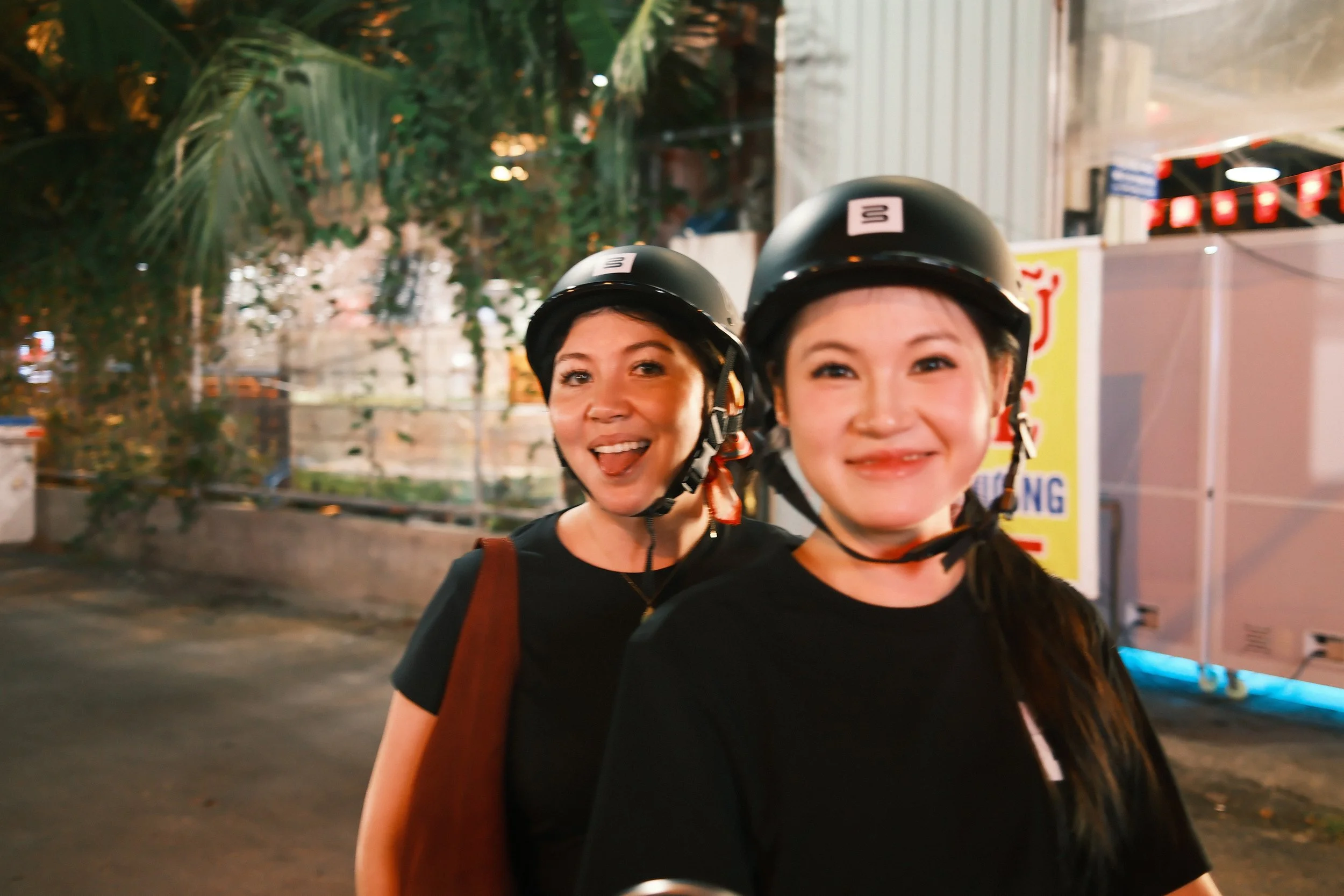
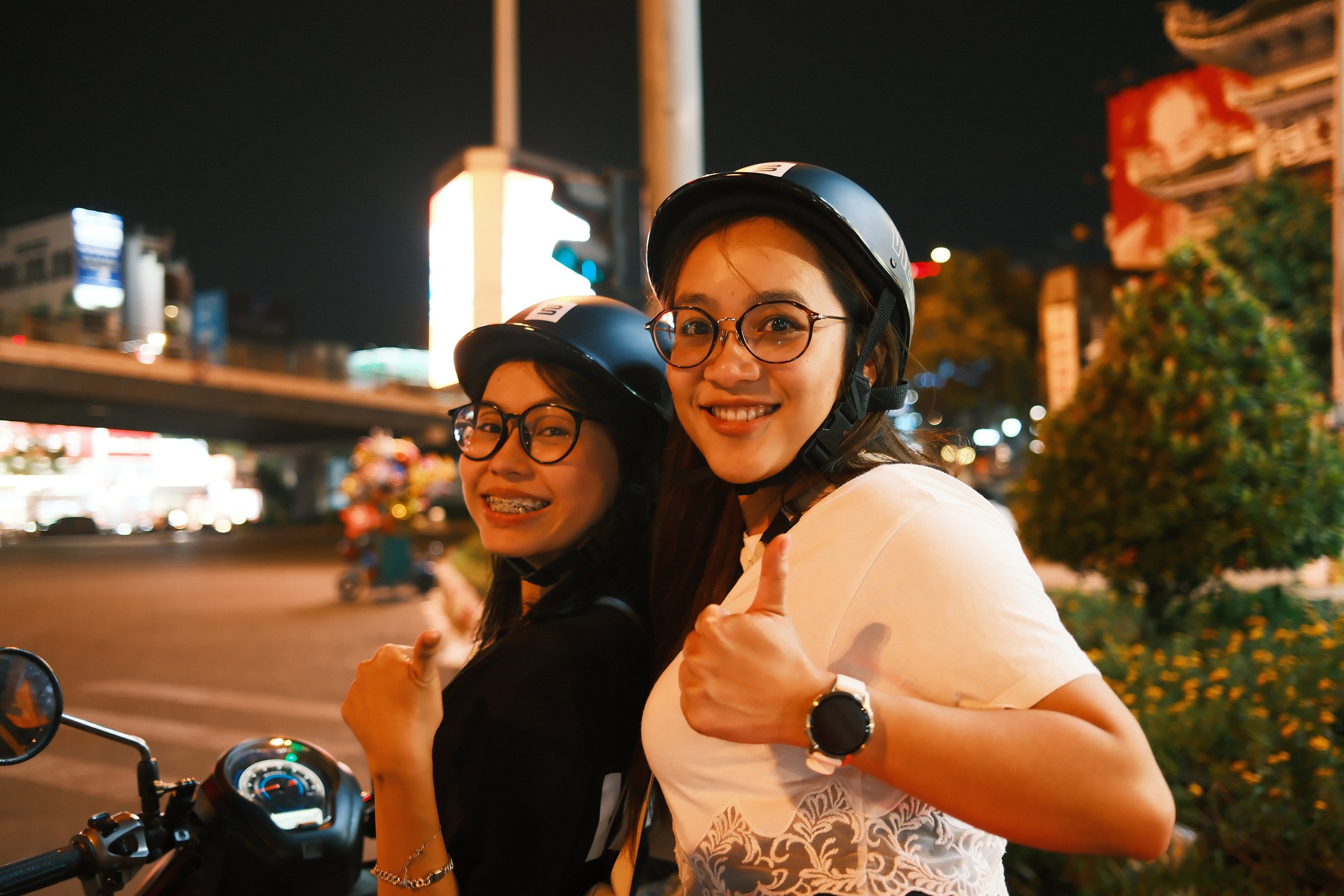
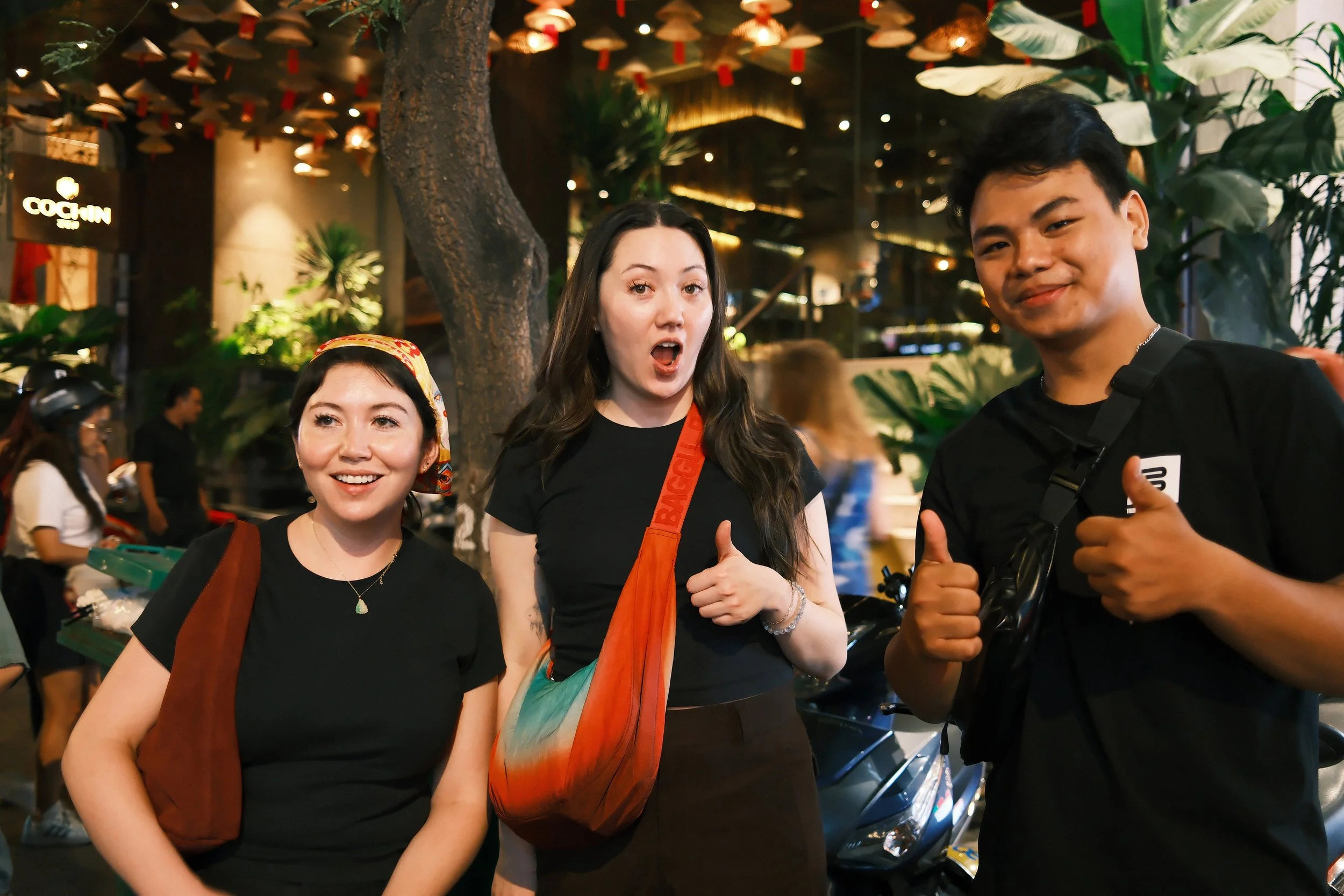
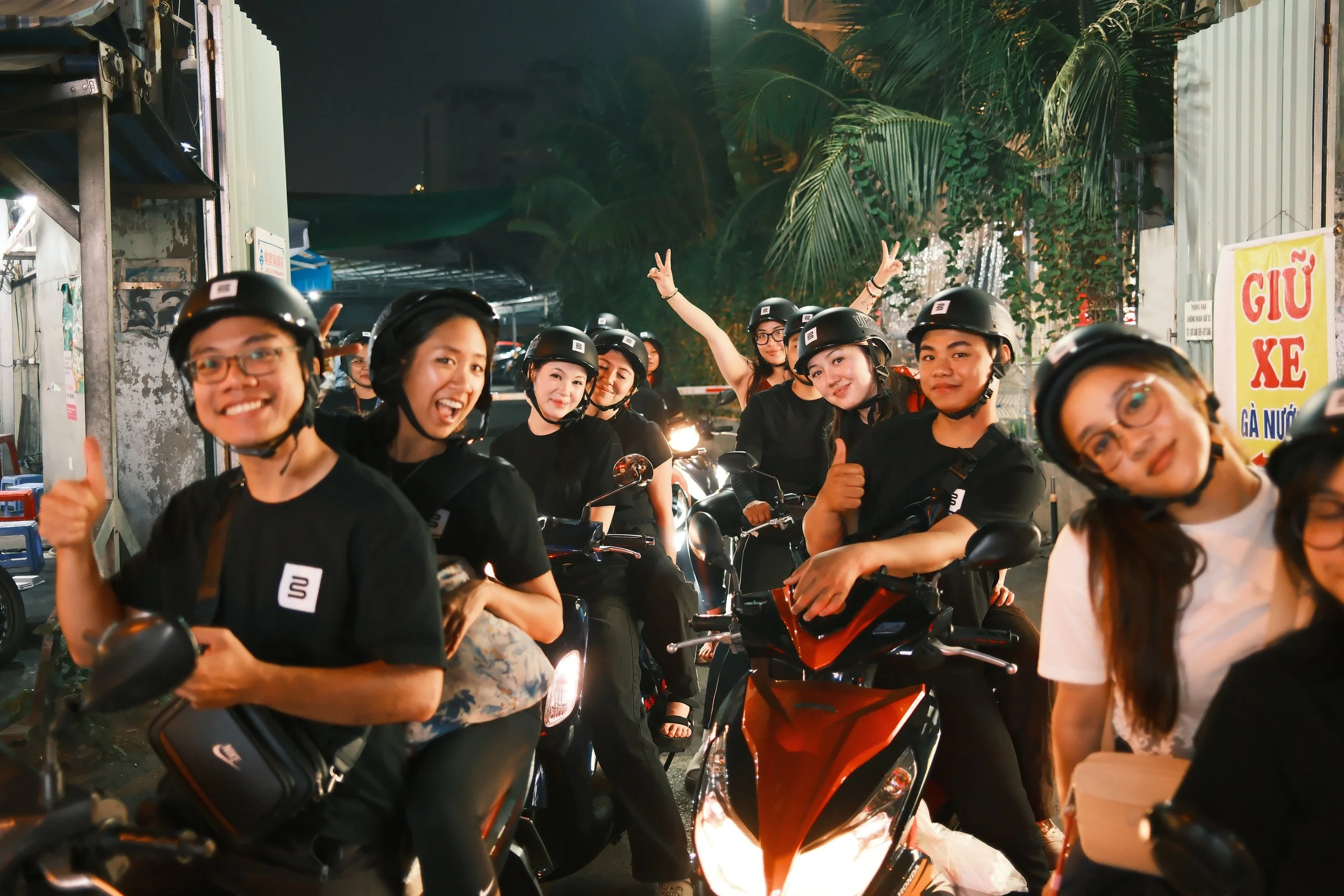
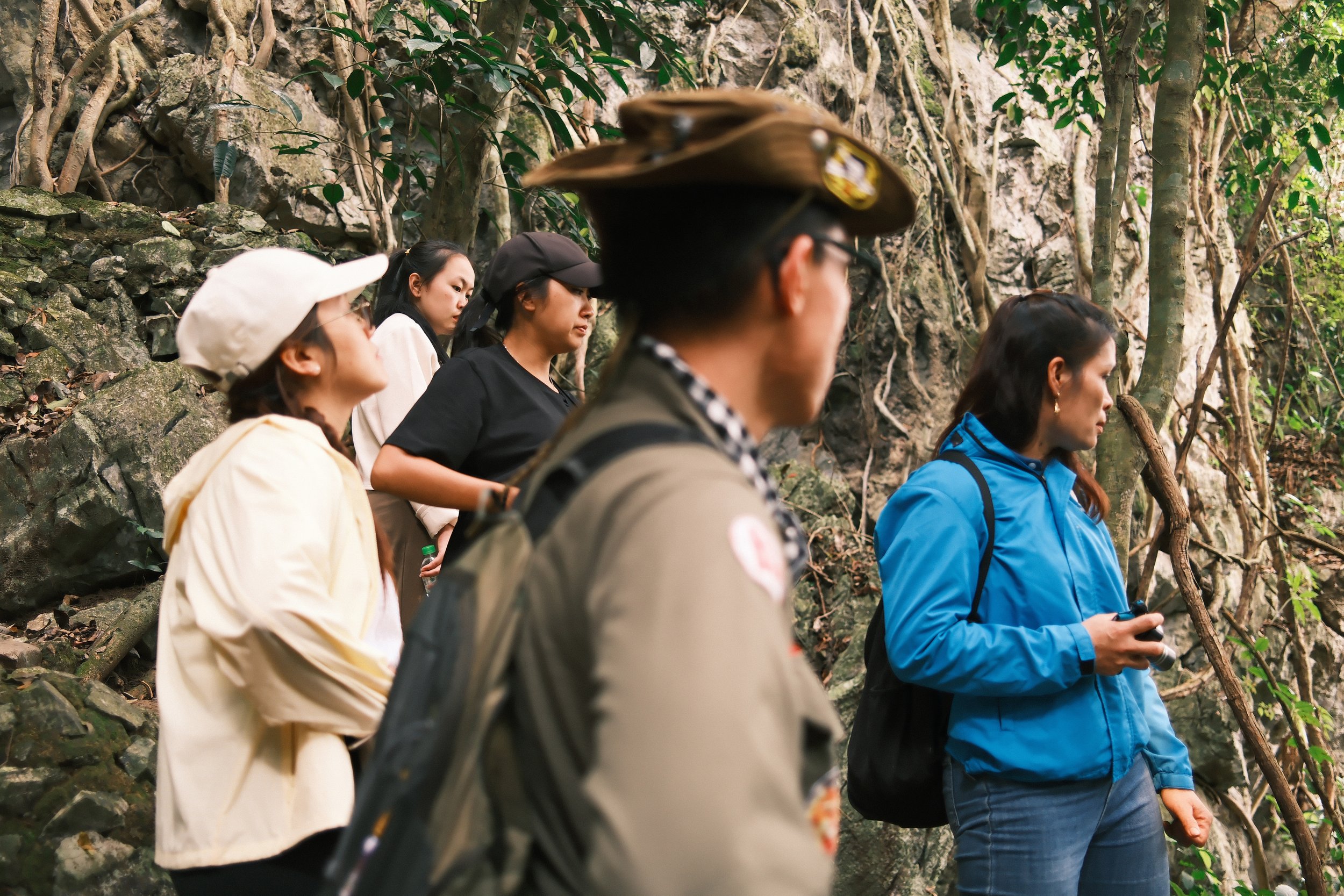
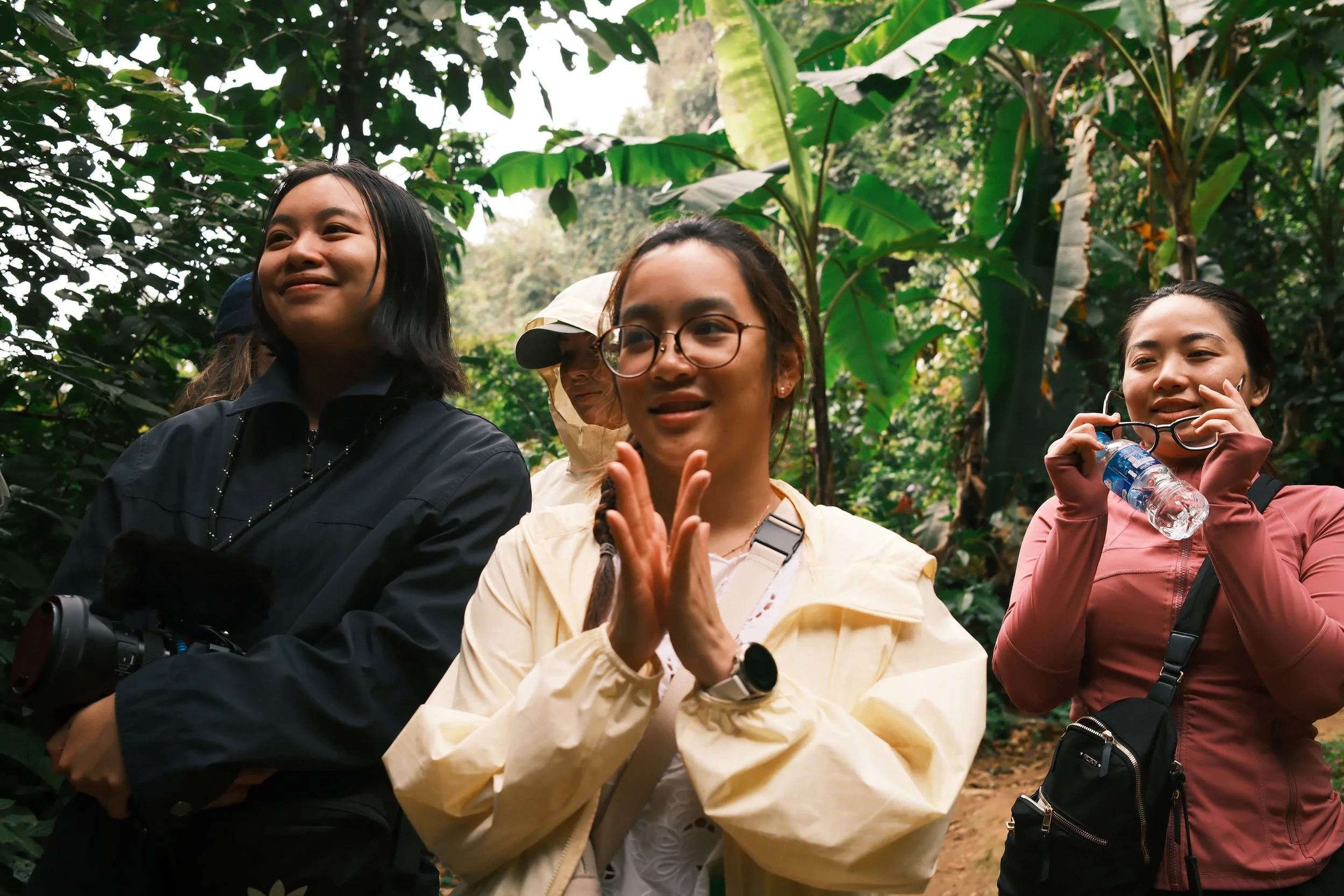
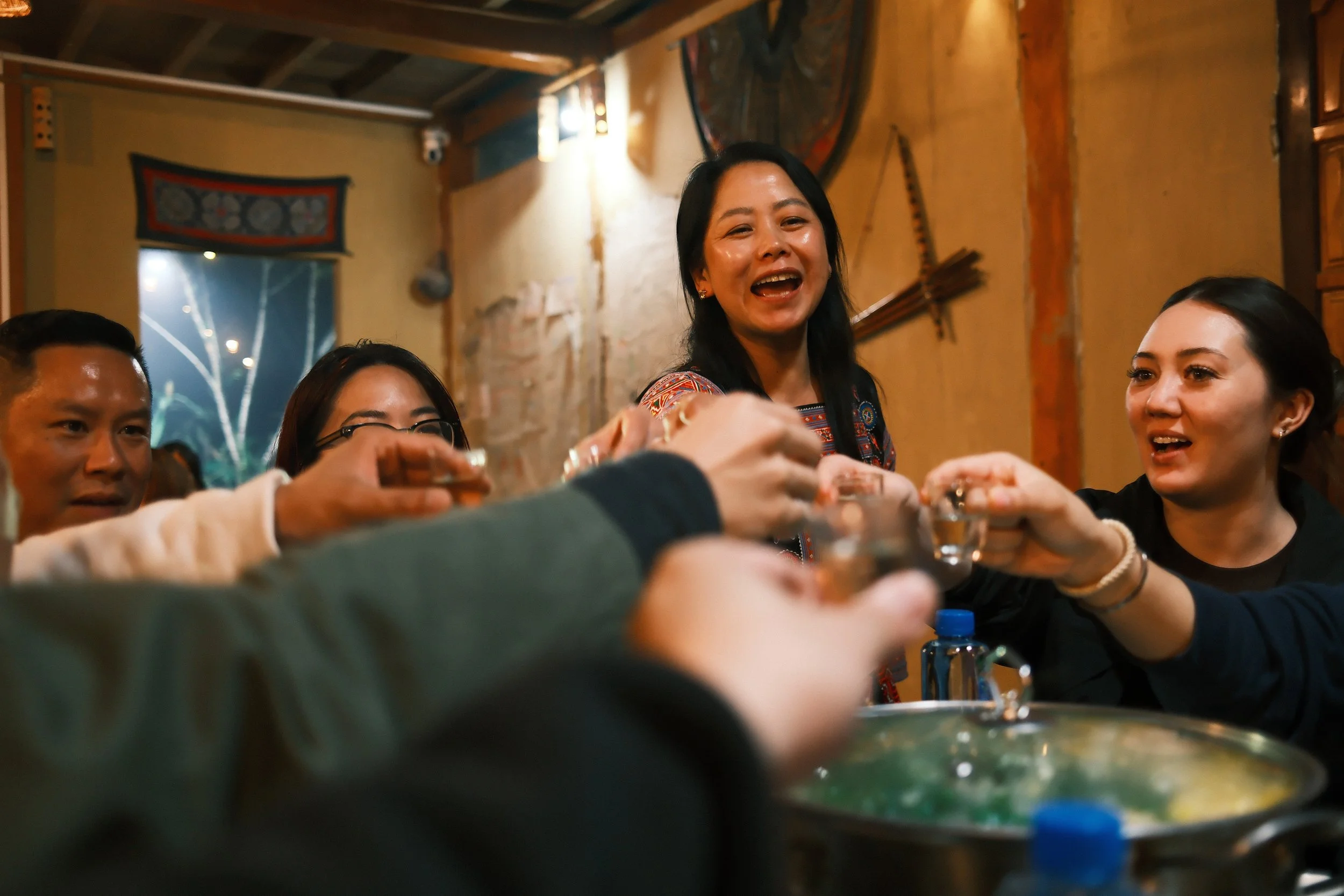
When twelve participants gather from different corners of the world, something remarkable begins to happen. Conversations that might have felt deeply personal suddenly become collective experiences. Someone shares a memory of translating official documents for their parents as a child, and another smiles because they remember doing exactly the same thing. Someone describes feeling guilty for not speaking Vietnamese fluently, only to discover others have carried that same feeling for years. Another talks about returning to Vietnam for the first time as an adult and feeling unexpectedly emotional while walking through places they had only ever heard about in family stories.
Different countries.
Different childhoods.
Different accents.
Yet beneath those differences lies a surprising familiarity.
It becomes a reminder that although our journeys have taken us across continents, many of our families navigated similar sacrifices, hopes, and challenges. The details may vary, but the emotional landscape often feels remarkably alike.
This shared understanding cannot be scheduled into an itinerary.
It emerges naturally when people are given the time and space to be vulnerable, curious, and present with one another.
In many ways, that sense of community has become one of the most meaningful parts of the experience.
Participants often arrive expecting to learn about Vietnam.
What many discover instead is a community of people asking similar questions.
Questions about culture.
Questions about family.
Questions about identity.
Questions about what it means to belong.
And perhaps that is what "created by us, for us" has always meant.
Not that these experiences are exclusive.
But that they were designed with an intimate understanding of the questions many members of the Vietnamese diaspora quietly carry. They acknowledge that reconnecting with Vietnam is rarely just about geography. It is about relationships, memory, identity, and the people we meet along the way.
That is something we couldn't find elsewhere.
So we decided to build it ourselves.
What We Learned Along the Way
When we first designed our Heritage Tours, we believed the most memorable moments would come from the places we visited.
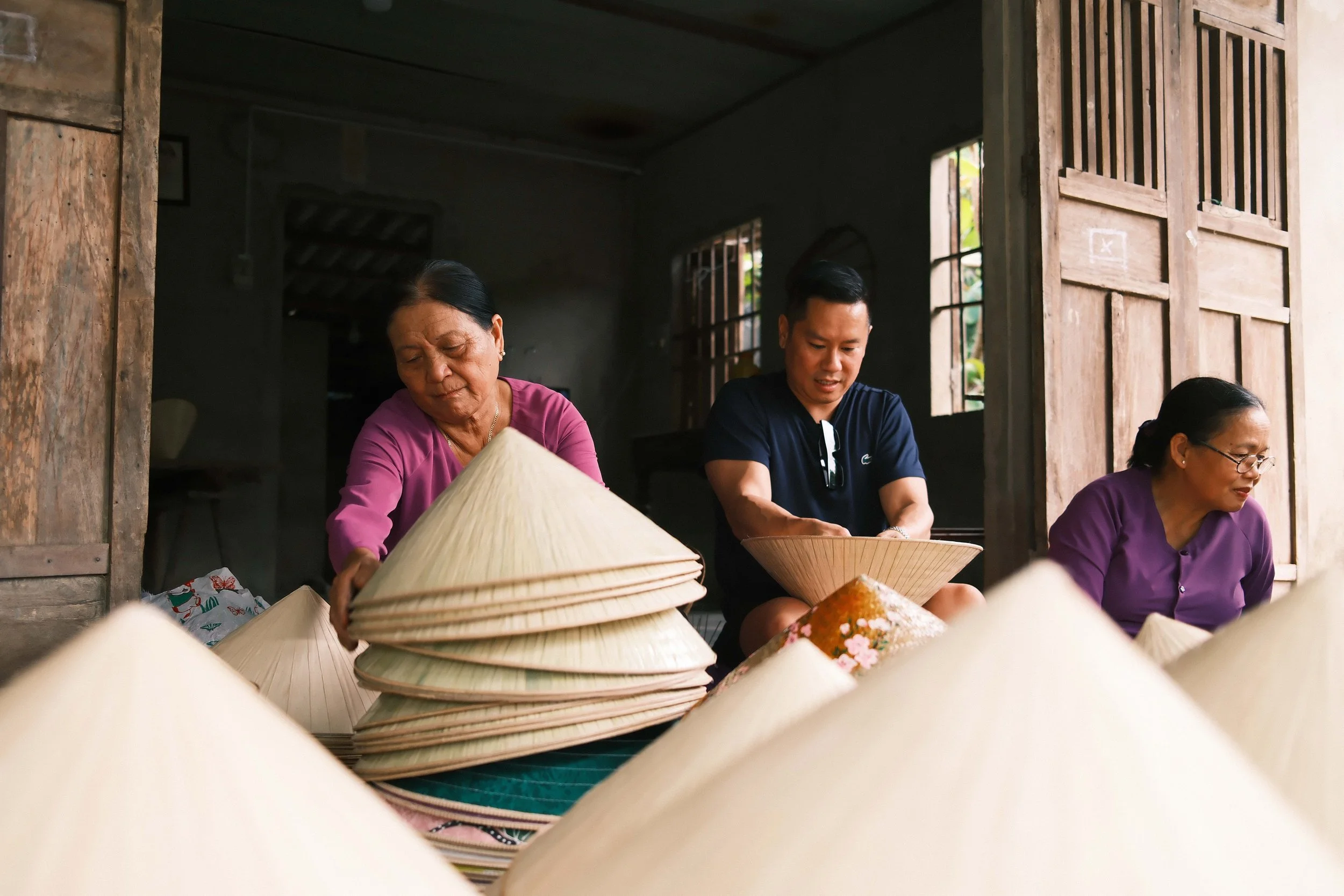
The centuries-old craft villages.
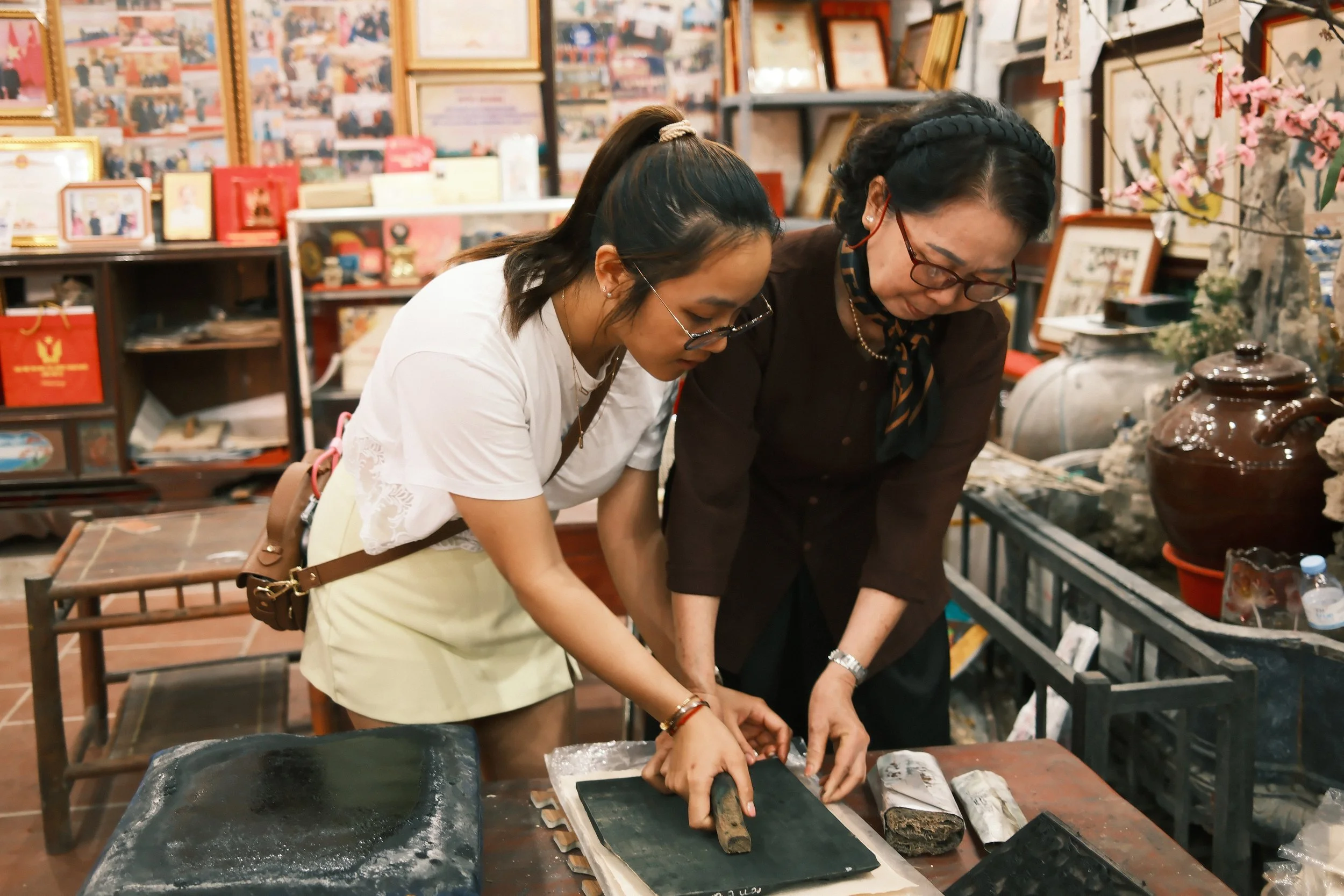
The family-run workshops.
The meals shared around a table.
The conversations with artists, historians, farmers, and community leaders.
Those moments have certainly become some of the highlights of every journey.
But over time, we realized something unexpected.
The experience people remember most often isn't a destination.
It's one another.
Travel has long been recognized as a powerful catalyst for human connection. Researchers studying transformative travel have found that meaningful travel experiences are less likely to be defined by iconic landmarks and more often by relationships, shared experiences, and moments that challenge or reshape the way people see themselves. The places matter, but it is often the people who leave the deepest impression.
We have watched this happen time and time again.
Participants arrive from different parts of the world.
Some have travelled alone.
Some know no one else in the group.
Some have never met another overseas Vietnamese outside of their own family.
Within days, those introductions begin to disappear.
Meals become longer.
Conversations become deeper.
People start sharing stories they didn't expect to tell.
There is something uniquely comforting about being surrounded by people who understand experiences you have struggled to explain throughout your life.
Growing up between cultures.
Feeling disconnected from your language.
Trying to understand your parents without fully understanding their past.
Returning to Vietnam and wondering whether you belong.
These are conversations that many members of the diaspora carry privately.
Yet when shared within a group, they often become moments of recognition rather than isolation.
One person describes feeling like an outsider in both countries.
Another quietly nods.
Someone talks about the pressure of carrying expectations across generations.
Others immediately understand.
Not because they lived identical lives, but because the emotional landscape feels familiar.
Psychologists often describe this as the importance of shared identity. Studies suggest that people experience stronger feelings of belonging and emotional safety when surrounded by others who share similar lived experiences, even when those experiences have unfolded in different countries or cultural settings. That sense of recognition can reduce feelings of isolation and strengthen social connection, particularly among diaspora communities navigating questions of identity.
Perhaps that explains why many participants leave saying they found something they didn't realize they were looking for.
They came expecting to reconnect with Vietnam.
Instead, they also reconnected with themselves.
We've also learned that healing doesn't always arrive through dramatic moments.
Sometimes it happens quietly.
During breakfast conversations.
Walking through a local market.
Helping prepare a family meal.
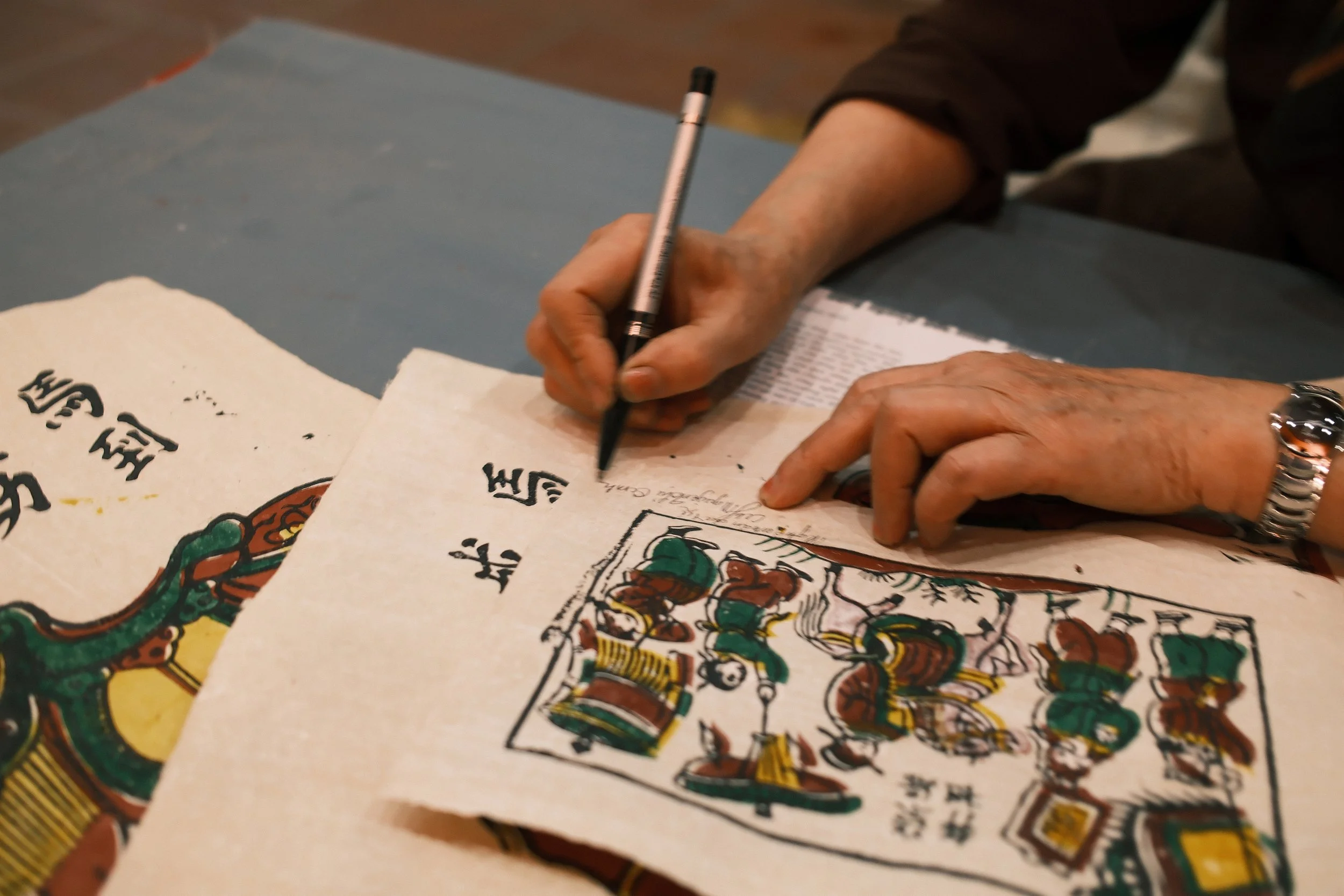
Watching an artisan explain a tradition that has been passed down through generations.
Or sitting together after dinner, realizing that despite growing up in Sydney, Paris, Toronto, Berlin, London, or California, many of our parents shared remarkably similar hopes, fears, sacrifices, and dreams.
That realization changes something.
It reminds us that while our families may have travelled different paths across the world, they remain connected by histories that continue to shape who we are today.
This is why we intentionally keep our groups small.
In an industry where larger group sizes often make economic sense, we have chosen a different approach.
Limiting each Heritage Tours allows conversations to unfold naturally, relationships to develop organically, and every participant to contribute their own perspective.
The goal has never been to move twelve people through Vietnam as efficiently as possible.
The goal has always been to create enough space for twelve people to leave feeling more connected than when they arrived.
Not only to Vietnam.
But to each other.
And perhaps most importantly, to themselves.
Learning Through Experience
For generations, education has often been associated with classrooms, textbooks, and museums. While these institutions play an important role in preserving history and knowledge, they are only one way of understanding a culture.
Some of the most meaningful lessons are learned through participation.
Anthropologists have long argued that culture is not something we simply observe. It is something we experience. It is found in everyday rituals, conversations, relationships, craftsmanship, food, music, and traditions that continue to evolve through the people who practice them. This approach, often referred to as experiential learning, suggests that lasting understanding comes not from collecting information but from engaging directly with the people and communities who carry that knowledge forward.
This philosophy became the foundation of our Heritage Tours.
Rather than asking, "What should people see?" we began asking, "Who should people meet?"
The answer transformed the way we designed every journey.
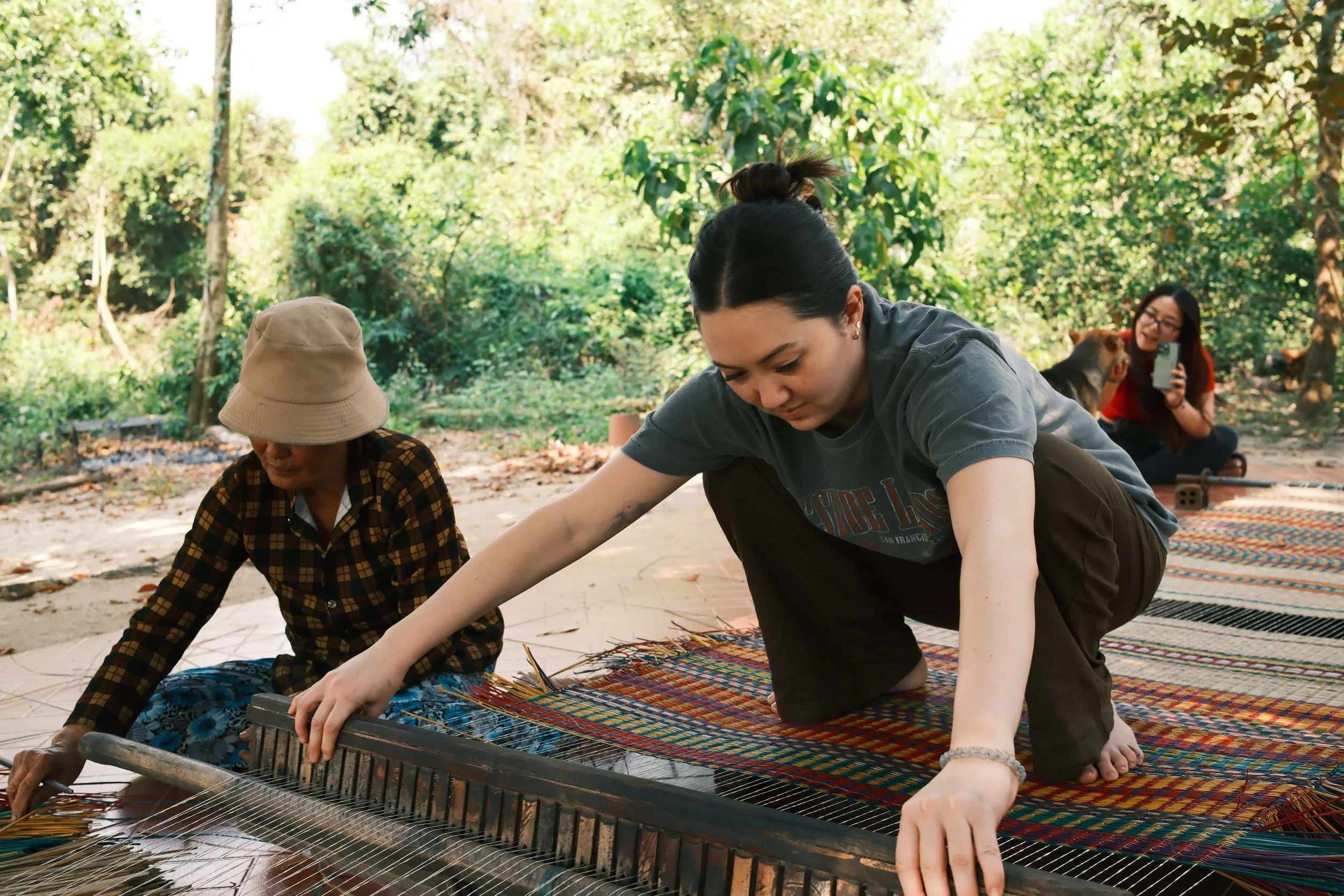
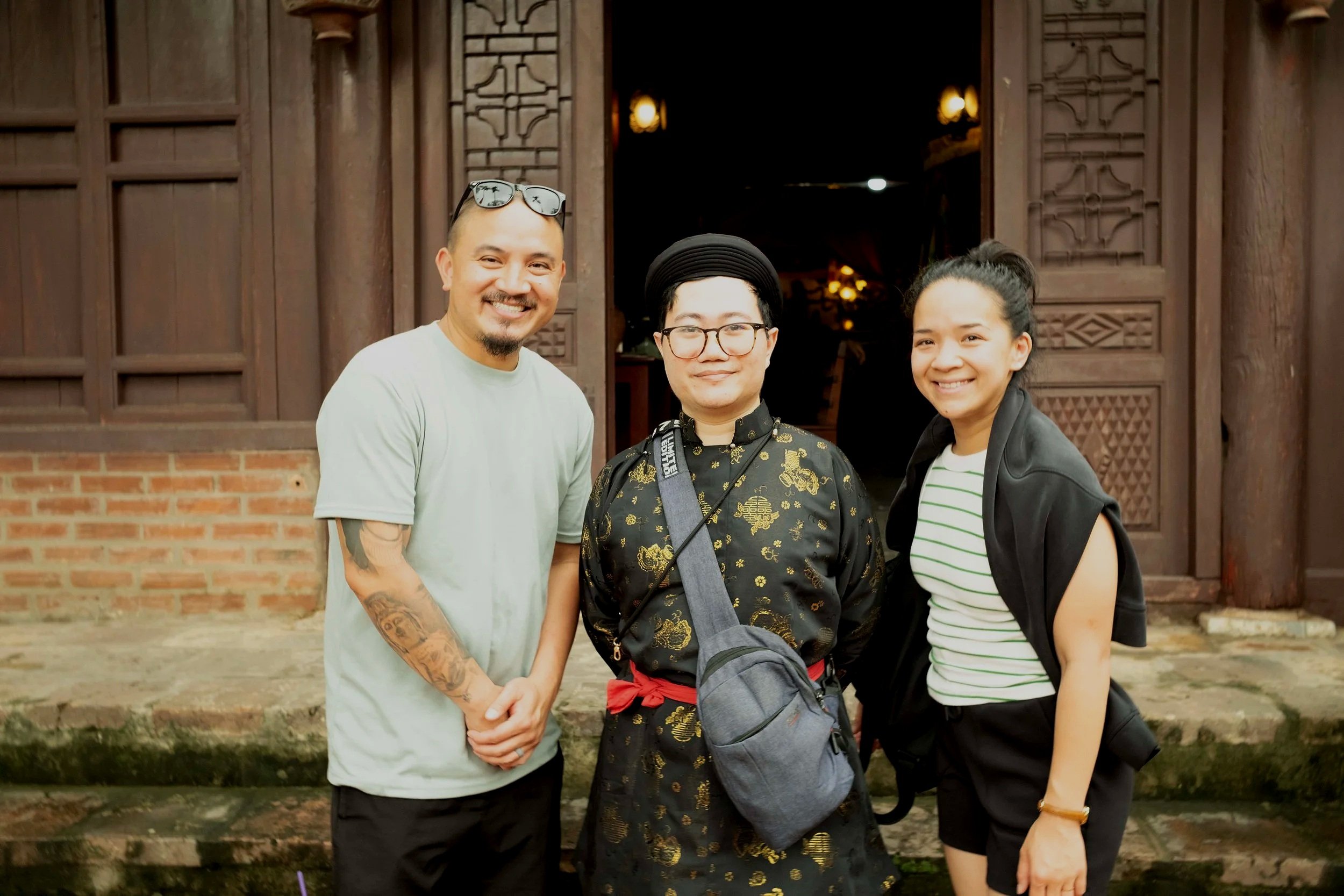
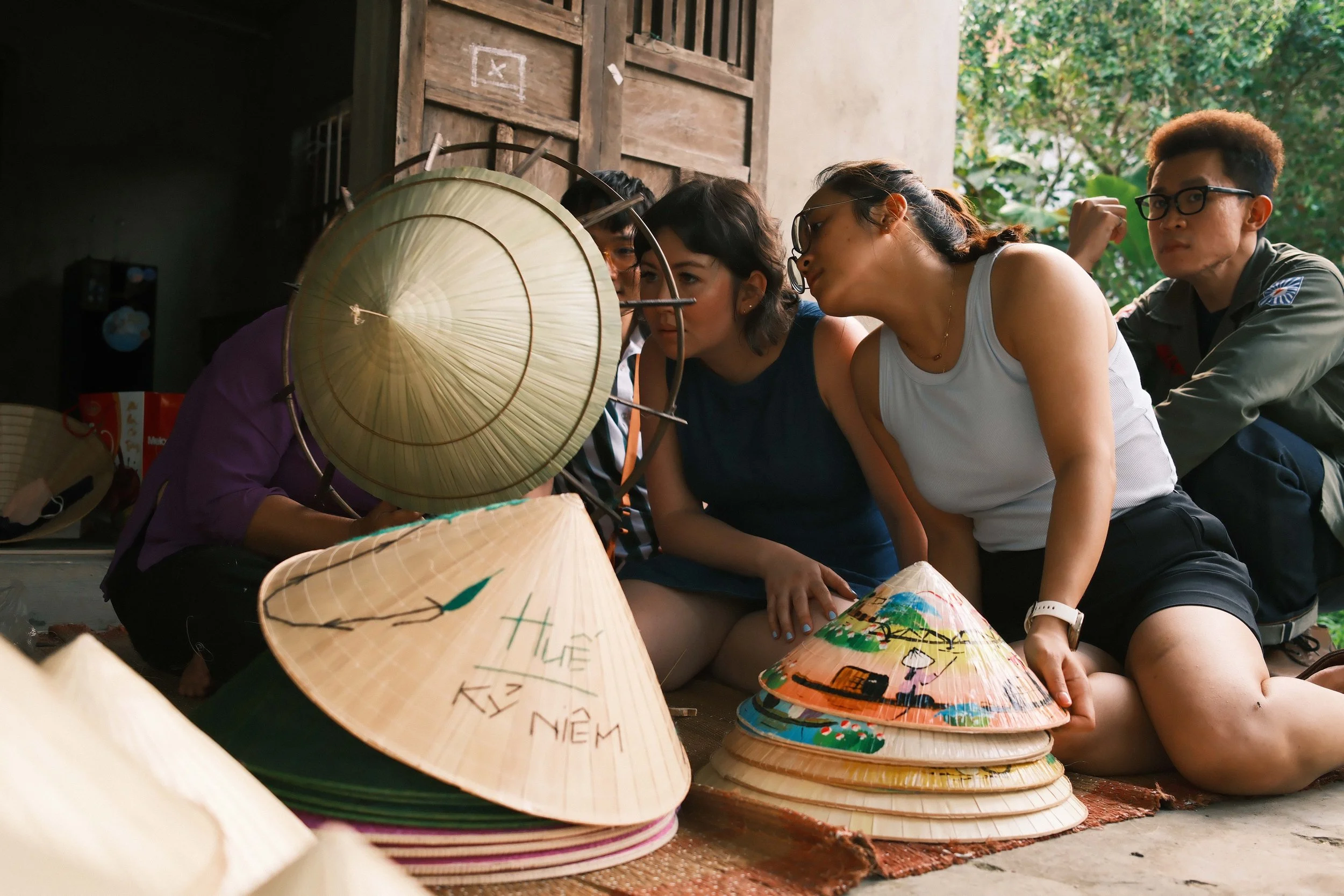
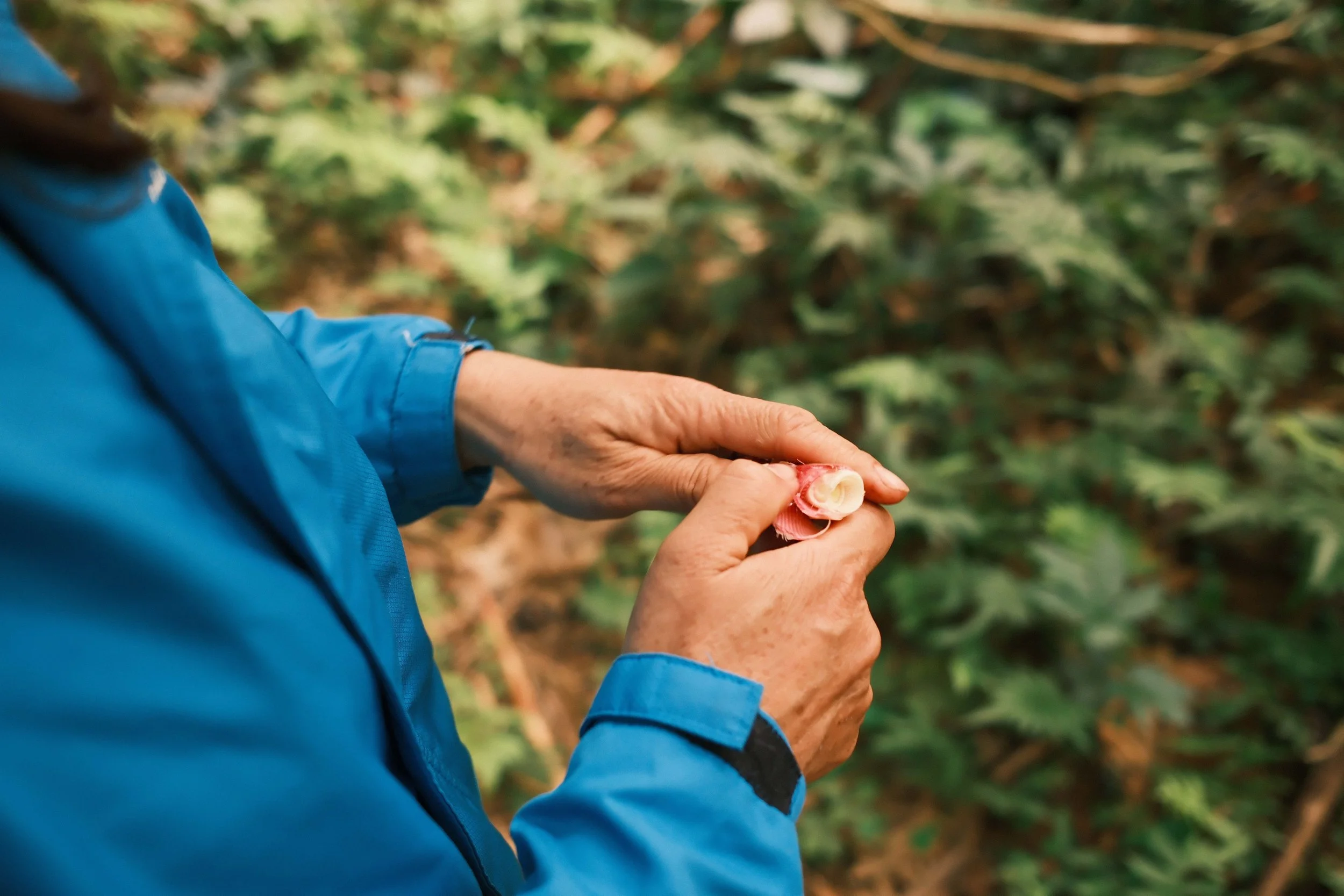
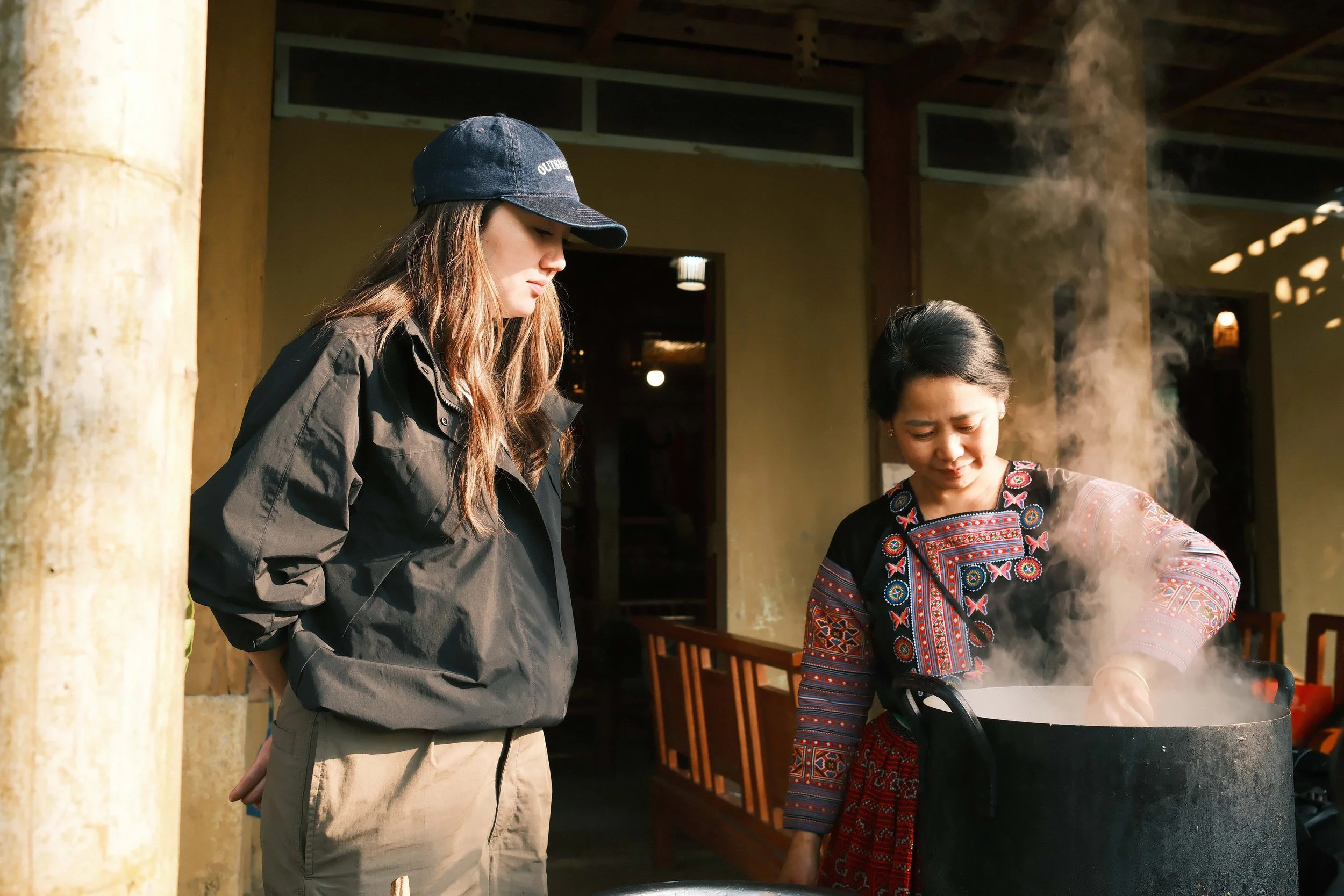
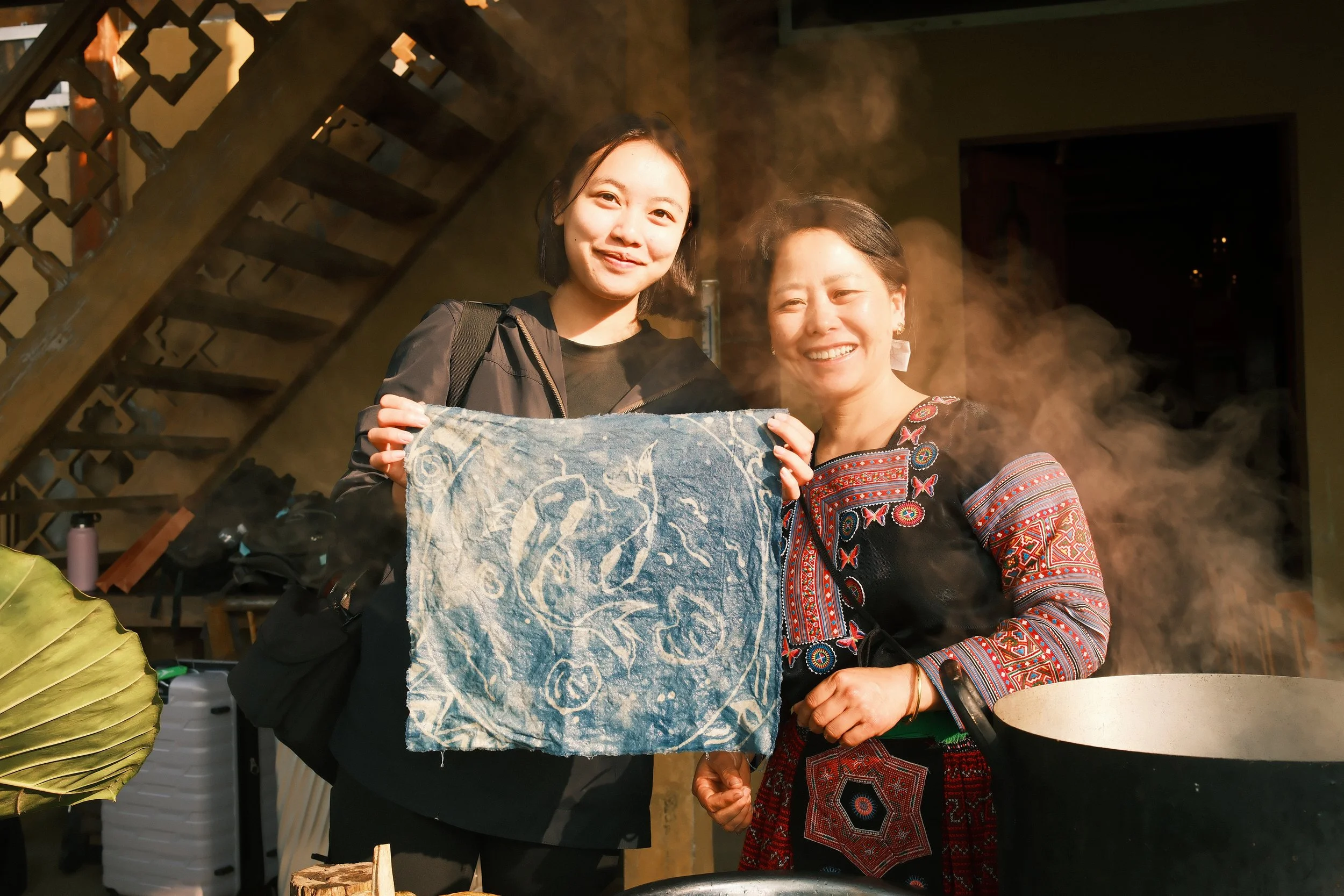
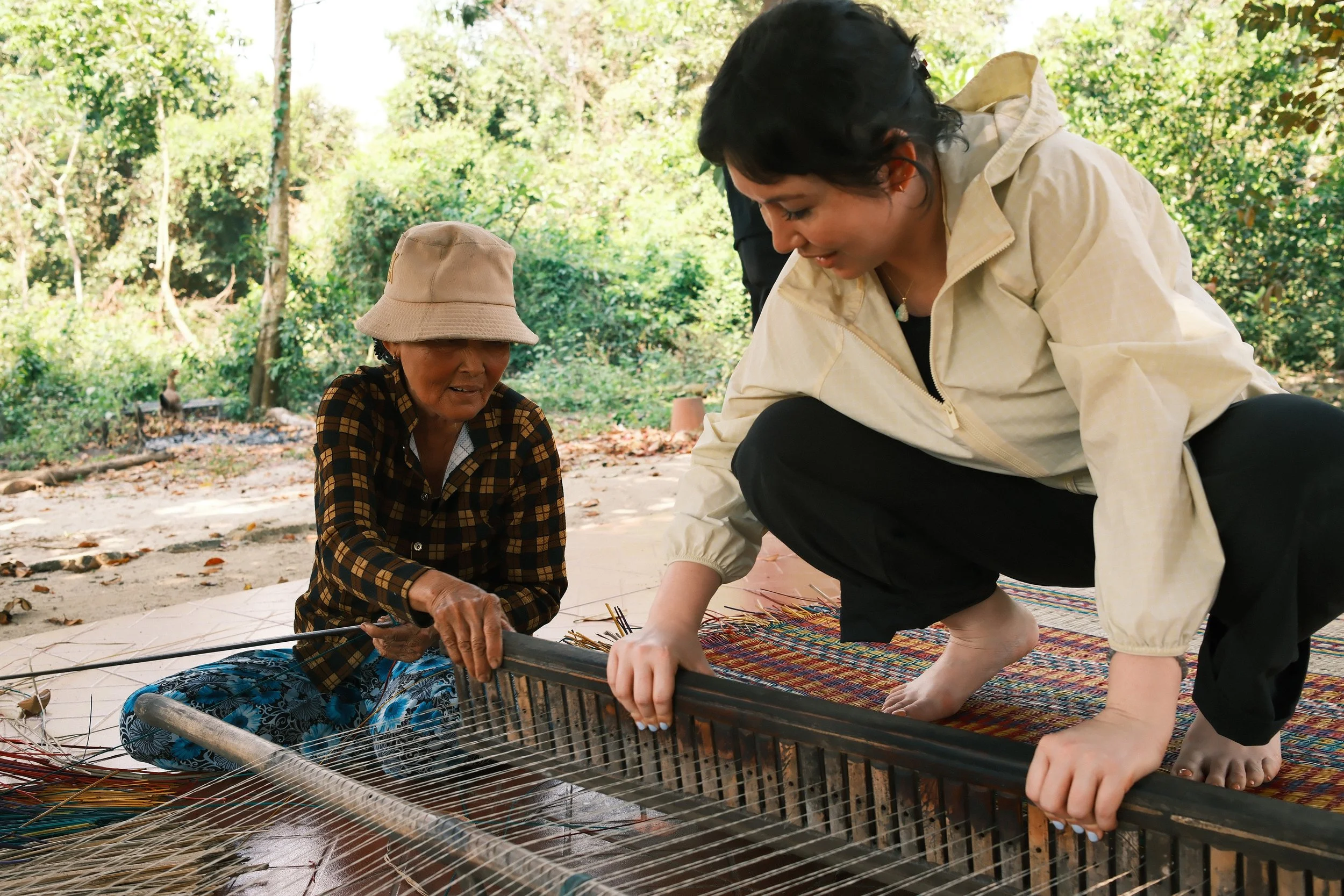
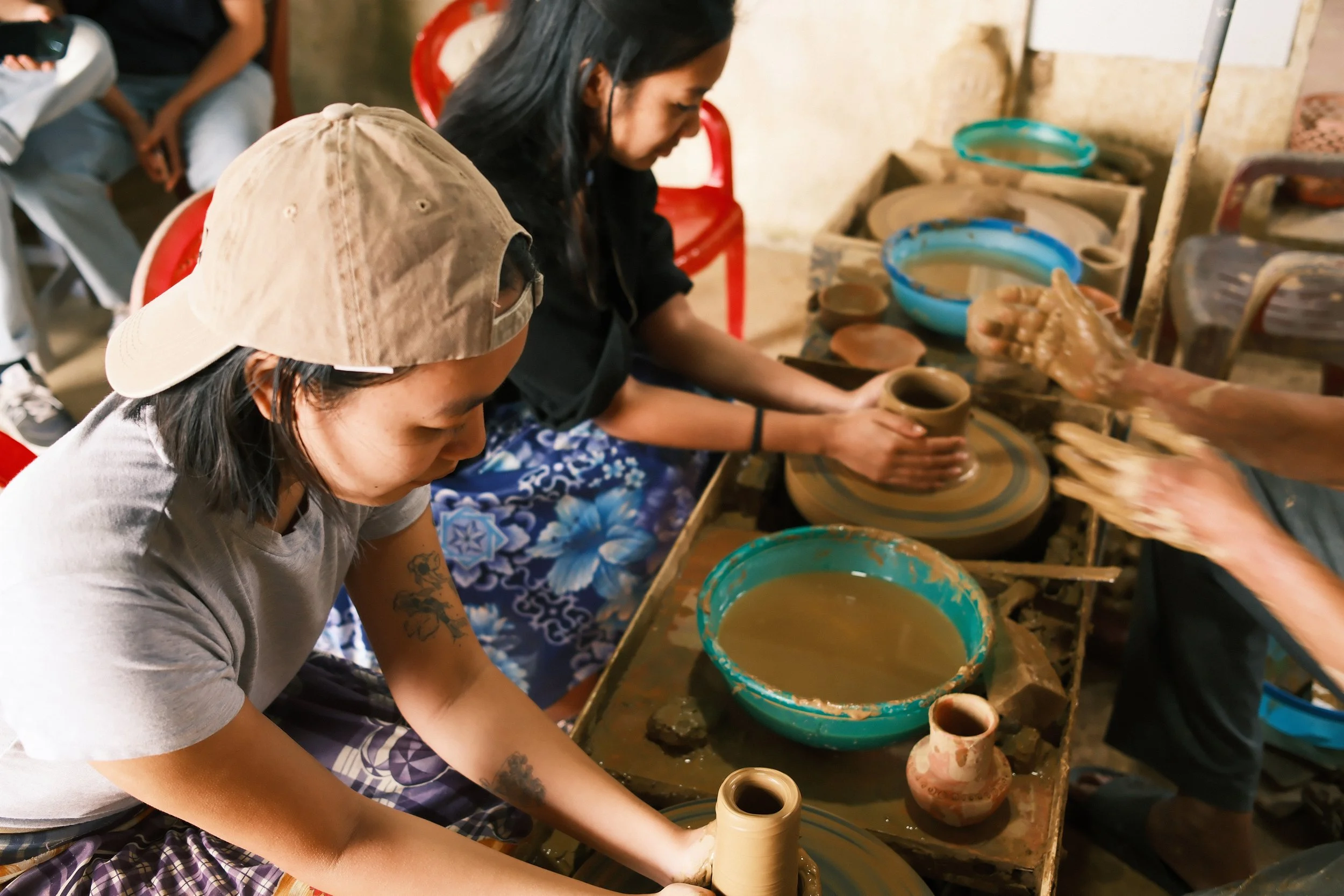
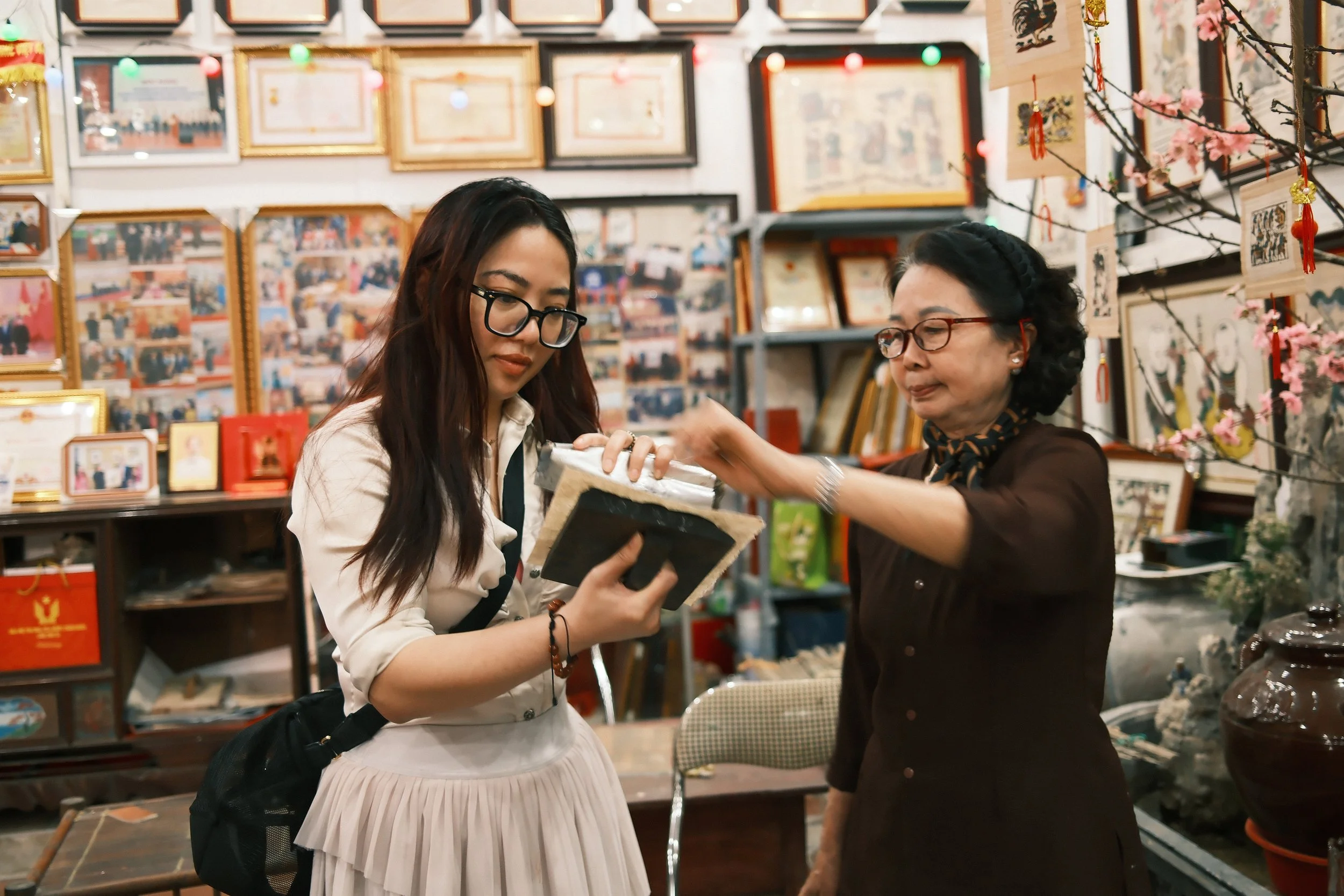
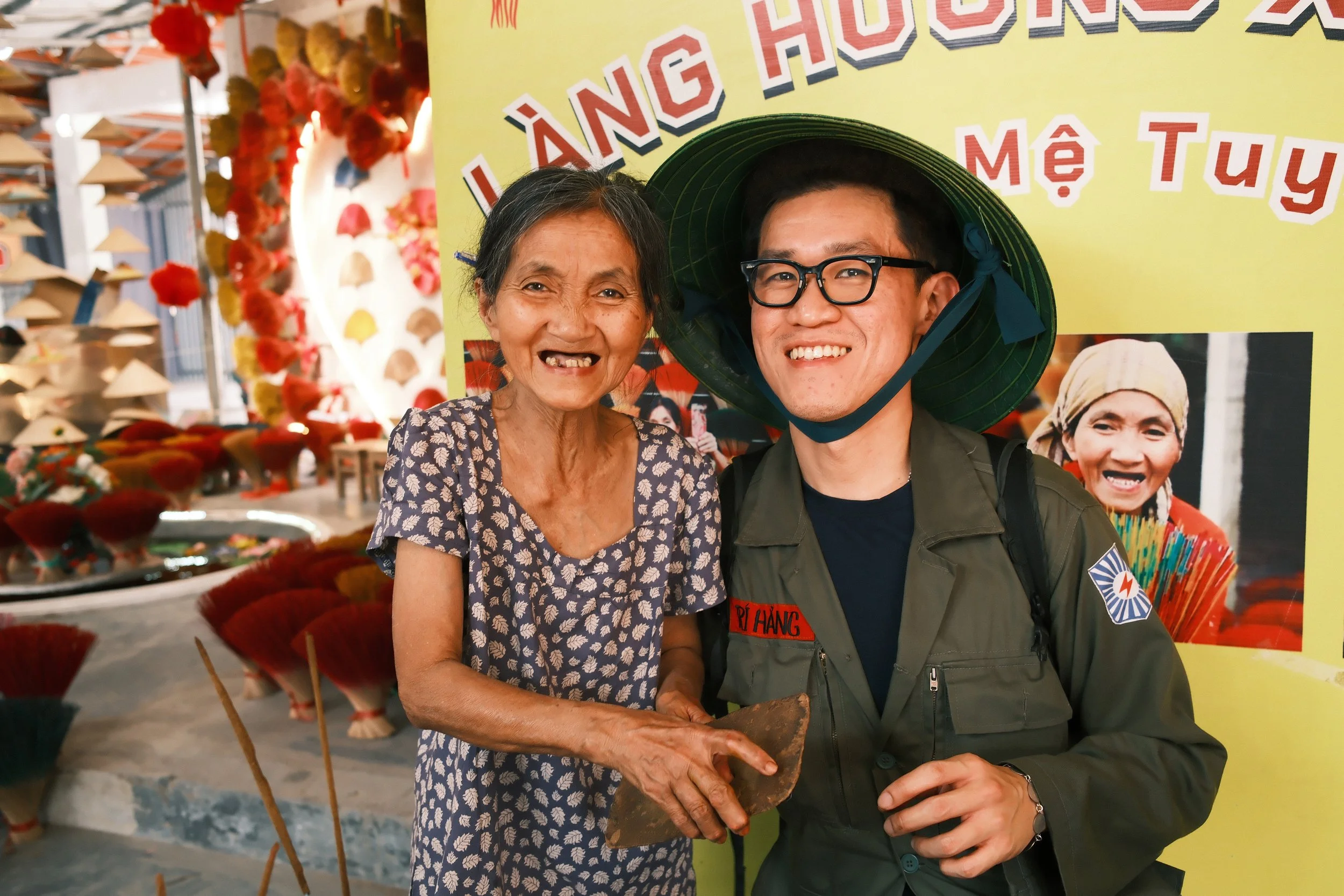
Instead of rushing from one landmark to another, we spend time with artisans who have dedicated their lives to preserving traditional crafts. We sit with families who continue practices passed down through generations. We visit farming communities, fishing villages, independent makers, local historians, chefs, musicians, and small business owners whose stories rarely appear in guidebooks but are woven into Vietnam's cultural identity.
These experiences are intentionally unhurried.
There is time to ask questions.
Time to observe.
Time to listen.
Time to participate.
Research on community based tourism has consistently shown that travelers seeking meaningful cultural experiences value authentic interaction with local communities over passive sightseeing. Studies published by the United Nations World Tourism Organization (UN Tourism) suggest that immersive experiences not only create deeper understanding for visitors, but also generate more sustainable economic opportunities for local communities by directing tourism spending toward independent businesses, artisans, and cultural practitioners.
For us, this is an important distinction.
We don't believe culture should be consumed.
We believe it should be shared.
That means approaching every community with humility rather than expectation. It means recognizing that we are guests. We are not arriving to extract stories or photograph traditions simply because they appear interesting. We are invited into spaces where people generously share parts of their lives, their histories, and their knowledge.
That relationship carries responsibility.
It asks us to listen more than we speak.
To remain curious rather than certain.
To value conversation as much as the destination itself.
Over the years, we've found that some of the moments participants remember most are often the simplest.
Watching an artisan explain why a particular technique has remained unchanged for generations.
Preparing a meal alongside a local family and discovering that food carries stories as much as flavor.
Sharing tea after a workshop and talking about everyday life rather than history books.
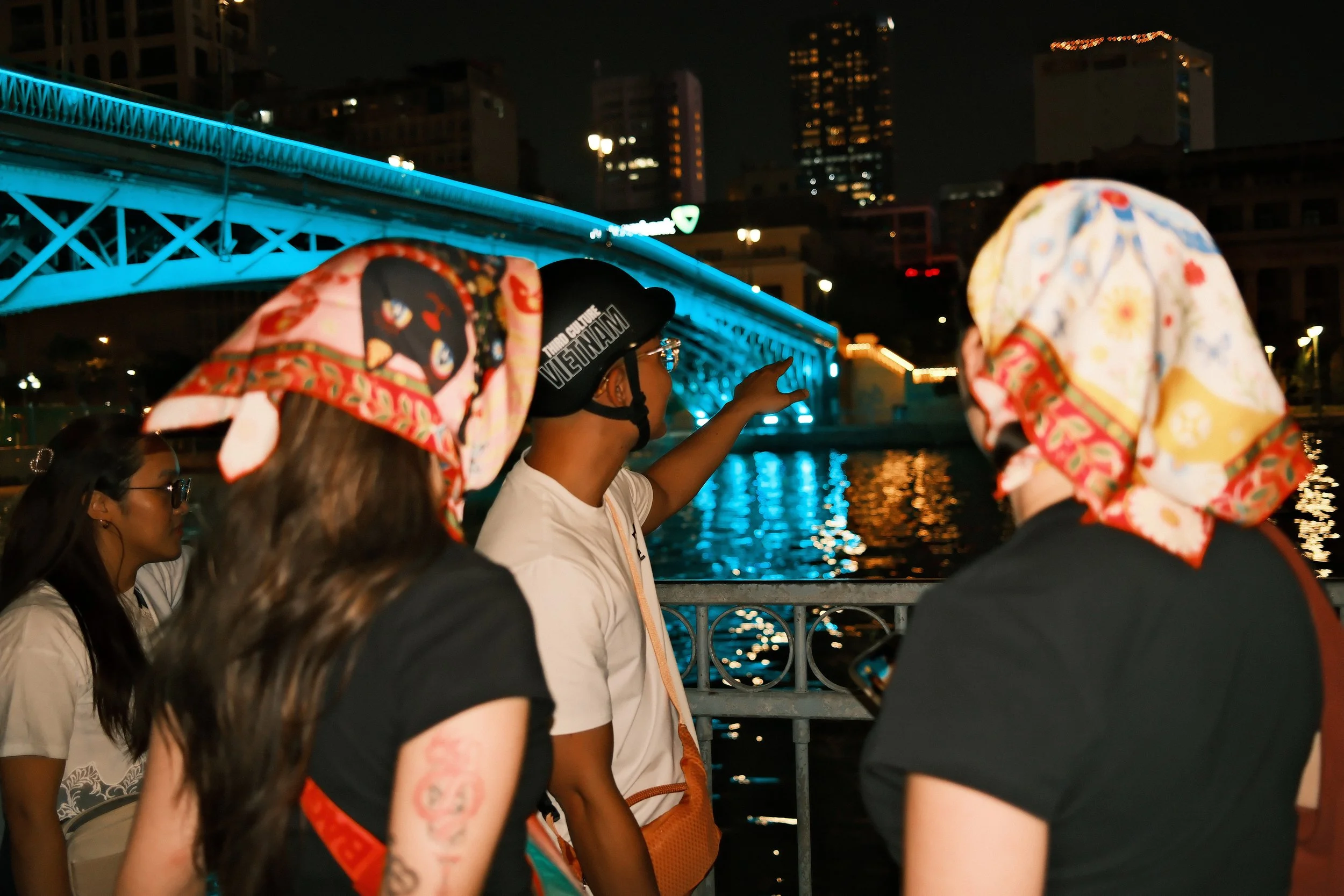
Walking through a neighborhood with someone who has spent their entire life there, pointing out details that most visitors would never notice.
These moments rarely appear on a travel brochure.
Yet they are often the experiences people describe months or even years later.
Perhaps that is because they move beyond information.
They become relationships.
For many members of the Vietnamese diaspora, these encounters offer something equally valuable.
They provide context.
History begins to feel personal.
Traditions become living practices rather than museum displays.
Vietnam transforms from an abstract idea inherited through family stories into a place shaped by real people whose generosity, resilience, and creativity continue to define the country today.
This is why we often say our Heritage Tours are designed to learn through experience rather than observation.
Not because museums and historic sites are unimportant. We continue to visit many places that help us understand Vietnam's history and cultural development.
But because culture does not end when you leave a museum.
It continues in someone's home.
In a workshop.
At a market.
Around a family table.
In the conversations that happen when people choose to share their lives with you.
Those are the moments that stay with us long after the journey ends.
And perhaps those are the moments that help us understand Vietnam not simply as a destination, but as a living, evolving culture that continues to shape all of us in different ways.
Travel With Intention
Travel has never been more accessible, and perhaps because of that, it has never been easier to mistake movement for connection. Vietnam is filled with remarkable places to discover, from the limestone cliffs of Ninh Bình and the lantern-lined streets of Hội An to the coffee farms of the Central Highlands and the waterways of the Mekong Delta. Yet the places we remember most are rarely defined by their beauty alone. More often, they are remembered because of the people we met, the conversations we had, and the perspectives we carried home with us.
Around the world, there is a growing shift toward what researchers call slow travel, community based tourism, and meaningful travel. Rather than encouraging travelers to visit as many destinations as possible, these approaches emphasize spending more time in fewer places, engaging with local communities, supporting independent businesses, and developing a deeper understanding of local culture. The Global Sustainable Tourism Council (GSTC) and UN Tourism have both highlighted that meaningful travel creates stronger outcomes not only for visitors, but also for the communities that welcome them.
For members of the Vietnamese diaspora, this idea often takes on another layer of meaning.
Returning to Vietnam is rarely just about seeing a country. It is about reconnecting with family histories, understanding inherited traditions, and discovering the context behind stories that may have been passed down for generations. While every journey is different, many people arrive carrying questions that extend far beyond sightseeing.
How did my parents grow up?
What shaped my grandparents' lives?
Why do certain traditions still matter to my family?
Where do I fit within this story?
Those answers are rarely found by moving quickly from one attraction to the next.
They are found in conversations.
In shared meals.
In quiet moments spent listening rather than speaking.
In choosing to spend an afternoon learning from an artisan instead of rushing toward another landmark.
In asking questions with curiosity instead of arriving with assumptions.
Intentional travel is not about avoiding popular destinations. Many of Vietnam's most visited places deserve every bit of their reputation. Rather, it is about approaching the country with openness, humility, and a willingness to learn. It means recognizing that every region has its own identity, every family has its own story, and every community offers a different perspective on what it means to be Vietnamese.
For us, traveling with intention also means being conscious of the impact we leave behind. Supporting local businesses, respecting cultural traditions, hiring local guides, participating in community led experiences, and taking the time to understand the people behind a place all contribute to a more meaningful and sustainable form of tourism.
If you're planning your own journey to Vietnam, our encouragement is simple.
Slow down.
Spend more time in fewer places.
Ask your parents or grandparents about the places they once called home before you arrive.
Learn a few words of Vietnamese.
Support local cafés, family-run businesses, and independent artisans.
Leave room in your itinerary for unexpected conversations.
Most importantly, allow yourself to experience Vietnam beyond its landmarks.
Because the journeys we remember most are rarely defined by everything we managed to see.
They are defined by the relationships we built, the stories we heard, and the ways we allowed those experiences to change us.
At Third Culture Vietnam, we believe intentional travel is not about checking destinations off a list.
It is about returning home with a deeper understanding of a country, a culture, and perhaps even yourself.
Giving Back to the Communities We Learn From
One of the questions we asked ourselves early on was simple:
If we are learning from these communities, what are we giving back?
Travel has the power to create meaningful cultural exchange, but it also has the potential to place pressure on the very places people come to experience. As tourism continues to grow across Vietnam, there is an increasing responsibility for both travelers and tour operators to consider how their presence affects local communities.
According to the United Nations World Tourism Organization (UN Tourism), sustainable tourism should not only enhance the visitor's experience, but also improve the well-being of host communities by creating long-term economic, social, and cultural benefits. In other words, tourism should be something communities participate in and benefit from, not simply something that happens around them.
That philosophy has shaped Third Culture Vietnam from the very beginning.
Rather than building experiences around large commercial attractions, we intentionally collaborate with independent artisans, family-run businesses, local historians, community organizations, licensed cultural guides, and grassroots initiatives. Every workshop we join, every meal we share, and every person we meet has been chosen because they represent the living culture of Vietnam today.
For us, supporting local communities goes beyond where we spend our money.
It is about building genuine relationships.
Many of the people we visit have welcomed guests into their homes, workshops, and communities for years. They are not performers creating an experience for tourists. They are craftspeople preserving traditions, farmers continuing family practices, musicians carrying forward regional heritage, and community leaders working to strengthen the places they call home.
By spending time with them, listening to their stories, and compensating them fairly for their knowledge and hospitality, we hope to contribute to a tourism model that values people as much as places.
This commitment also extends beyond our experiences themselves.
Third Culture Vietnam donates 10% of our quarterly profits to local organizations supporting youth, education, healthcare, and community development throughout Vietnam. While our Heritage Tours help people reconnect with their roots, we believe that connection should also carry a sense of responsibility toward the communities that continue to shape Vietnam's future.
For us, giving back is not a marketing initiative or a corporate social responsibility campaign.
It is part of the experience itself.
If we believe culture is something we inherit, then we also believe it is something we are responsible for protecting.
That means supporting the people who preserve traditional crafts before those skills disappear.
It means choosing independent businesses that reinvest in their own communities.
It means creating opportunities for meaningful cultural exchange that respect both visitors and hosts.
And it means recognizing that every journey leaves an impact.
The question is whether that impact is extractive or reciprocal.
We hope our Heritage Tours demonstrate that travel can be more than consumption.
It can become a form of partnership.
One where visitors leave with a deeper understanding of Vietnam, and local communities feel that their stories, knowledge, and traditions have been genuinely valued.
Because ultimately, reconnecting with our roots should never come at the expense of the people who continue to nurture them.
More Than a Tour
People often ask us how to describe our Heritage Tours.
Are they tours?
Retreats?
Cultural workshops?
Educational programs?
The truth is, they borrow elements from each of those, yet they are fully defined by none of them.
At their core, our Heritage Tours were never designed around an itinerary. They were designed around a question:
How can we help people build a deeper relationship with Vietnam?
That relationship looks different for everyone.
For one person, it may mean finally visiting the village their grandparents left decades ago. For another, it may be hearing Vietnamese spoken all around them without feeling self-conscious about not being fluent. Someone else may discover a renewed appreciation for family traditions they once overlooked, while another leaves with lifelong friendships formed through shared experiences and conversations.
There is no single outcome we expect every participant to have.
And perhaps that is exactly the point.
Research on transformative travel suggests that the journeys people remember most are not necessarily those filled with the most activities, but those that encourage reflection, perspective, and personal growth. The destination becomes the setting, but the transformation happens through the people we meet, the stories we hear, and the questions we continue asking long after we return home.
That is the experience we hope to create.
One where Vietnam is not simply observed, but experienced.
Where history is not confined to museums, but shared by the people who continue to live it.
Where culture is not reduced to performances, but understood through everyday life.
Where community is not something participants find by chance, but something intentionally cultivated throughout the journey.
Perhaps most importantly, we hope participants leave with the understanding that reconnecting with Vietnam does not require having all the answers.
You do not need to speak perfect Vietnamese.
You do not need to know every tradition.
You do not need to prove your identity to anyone.
You only need curiosity.
The willingness to listen.
The courage to ask questions.
And the openness to discover that your relationship with Vietnam is something you can continue building throughout your life.
When we say our Heritage Tours are created by us, for us, we are not suggesting they are exclusive.
We are saying they were built from lived experience.
From conversations within the Vietnamese diaspora.
From the belief that travel can become a bridge between generations, cultures, and communities.
From the hope that reconnecting with Vietnam can also become a way of reconnecting with ourselves.
In the end, we don't hope people simply leave with beautiful photographs or unforgettable destinations.
We hope they leave with a deeper understanding of where they come from.
New friendships that continue long after the journey ends.
A greater appreciation for the communities that welcomed them.
And the confidence to carry those stories forward into their own families and communities.
Because our Heritage Tours were never intended to be just another tour.
They are an invitation.
To slow down.
To learn with humility.
To reconnect with culture.
To build community.
And to discover that home is sometimes less about a place than it is about the people who help you understand it.
Experience Vietnam With Us
Our Heritage Tours are designed for members of the Vietnamese diaspora and anyone seeking a deeper connection with Vietnam through culture, community, and shared experiences.
Whether you're returning for the first time, rediscovering your roots, or simply hoping to experience Vietnam more intentionally, we invite you to join us.
Because some journeys don't end when you return home.
Sometimes, that's where they truly begin.