

The Space to Become: Leaving With More Questions Than Answers
An evening of reflection, the stories we carry, and learning to make space for every version of ourselves.
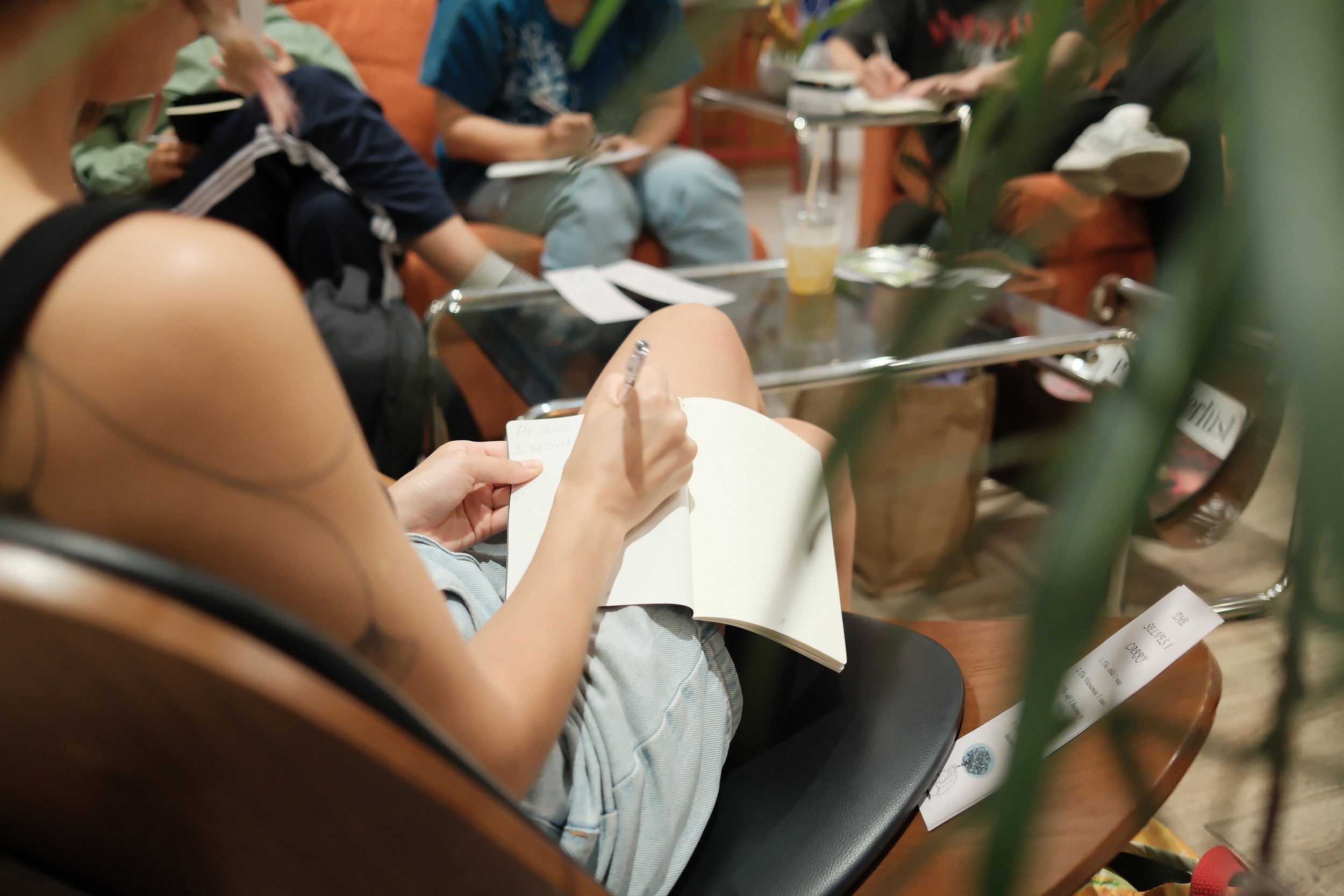
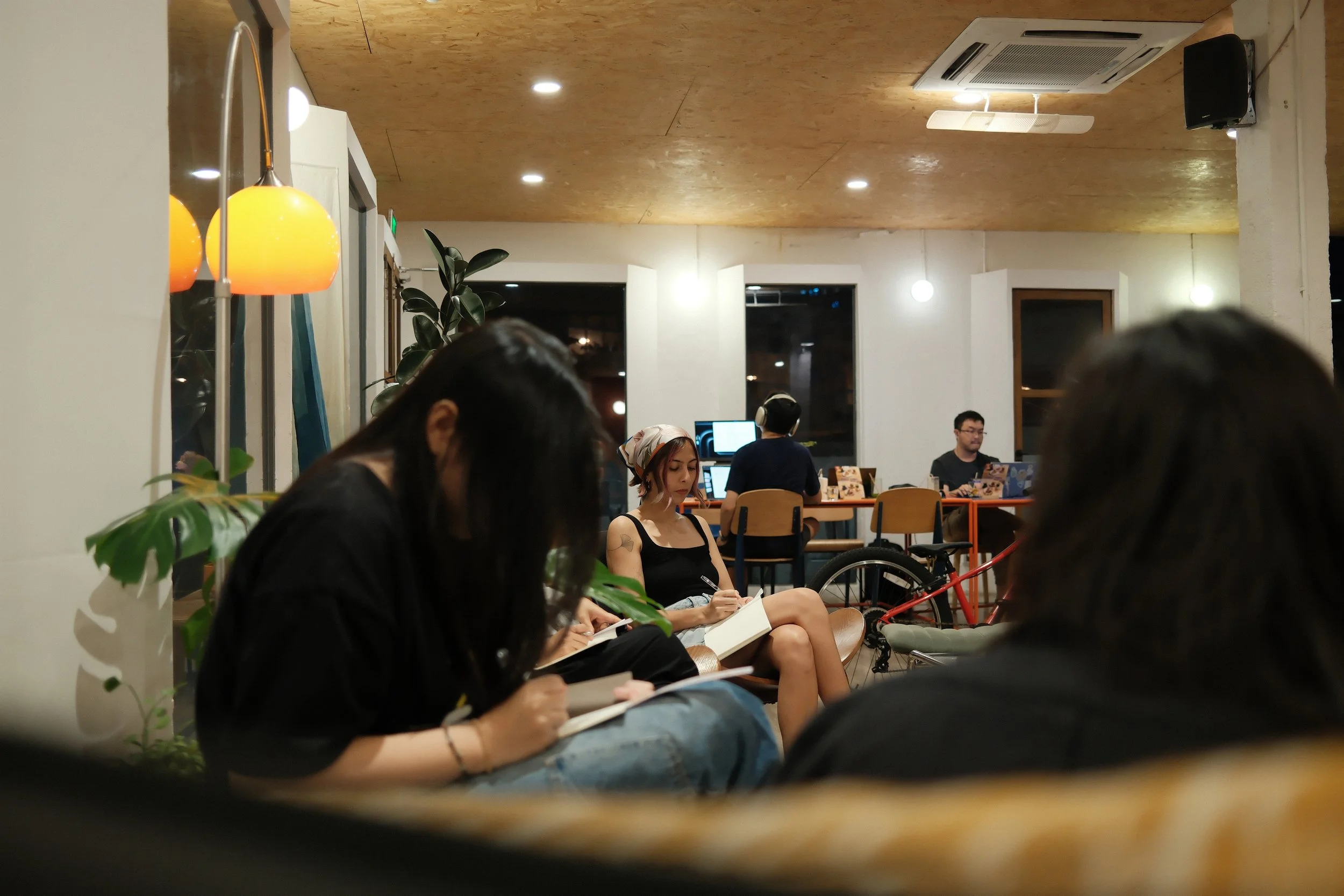
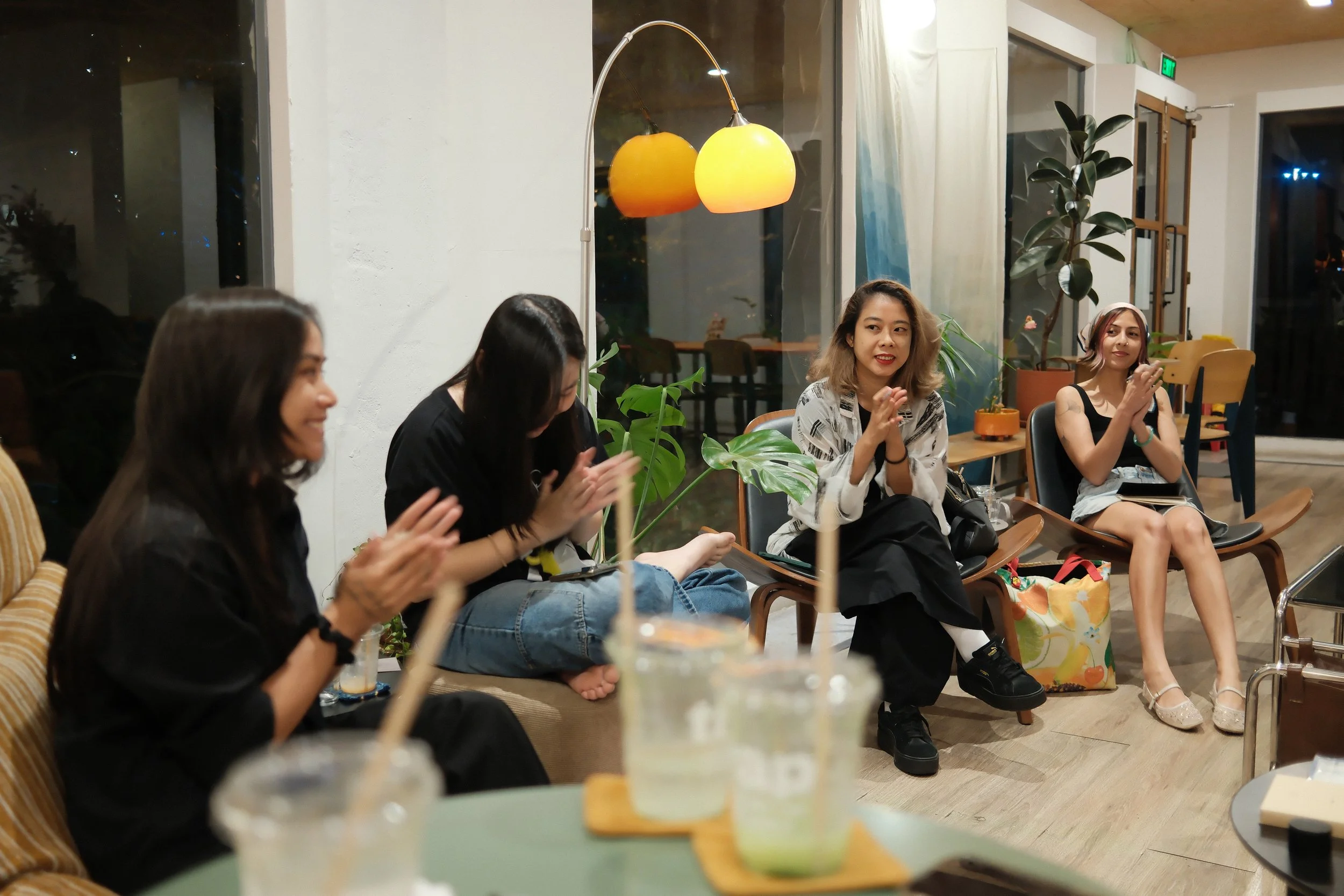
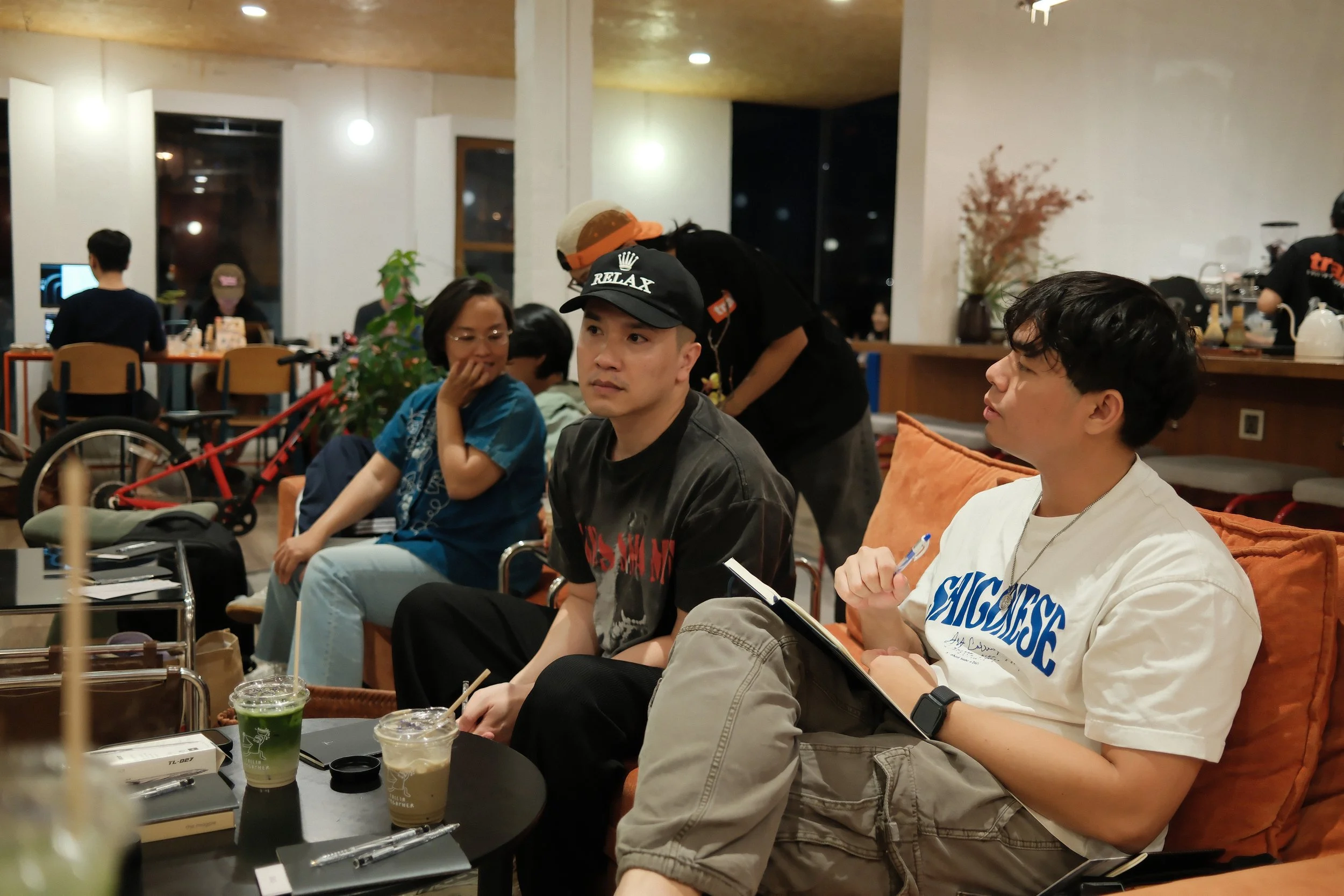
A quiet moment of reflection during The Space to Become, as a participant takes time to journal, reconnect with their past, and make space for the person they are becoming.
Sometimes, the right people find their way into our lives.
When we first came across Amy Minh Hạnh Corey's profile, there was something about her work that made us want to learn more.
It wasn't simply that she was creating opportunities for people to connect. It was the personal story behind her work and the care she seemed to bring to conversations about identity, heritage, and belonging.
Amy was born in Vietnam and adopted into an American family. Her experiences growing up between cultures, returning to Vietnam as an adult, and learning to understand her Vietnamese identity on her own terms were deeply connected to the conversations we'd been having within our Third Culture Vietnam community.
Our stories weren't the same, but I recognized something familiar in the questions she was exploring.
Who are we when we're no longer trying to become the person others expect us to be?
How much of our identity comes from the life we've lived, and how much comes from the life we've been told we should live?
And what happens when we begin making space for the person we're still becoming?
As we got to know Amy, our conversations gradually became more personal. We began learning more about her experiences, her relationship with Vietnam, and why creating these spaces mattered so much to her.
Eventually, those conversations developed into a collaboration.
On October 11, 2026, we came together for The Space to Become, an identity workshop centered on reflection, writing, and the different versions of ourselves we carry.
I've helped organize several identity workshops through Third Culture Vietnam.
But this one felt different.
And I think part of that was because, for once, I wasn't experiencing it only as a founder.
I was experiencing it as a participant, too.
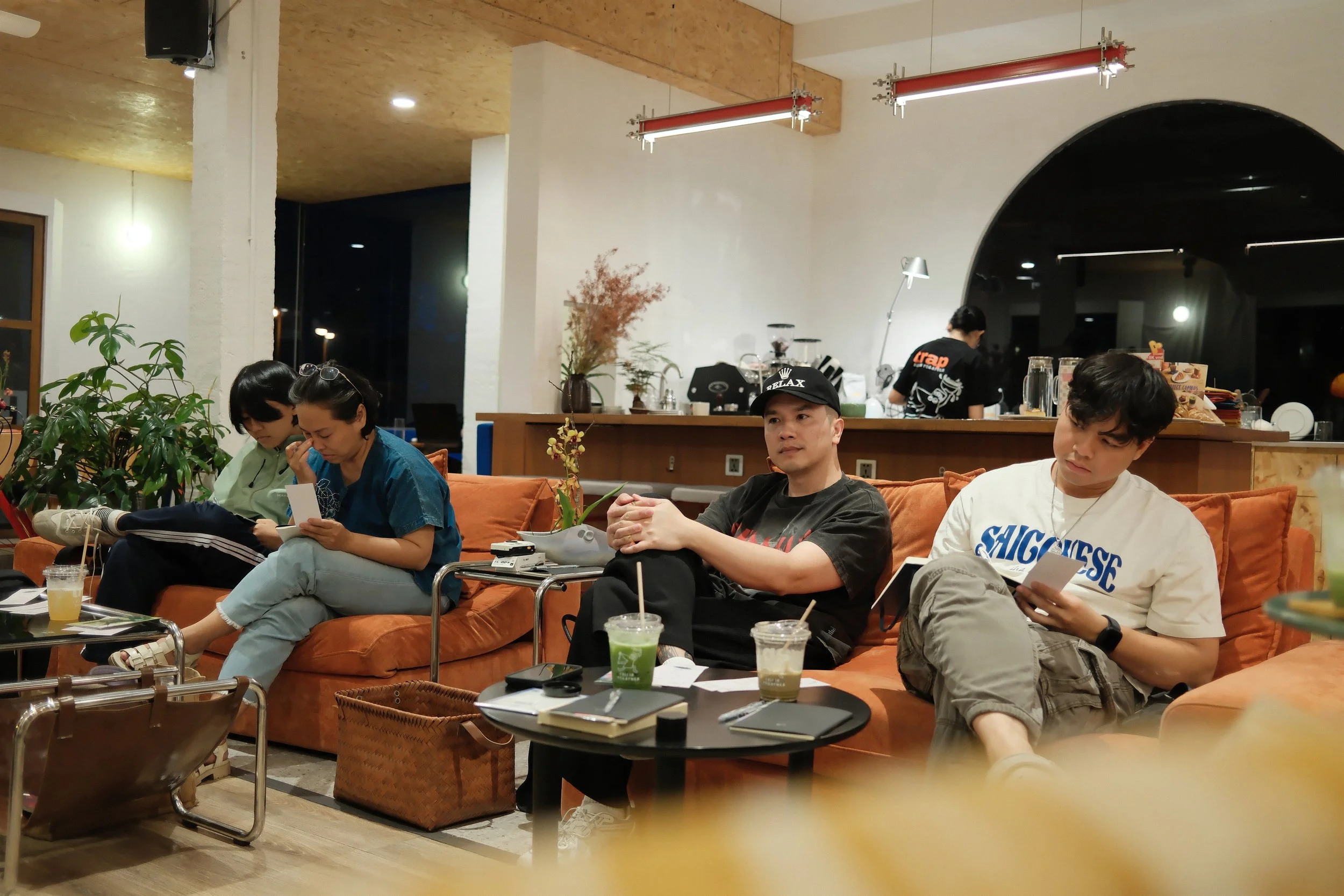
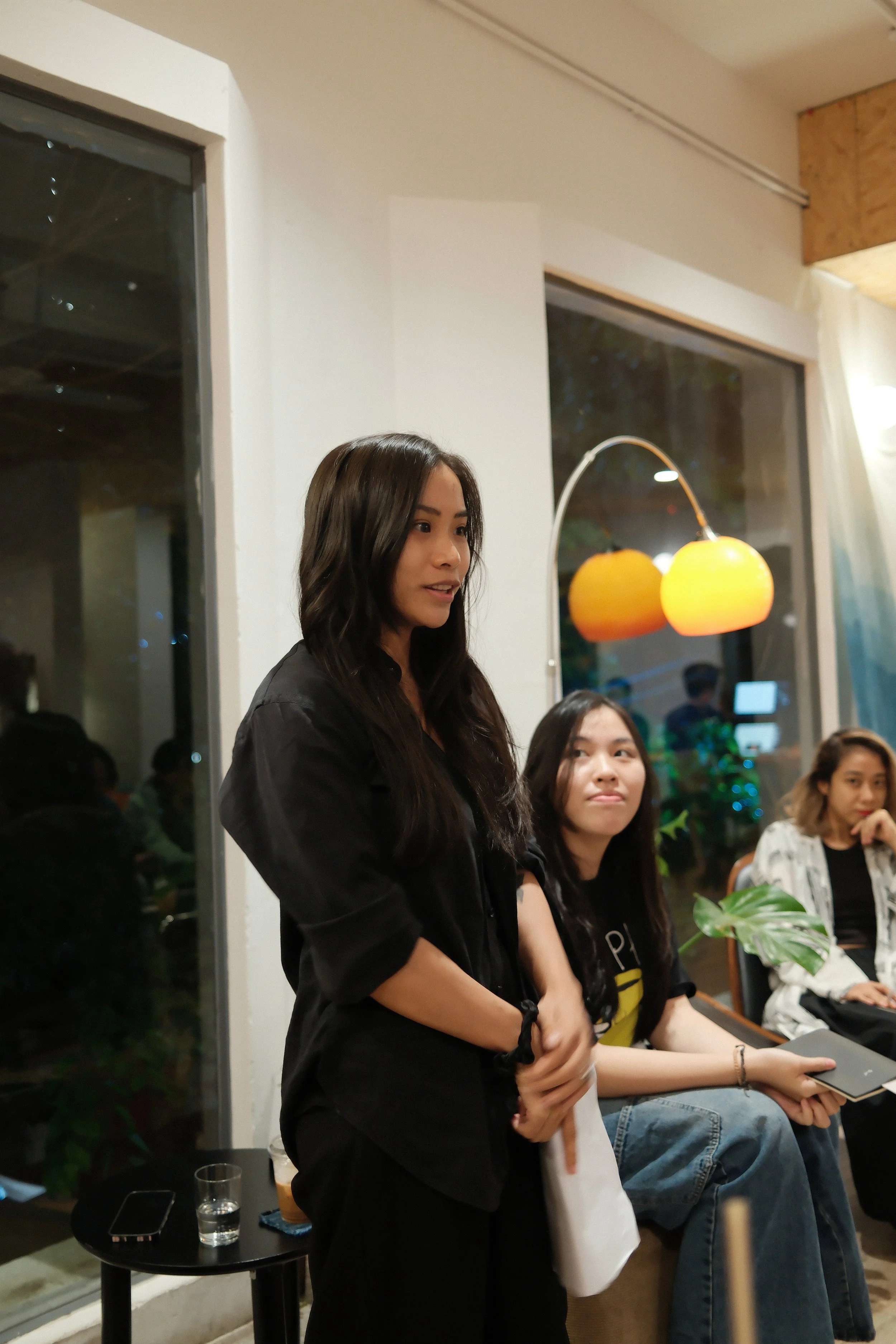
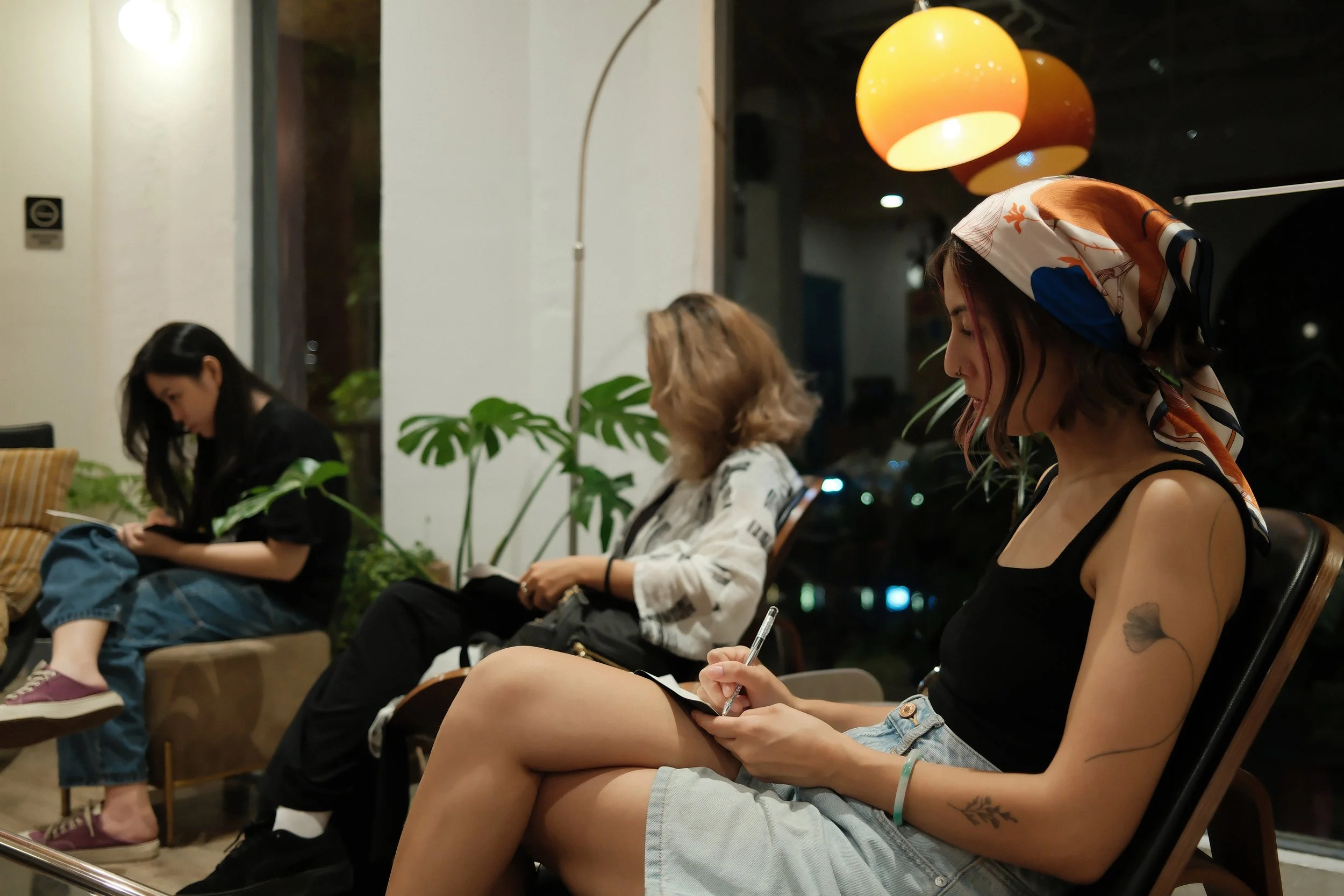
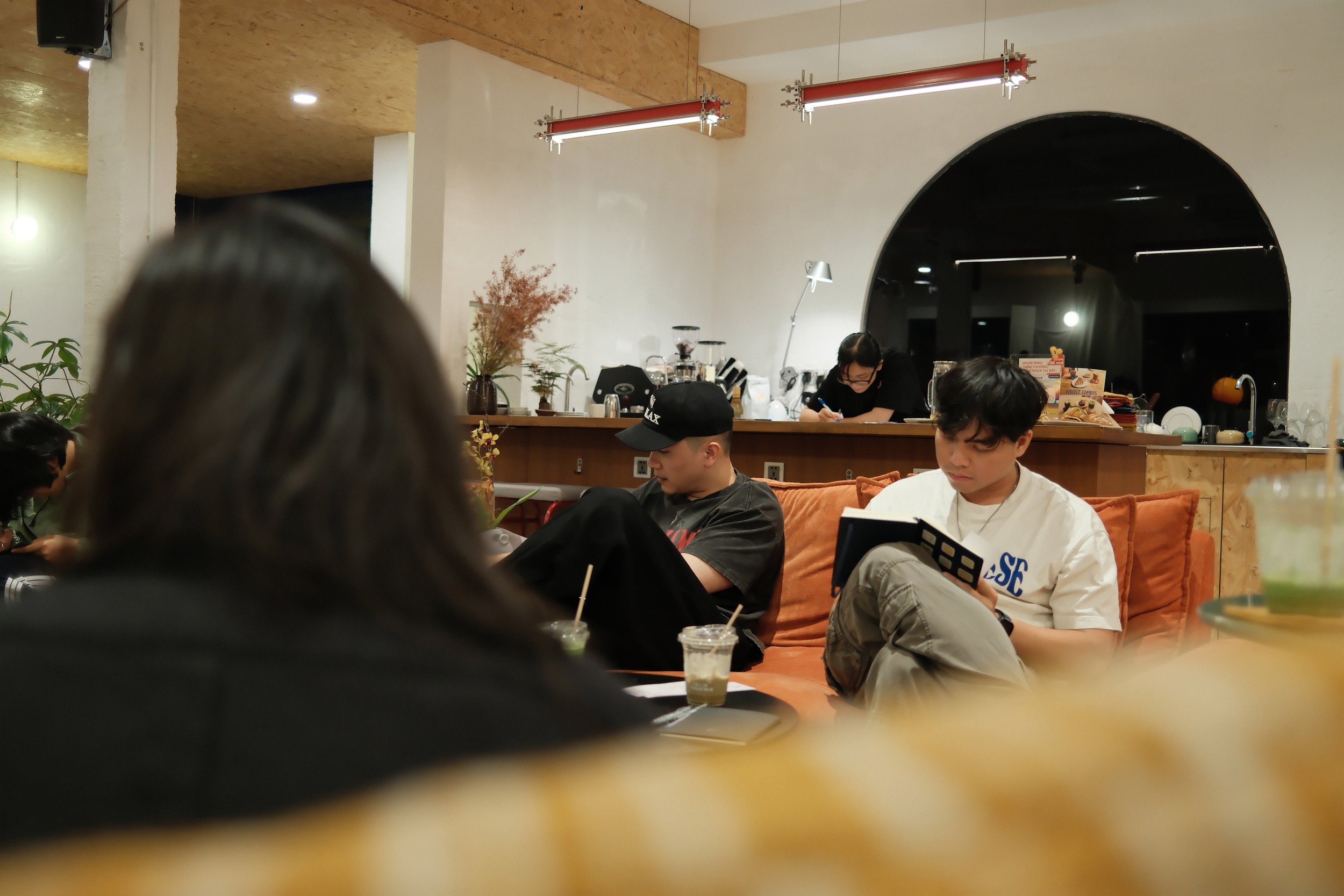
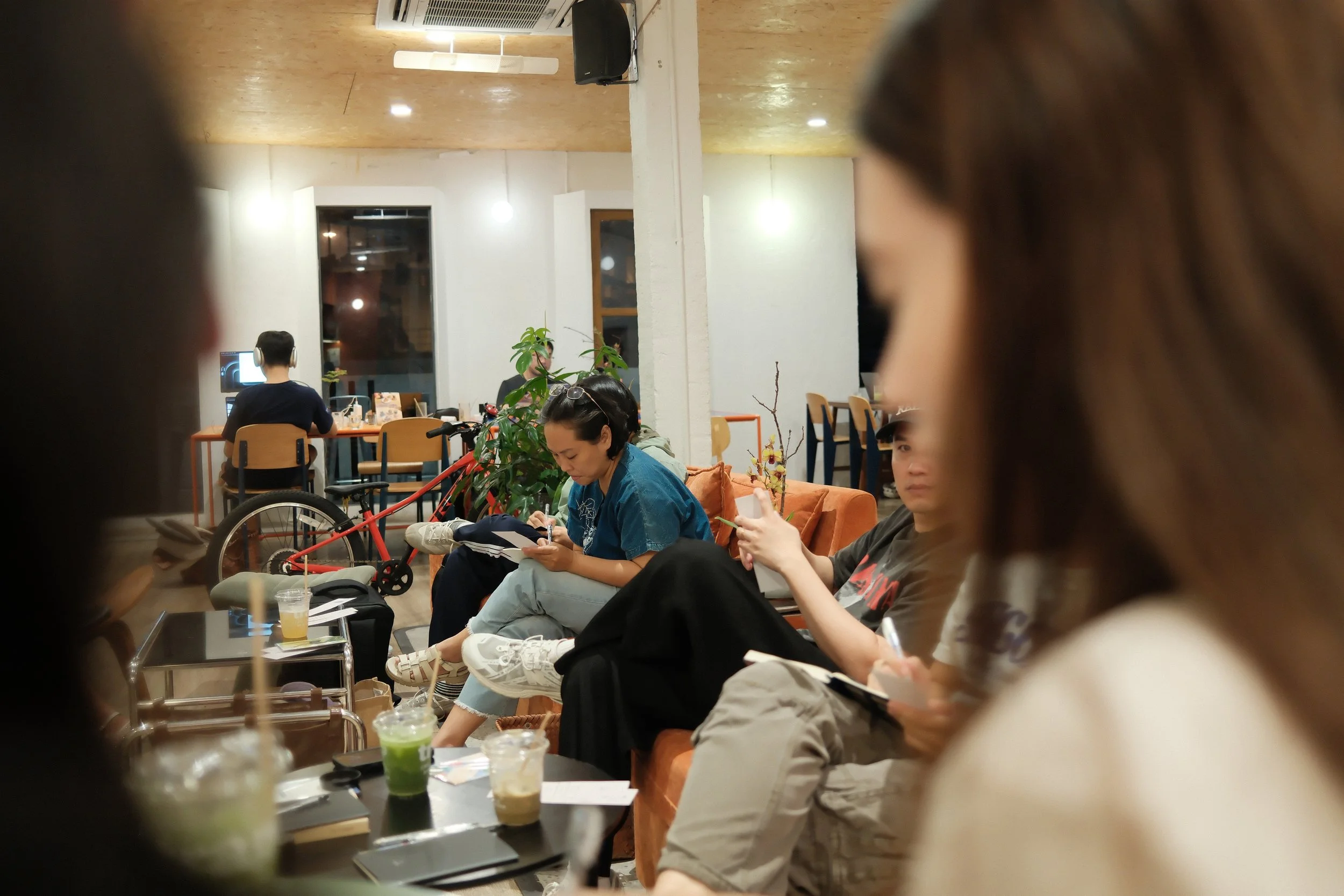
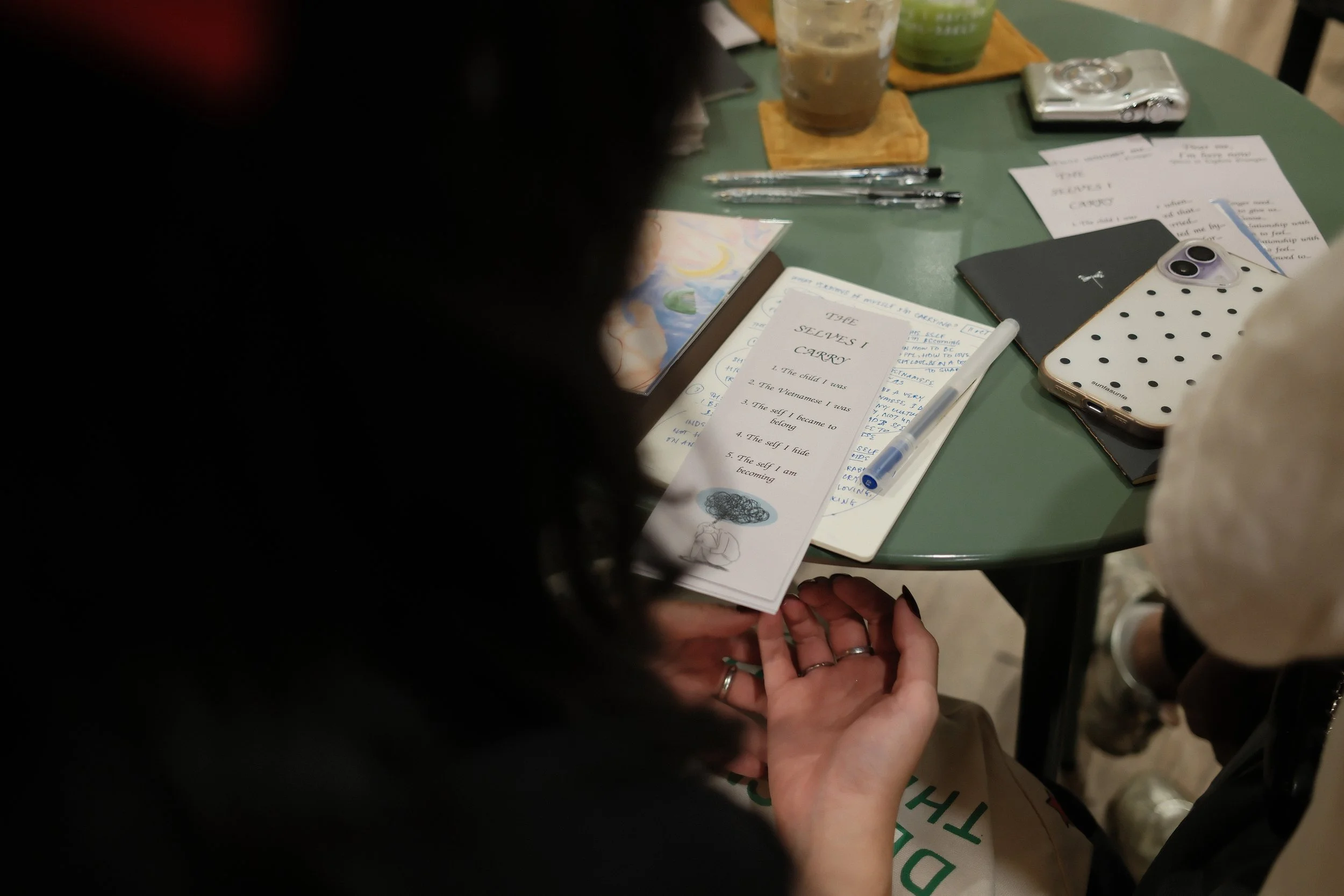
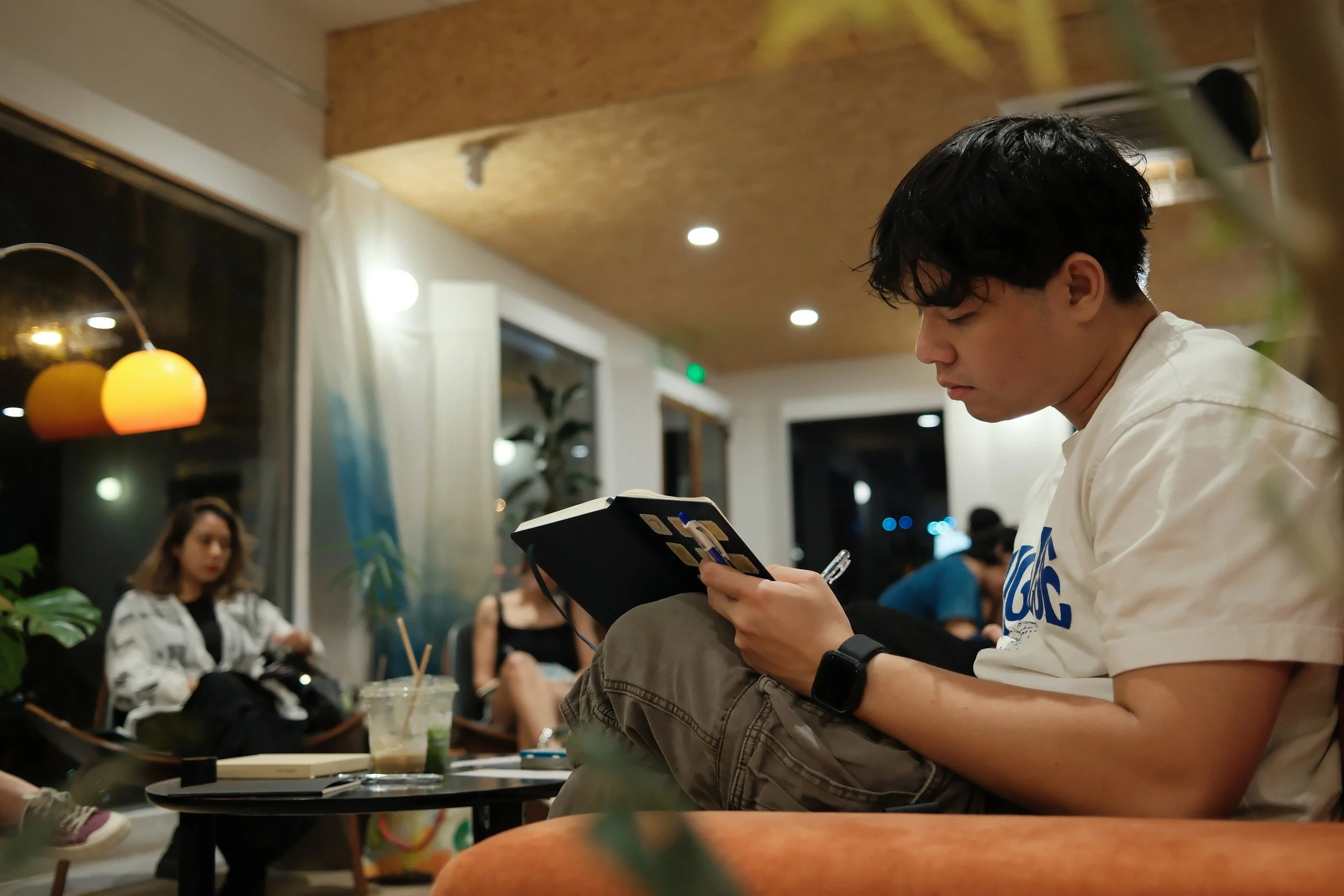
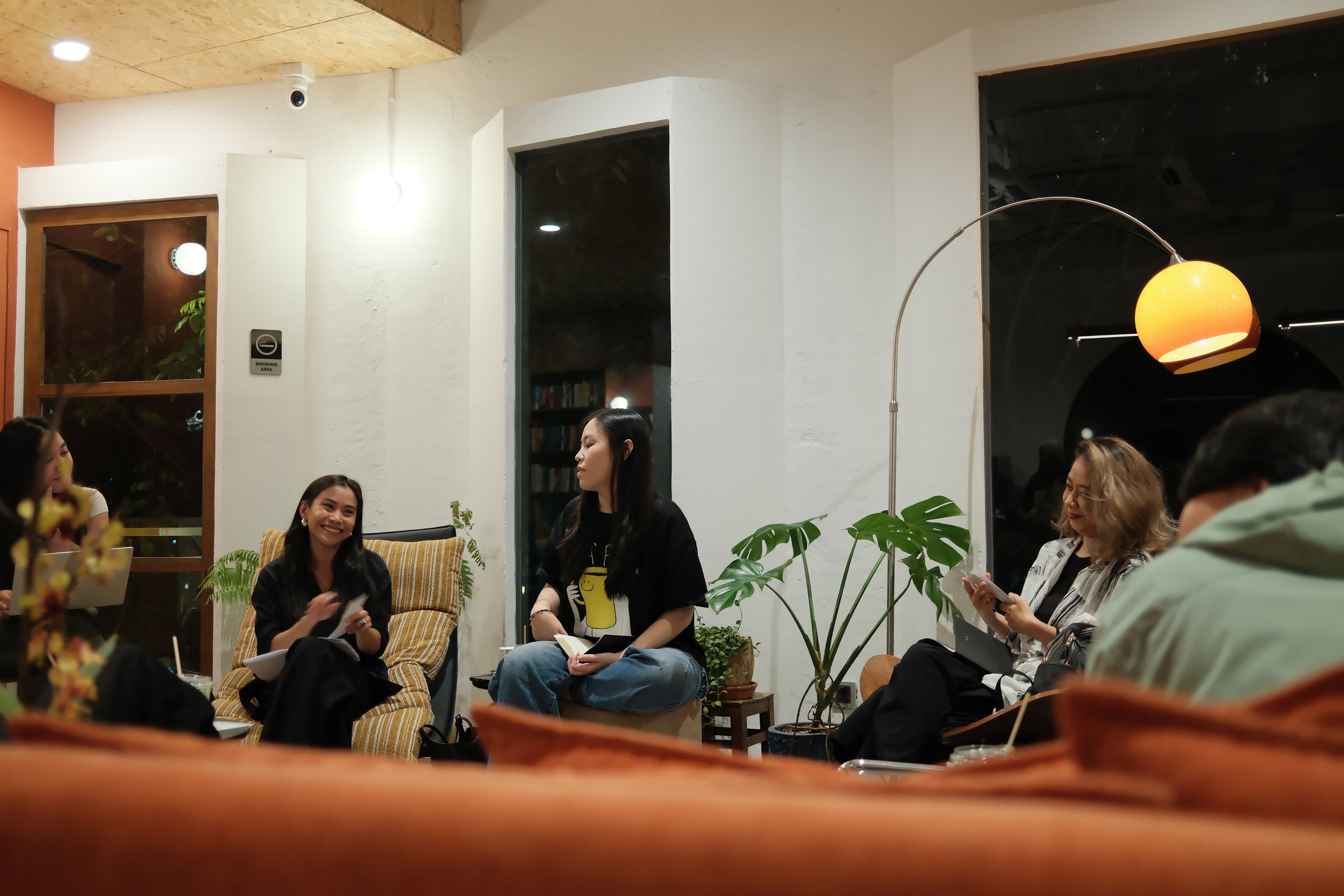
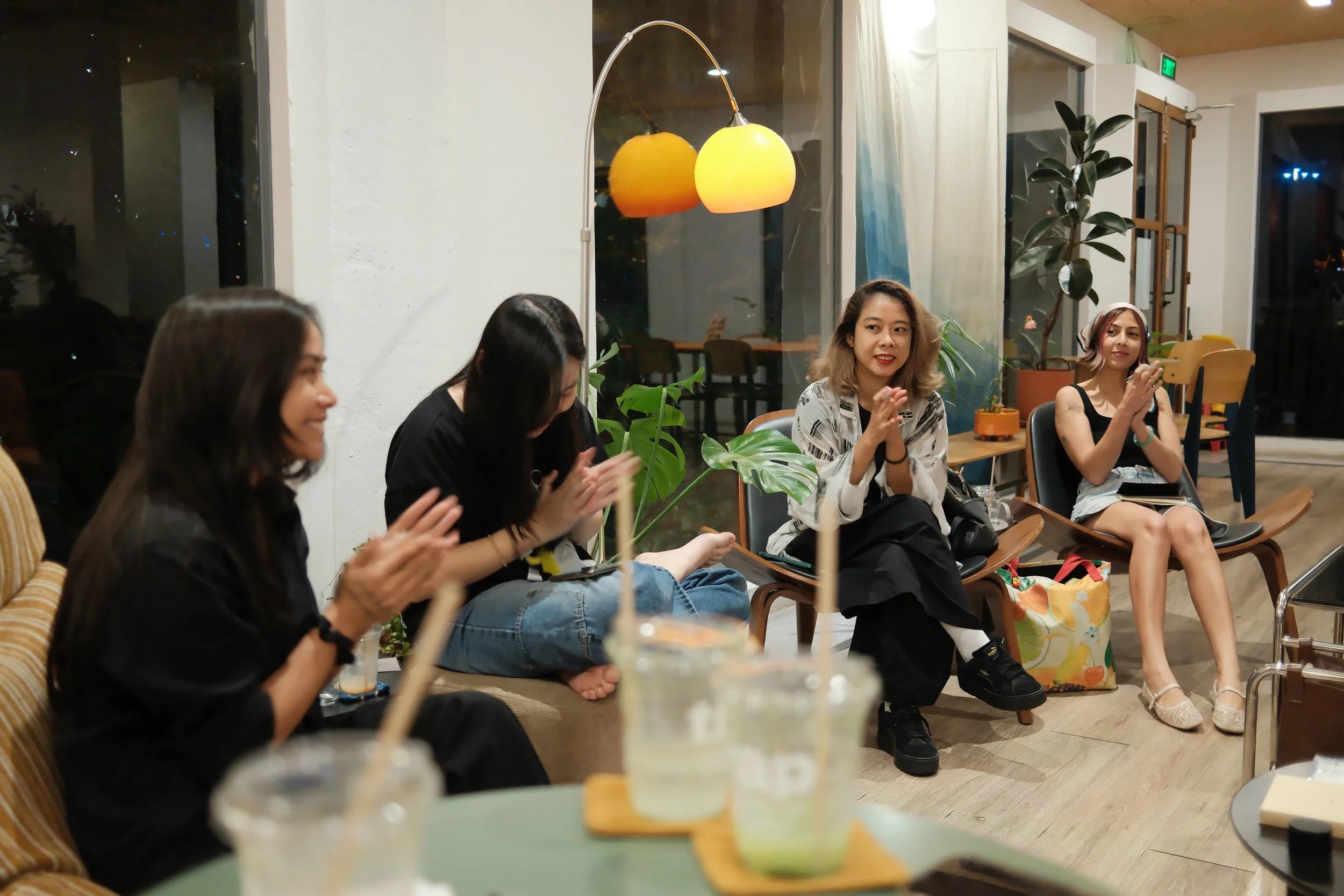
The person we were. The person we are. The person we're becoming.
I think many of us grow up learning how to become different versions of ourselves depending on where we are.
For me, growing up Vietnamese American, there was the person I was at home and the person I tried to be at school.
There was the Vietnamese boy my parents were trying to raise, and the American boy who desperately wanted to fit in.
There were parts of my culture I felt proud of, and others I didn't always appreciate until much later in life.
As I've gotten older, I've begun understanding those experiences differently.
But understanding something doesn't necessarily mean we've finished making sense of it.
And that's what this workshop reminded me.
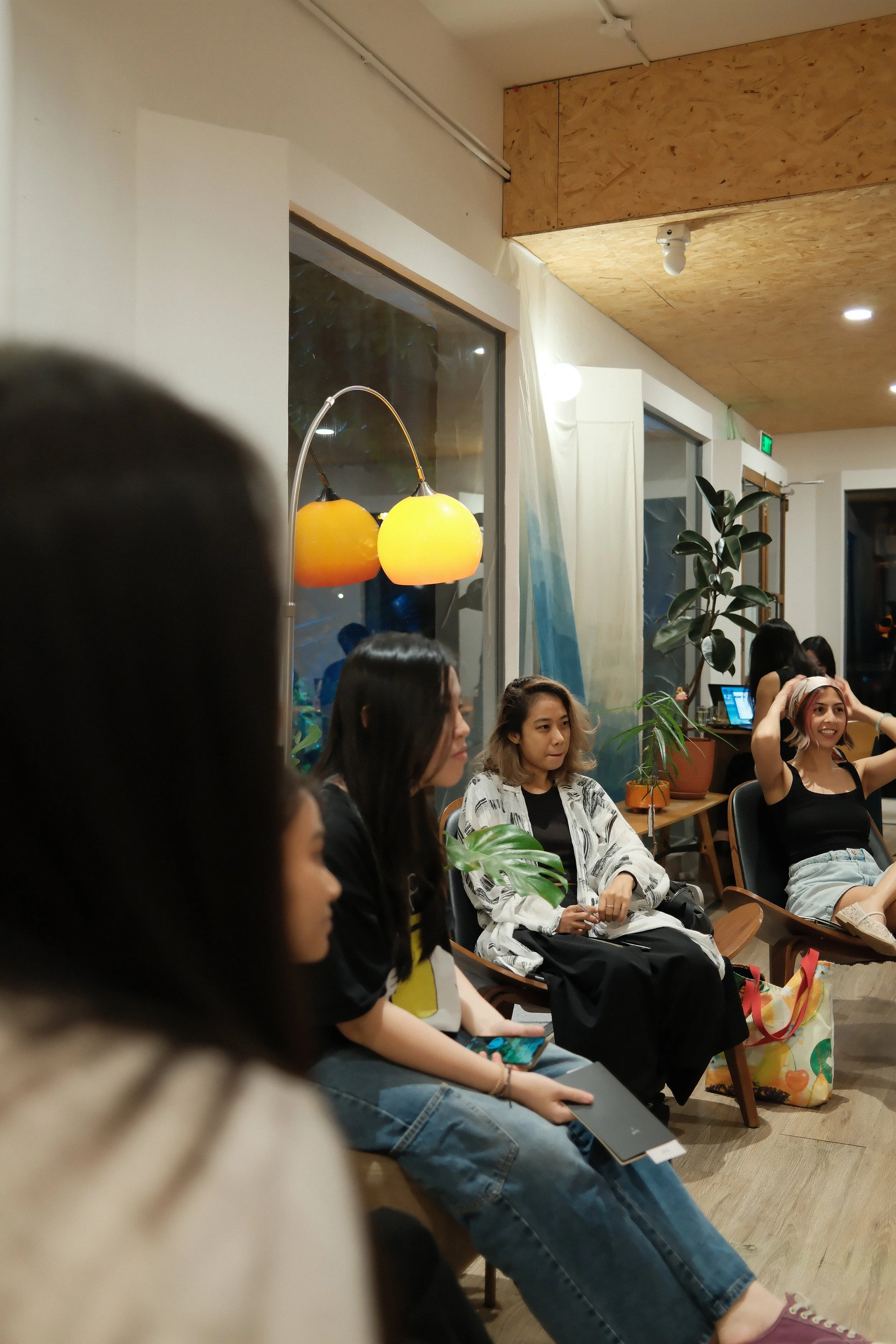
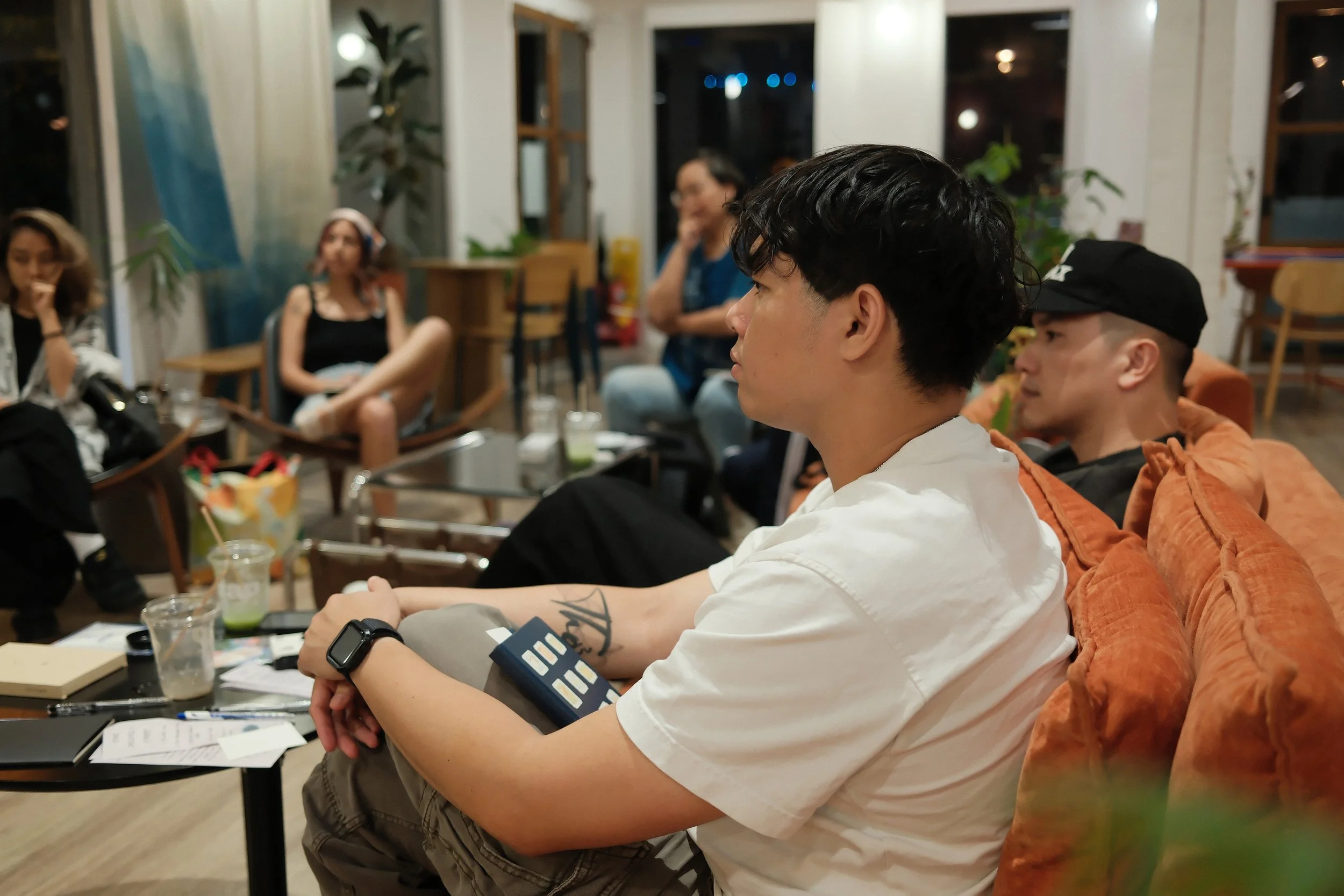
Amy guided us through a series of questions that invited us to reflect on our childhood, the expectations we grew up with, the identities we've carried, and the people we're becoming.
We spent a significant amount of time writing.
Not writing for an audience.
Not writing something that needed to sound beautiful or make sense to anyone else.
Just writing for ourselves.
One of the central exercises invited us to write letters to different versions of who we are.
The person shaped by family, culture, expectations, and the experiences that helped us survive.
And the person we're becoming today, perhaps with a little more freedom to decide what belonging means to us.
What I appreciated most was that we weren't expected to share everything.
Some thoughts could remain on the page.
Some questions didn't need an immediate answer.
And some memories could simply be acknowledged without having to explain them to anyone sitting beside us.
There was something unexpectedly powerful about that.
Because sometimes, when we attend workshops or community events, we feel an unspoken pressure to participate, share, or walk away having learned something profound.
But this experience wasn't about performing vulnerability.
It was about making room for honesty, even when that honesty was something we weren't ready to say out loud.
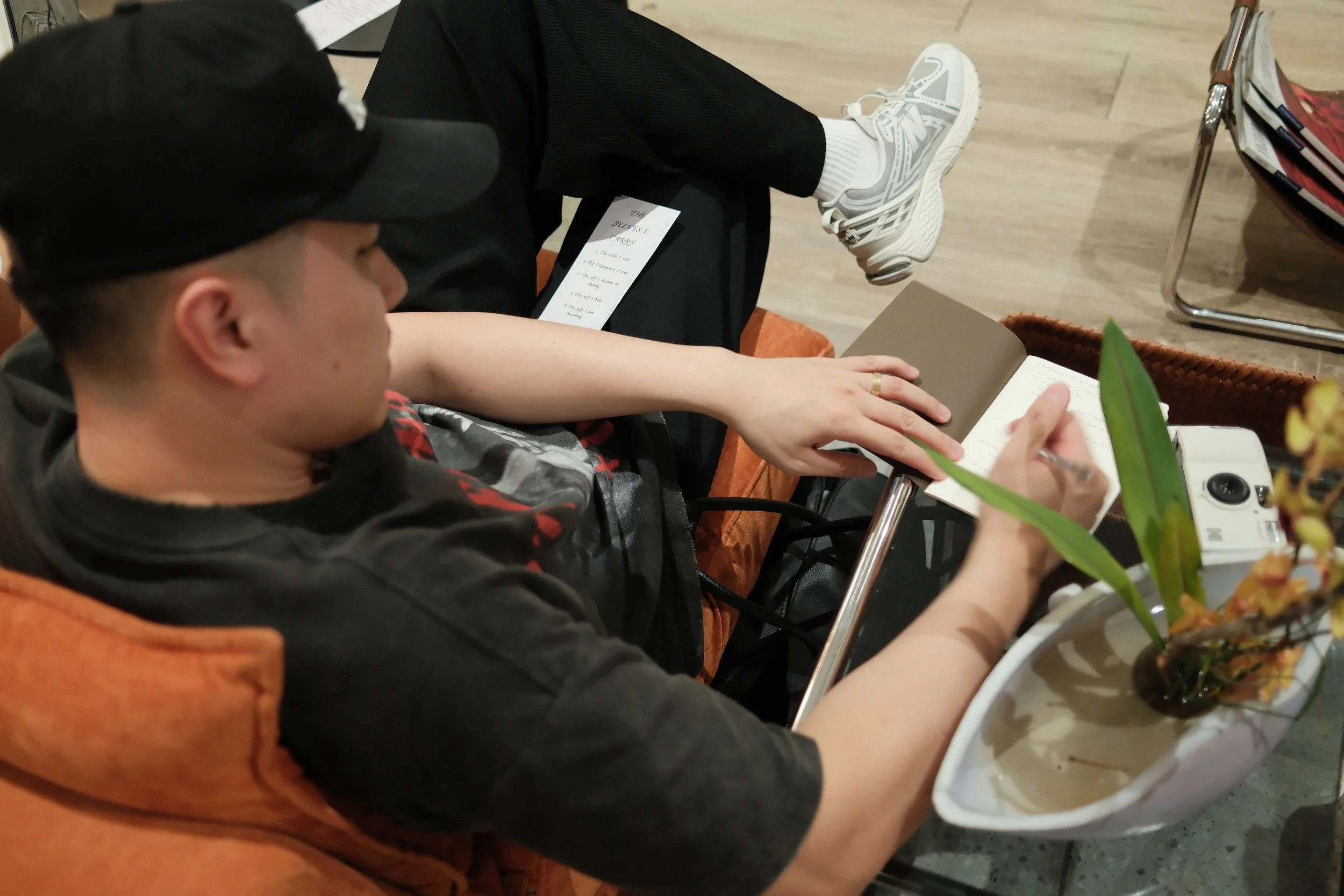
The things we carry without realizing it.
As I sat there writing, I found myself thinking about my childhood.
About my parents.
About the sacrifices they made to give us opportunities they never had.
About the younger version of myself who wanted so badly to fit in.
And about how my understanding of those memories has changed as I've gotten older.
Now that I'm a father, I find myself looking at my parents through a different perspective.
I think about the things they were carrying while trying to raise us.
The pressures of starting over in another country.
The expectations they placed on themselves.
The things they may never have had the opportunity, or the language, to talk about.
I also think about the kind of father I want to become for my son.
And how the things I experienced growing up might shape the way I raise him.
There are parts of my childhood I'm grateful for.
There are parts I wish I understood better.
And there are things I'm still trying to make peace with.
I think that's true for many of us.
Especially those who grew up between cultures, generations, and different expectations of who we were supposed to become.
We can love our families deeply and still have complicated feelings about our upbringing.
We can appreciate our parents' sacrifices while acknowledging the things that hurt.
We can feel connected to our Vietnamese identity and still question what that connection means.
Those feelings don't necessarily cancel one another out.
Maybe they're simply different parts of the same story.
Why conversations about identity and mental health matter.
I've been thinking more about how our cultural experiences shape the way we understand our emotions.
For some of us, growing up in Vietnamese families meant learning the importance of resilience, responsibility, and sacrifice.
Those values can be meaningful sources of strength.
But they can also become complicated when we don't know how to express sadness, uncertainty, or the feeling that we're struggling.
Research among Vietnamese American communities suggests that conversations about mental health can be shaped by family expectations, cultural beliefs, and differences between generations.
A 2020 study published in Community Mental Health Journal explored how Vietnamese Americans perceive mental illness stigma and how those perceptions differ across generations. The researchers highlighted the importance of understanding cultural context when addressing barriers to mental health care. [1]
Another study, published in 2018, surveyed 1,666 Vietnamese American adults about where they would seek support for depressive symptoms. Researchers found that 82.1% would prefer talking to family or close friends, while 78.3% indicated they would seek professional help through a family doctor, mental health provider, or both. [2]
These findings remind me that there isn't one way our community understands emotional well being.
And there isn't one experience that represents all Vietnamese families.
But they do raise an important question.
How do we create more opportunities to talk about the things we've learned to keep to ourselves?
I don't believe every difficult emotion needs to become a public conversation.
And I don't believe everyone needs to share their personal history to feel connected to a community.
Sometimes, having the opportunity to reflect privately is just as meaningful.
That's one reason the writing exercises in Amy's workshop stayed with me.
They allowed us to explore questions without needing to turn those questions into a story for someone else.
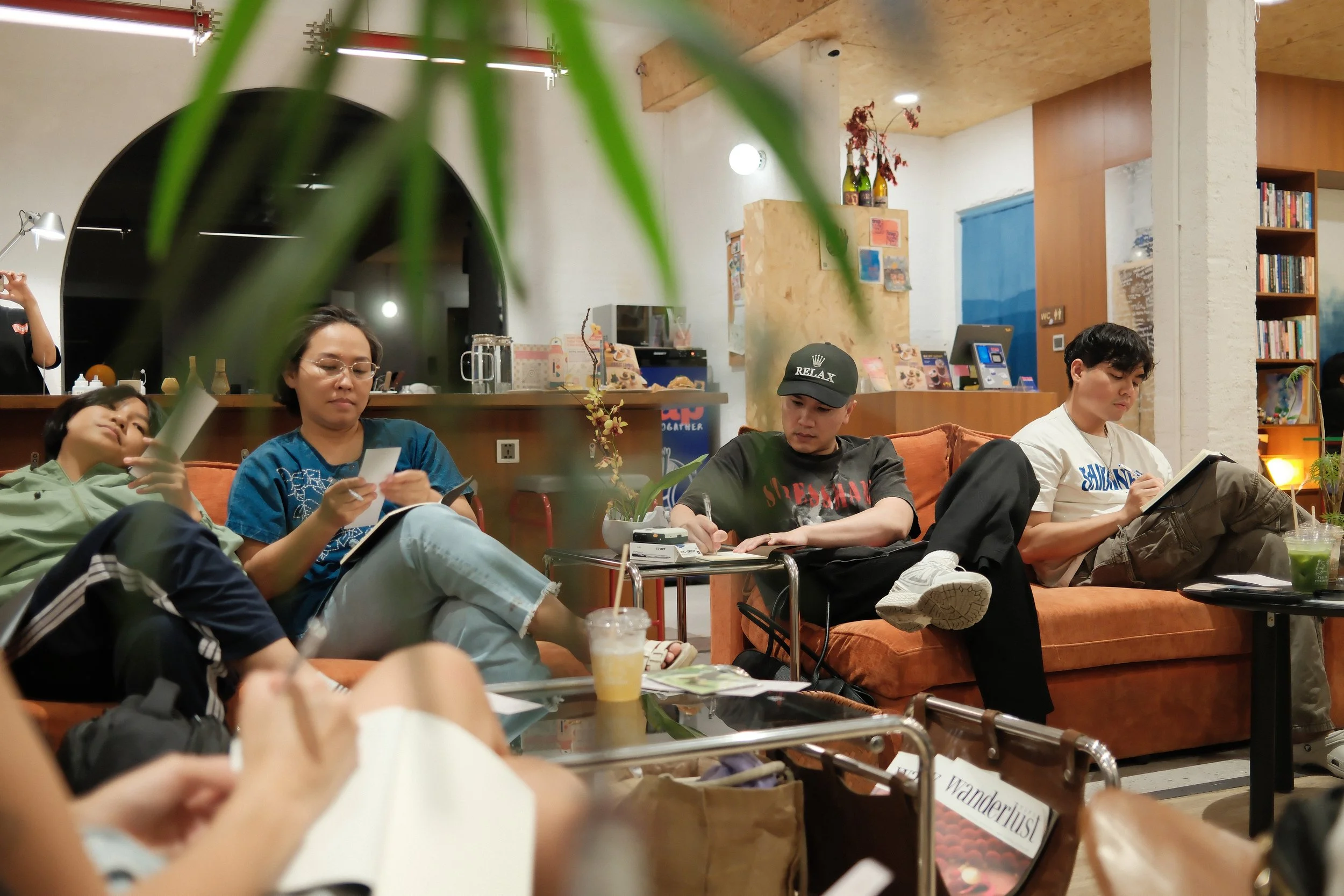
Writing things down doesn't mean figuring them out.
There's a growing body of research examining expressive writing and journaling as ways to process thoughts and emotions.
A 2023 review published in the British Journal of Clinical Psychology examined 31 experimental studies involving 4,012 participants. Researchers found that expressive writing was associated with small but statistically significant reductions in symptoms of depression, anxiety, and stress, with benefits sometimes emerging after a delay. [3]
However, research hasn't always reached the same conclusions.
A separate 2018 review of 39 randomized controlled trials found that brief expressive writing did not produce significant long term reductions in depressive symptoms among the populations studied. [4]
These findings are an important reminder that writing isn't a guaranteed solution, and a reflective workshop isn't a substitute for professional mental health care.
But what interested me wasn't whether writing could solve something.
It was the opportunity to slow down long enough to notice what I was feeling.
In everyday life, we're constantly moving.
Working.
Planning.
Taking care of responsibilities.
Thinking about what's next.
As a founder, I'm often thinking about the next project, the next experience, and the next opportunity to create something meaningful for our community.
And now, as a father, there's another part of my life that deserves my attention.
Sometimes I forget to make that same space for myself.
Sitting there with my journal, I realized how rarely I give myself permission to do nothing except reflect.
Not to create content.
Not to develop an idea.
Not to solve a problem.
Just to sit with a question.
And maybe that was what I needed more than I realized.
The care behind creating space.
Something else that stayed with me was watching Amy facilitate the workshop.
Having worked with different hosts, artists, and community collaborators, I've learned that creating a meaningful experience requires more than a thoughtful concept.
It requires care.
The way someone welcomes participants.
The questions they choose to ask.
The silence they allow.
And the understanding that not everyone is going to experience the same activity in the same way.
As we worked with Amy, I could see how personal this subject was to her.
Her own experiences informed the way she approached the workshop, but she didn't make the experience only about herself.
She made room for everyone else's story.
There was time to write, time to sit quietly with our thoughts, and time to share when we felt comfortable.
I appreciated that balance.
Because creating a space for reflection isn't about asking people to reveal their most personal experiences.
It's about respecting that everyone arrives with a different history, different boundaries, and different things they're ready to explore.
As a founder, I found myself paying attention to how thoughtfully the experience had been created.
As a participant, I found myself grateful that I could simply be there.
I didn't need to facilitate the conversation.
I didn't need to have something meaningful to say.
I could just listen, write, and reflect.
And that was enough.
I left with more questions than answers.
I've attended and helped create workshops where I walked away feeling inspired, energized, or excited to put something new into practice.
This wasn't quite that experience.
This one felt heavier.
Not necessarily in a bad way.
But in a way that stayed with me after I left.
I found myself thinking about questions I hadn't considered in a long time.
About the younger version of myself.
About the things I've learned to accept.
About the relationships that continue to shape who I am.
And about the person I want to become, not only as a founder, but as a husband, a father, and simply as myself.
I didn't leave feeling like I had discovered some final truth about my identity.
If anything, I left with more questions than I arrived with.
And the more I thought about it, the more I began to believe that was the point.
Maybe becoming isn't about finding all the answers. Maybe it's about becoming more comfortable with the questions we're still carrying.
I think we sometimes approach identity as something we need to resolve.
As if one day we'll finally understand who we are, where we belong, and how every part of our past fits together.
But I'm beginning to think identity doesn't work that way.
We continue changing.
Our relationships change.
Our understanding of our parents changes.
The meaning of home changes.
And the things that once felt certain can begin to feel different as we enter new chapters of our lives.
Perhaps we don't need to become one final version of ourselves.
Perhaps we simply need to make room for the different versions we've been along the way.
What this means for Third Culture Vietnam.
When I started Third Culture Vietnam, I wanted to create opportunities for people to reconnect with Vietnam, their heritage, and one another.
But experiences like The Space to Become remind me that connection doesn't always require traveling somewhere new.
Sometimes it begins by looking inward.
Sometimes it's sitting in a room with people whose stories are different from yours, but whose questions feel familiar.
And sometimes it's simply having the time and space to write something down that you've been carrying for years.
As we continue developing our community workshops, storytelling, and creative gatherings, I want us to remember that meaningful experiences don't always need to produce immediate answers.
They don't always need to feel uplifting.
And they certainly don't need to promise that someone will walk away changed.
Sometimes, the most meaningful thing we can offer is an opportunity for people to pause, reflect, and feel respected in whatever they're experiencing.
That's what I appreciated about collaborating with Amy.
She reminded me that creating space is not the same as trying to change someone.
It's about allowing people to meet themselves wherever they are.
And I think that's something worth carrying into everything we create.
A question to take home.
I still have my reflections from the workshop.
Some of what I wrote makes sense to me now.
Some of it doesn't.
And there are questions I know I'll return to as I continue growing into different parts of my life.
But I'm learning that I don't need to rush those answers.
I can be grateful for the person I was, while still questioning the things that shaped me.
I can appreciate the person I am today, while recognizing there's more I want to learn.
And I can look forward to the person I'm becoming without needing to know exactly who that will be.
So perhaps I'll leave you with a question similar to the ones we explored together:
What part of yourself have you been carrying for so long that you've forgotten to ask whether it still belongs to the person you're becoming?
You don't need to answer it today.
Maybe just make a little space for it.
And see where it takes you.
Thank you to Amy Minh Hạnh Corey for trusting us to collaborate on something so personal, and to everyone who joined us and brought their own stories, reflections, and curiosity into the room.
With gratitude,
Dao Huynh
Founder, Third Culture Vietnam
Read More and References
For those interested in exploring the research behind identity, emotional well being, and reflective writing, we've included several studies that helped inform this article.
[1] Mental Illness Public Stigma and Generational Differences among Vietnamese Americans (2020)
Do, M., McCleary, J., Nguyen, D., & Winfrey, K.
Community Mental Health Journal.
Explores how Vietnamese Americans understand mental illness stigma and how those perceptions can differ across generations.
[2] Preferences for Depression Help Seeking among Vietnamese American Adults (2018)
Kim Mozeleski, J. E., et al.
Community Mental Health Journal.
Examines how 1,666 Vietnamese American adults preferred to seek support for depressive symptoms, including family, friends, medical professionals, and spiritual resources.
[3] The Delayed, Durable Effect of Expressive Writing on Depression, Anxiety and Stress (2023)
Guo, L.
British Journal of Clinical Psychology.
A review of 31 experimental studies examining the relationship between expressive writing and changes in symptoms of depression, anxiety, and stress.
[4] Effects of Expressive Writing on Depressive Symptoms: A Meta Analysis (2018)
Reinhold, M., Bürkner, P. C., & Holling, H.
Clinical Psychology: Science and Practice.
A review of 39 randomized controlled trials that found no significant long term reduction in depressive symptoms from brief expressive writing, highlighting the limitations of this approach.
Editor's note: These studies provide broader context for conversations about mental health and reflection. They do not evaluate The Space to Become workshop, which was designed as a space for personal reflection and community connection rather than clinical treatment.
